


Jazz Drum Kit article
Natal Jazz Drum Kit: A Complete Guide
A proper jazz drum kit combines smaller drums, high tuning, and quality cymbals for the responsive, articulate tones essential to jazz ensemble playing.
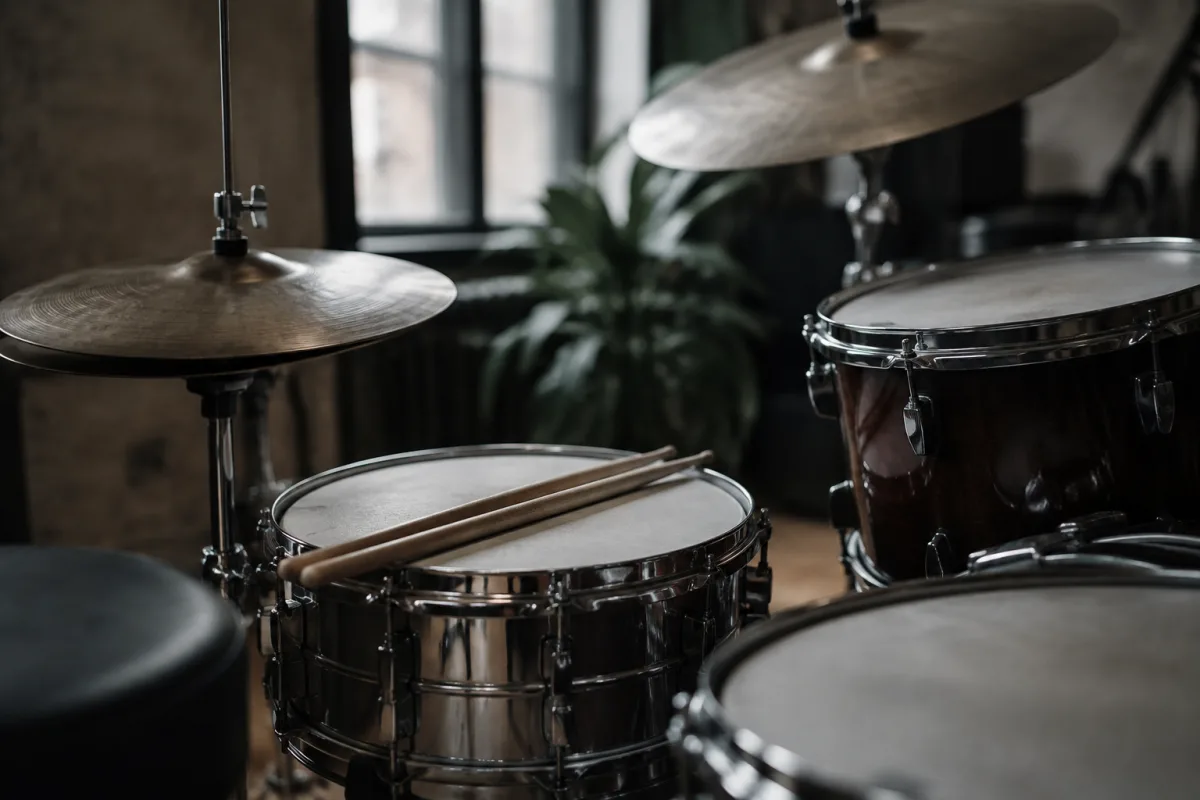
The jazz drum kit represents the heartbeat of jazz music—a finely-tuned ensemble of percussion instruments designed for responsiveness, control, and the specific tonal demands of jazz improvisation. Jazz drummers prize their instruments' ability to express subtle dynamics, support walking bass lines, and respond instantly to musical nuance. This guide explores the essential components of a jazz drum kit, what distinguishes jazz setups from other percussion configurations, and how to select or optimise drums for jazz performance.
Understanding the Jazz Drum Kit
A traditional jazz drum kit differs fundamentally from rock or pop configurations in size, tuning philosophy, and sonic approach. Jazz drum kits emphasise clarity, quick decay, and tonal subtlety rather than volume and sustain. Each component of a jazz drum kit is carefully selected to support the intimate, conversational nature of jazz ensemble playing.
Jazz drummers approach a jazz drum kit like instrumentalists approach their horns—with deep personal relationship and meticulous attention to tone. The jazz drum kit becomes an extension of the drummer's musical voice, capable of expressing complex rhythmic ideas and responding to bandmates' playing with immediate precision.
Essential Components of a Jazz Drum Kit
A typical jazz drum kit comprises specific elements:
- Bass drum: Smaller diameter (18–20 inches) than rock kits, tuned high and tight for definition
- Snare drum: Often 13 or 14 inches, tuned high with sensitive snares for articulate response
- Tom-toms: Typically 10 and 13 or 12 and 16 inches, tuned high for melodic character
- Hi-hat cymbals: Generally 13 or 14 inches, chosen for crisp definition and quick response
- Ride cymbal: 20–22 inches, often with pronounced bell for cutting through ensemble sound
- Crash cymbals: 16–18 inches for accents; often one or two depending on preference
A jazz drum kit configuration emphasises versatility—each instrument must support rhythmic interaction, dynamic support, and musical conversation. The kit should never overwhelm ensemble playing or diminish the prominence of horns.
Drums and Tuning for Jazz
| Component | Typical Size | Jazz Tuning Approach | Tone Characteristic |
|---|---|---|---|
| Bass drum | 18–20" | High and tight | Punchy, quick decay, defined |
| Snare drum | 13–14" | Very high, tight snares | Crisp, articulate, responsive |
| High tom | 10" | High pitch | Bright, musical, melodic |
| Low tom | 13–16" | Medium-high pitch | Warm, rounded, resonant |
Cymbal Selection for Jazz
Cymbal choice dramatically affects jazz drum kit character. Jazz cymbal preferences favour dark, complex tone with subtle shimmer over modern brightness. Ride cymbals should feature pronounced bells providing penetrating tone through ensemble sound. Hi-hat cymbals need crisp articulation and quick response—heavyweight jazz hi-hats excel here. Crash cymbals should be medium to thin, offering quick decay avoiding sustain that obscures subsequent playing.
Quality cymbal manufacturers offer specific jazz series—Zildjian K series, Paiste Dark Energy, and Sabian Vault models represent traditional jazz choices. These cymbals cost considerably more than student models but reward jazz drummers with tonal sophistication and expressiveness essential for professional playing.
Setting Up Your Jazz Drum Kit
Ergonomic positioning influences comfort and technique development on a jazz drum kit. Position drums close together, allowing quick transitions between surfaces. The snare should sit at a comfortable height for precise stick control. Rack tom positioning should enable natural reach without awkward arm angles. Bass drum placement affects footwork comfort and pedal control.
Proper tuning of a jazz drum kit requires patience and ear training. Start with clear pitches on each drum, ensuring they're in musical relationships (bass drum and high tom might be an octave apart, for example). Listen critically to how drums resonate together—a well-tuned jazz drum kit sounds cohesive rather than random.
Playing Technique on a Jazz Drum Kit
Jazz drum kit technique emphasises responsiveness and control over volume. Lighter touch allows more expressive dynamic range—jazz drumming works at lower dynamic levels than rock playing, with brushes or mallets complementing sticks. The jazz drummer maintains constant listening, adjusting intensity and interaction based on bandmate dynamics.
Proper stick technique on a jazz drum kit enables subtlety. Focus on wrist motion rather than arm strength, allowing precise control over dynamics and timbre. Experiment with different striking zones on cymbals and drums—edge, bell, centre positioning creates varied tones from identical instruments.
Maintenance and Longevity
Your jazz drum kit deserves regular maintenance to ensure optimal performance. Wipe down drums and cymbals after playing, removing moisture and hand oils. Replace drum heads as they wear—a worn head compromises tuning stability and tonal character. Clean tension rods and lugs occasionally, ensuring smooth operation. Store your jazz drum kit in a stable environment, protecting it from extreme temperature and humidity changes.
Have your jazz drum kit professionally serviced periodically. A qualified drum technician can diagnose bearing edge issues, ensure hardware functions smoothly, and advise on optimal tuning strategies unique to your specific instruments.
Conclusion
A properly configured jazz drum kit provides the conversational foundation for sophisticated ensemble playing. By selecting appropriately-sized instruments, prioritising tonal subtlety over volume, and maintaining meticulous tuning and maintenance, you ensure your jazz drum kit remains responsive, musical, and capable of expressing the full range of jazz rhythmic ideas. Whether playing intimate small groups or larger ensembles, investing in quality instruments and understanding jazz drum kit principles yields musical rewards for decades.




Comments