


Glockenspiel Wooden article
Glockenspiel Wooden for Beginners: A Complete Guide
Wooden glockenspiels reward beginners immediately with clear, pleasant tones. Discover why they're ideal for learning percussion, what to buy, and how to progress.
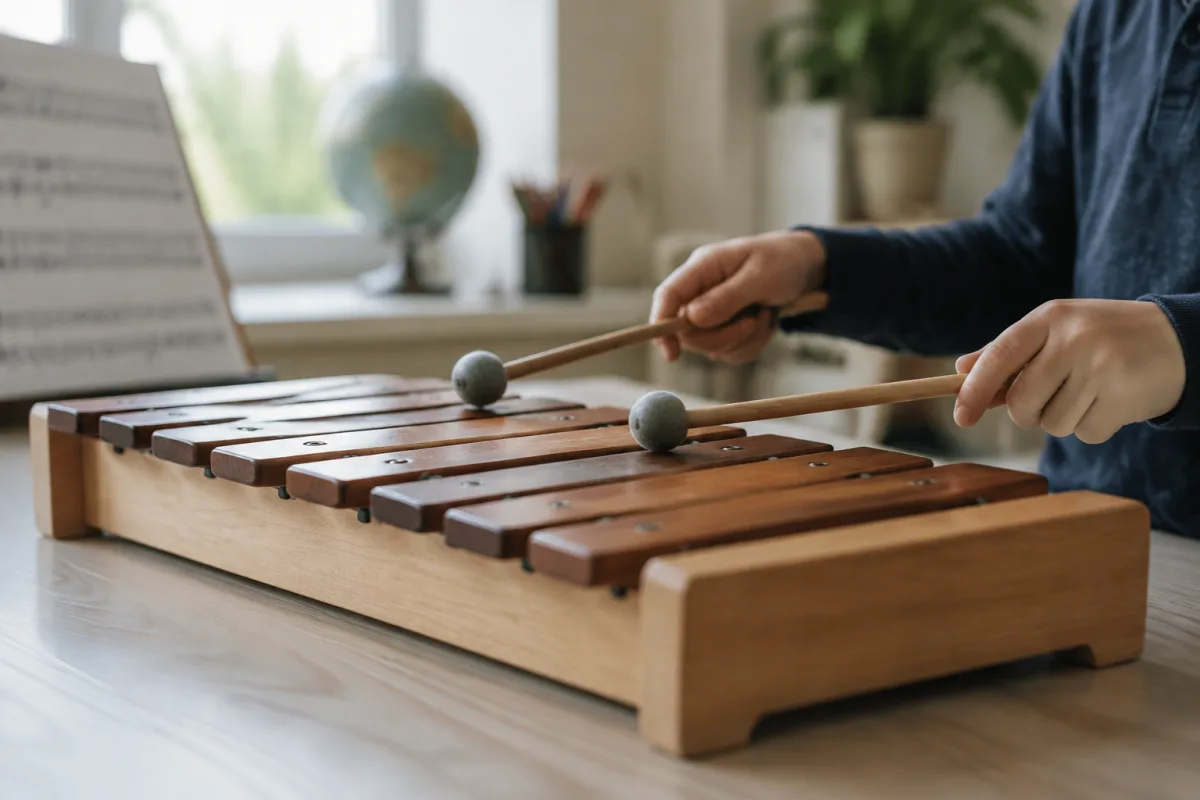
The wooden glockenspiel represents a wonderfully accessible entry point into percussion playing. Unlike pitched percussion instruments requiring years of training before producing acceptable sounds, the glockenspiel rewards beginners immediately—play a mallet against the bars and hear clear, pleasant pitches. If you're considering learning a percussion instrument but worried about the learning curve or want something musically satisfying from day one, a wooden glockenspiel offers encouragement and genuine musical reward that sustains beginner motivation.
Understanding the Wooden Glockenspiel
A glockenspiel is a percussion instrument consisting of wooden or metal bars arranged in musical order, with mallets struck against them to produce pitched sounds. The wooden glockenspiel specifically refers to instruments where the bars are made of wood (typically rosewood or similar hardwoods) rather than metal bars found on xylophones or metal glockenspiels.
The wooden construction creates a distinctive warm, mellow tone quite different from metal-bar instruments. This tonal quality is crucial for beginner appeal—the sound is genuinely musical and satisfying even from simple playing, rather than harsh or clinical like cheaper metal alternatives.
Unlike pianos requiring strength to press keys, glockenspiels require only gentle mallet control. Even young children or physically delicate players produce clear, pleasant pitches without struggle. This accessibility makes wooden glockenspiels popular for early music education alongside learning drums or other percussion instruments.
Why Beginners Benefit From Wooden Glockenspiels
Immediate reward: Strike a bar and hear a clear, pleasing pitch. No learning curve before producing recognisable sounds. This immediate gratification keeps beginners engaged where instruments requiring weeks of practice before success discourage many.
Physical accessibility: Gentle mallet control is all that's required. No hand strength prerequisites like piano or guitar. Young beginners, adult learners with limited hand strength, or anyone intimidated by physical instrument demands find glockenspiels welcoming.
Rapid musicality: Simple melodies sound pleasant within days of starting. You can play recognisable songs quickly, which builds confidence and motivation far more effectively than frustrating learning curves.
Tonal qualities: Wooden bar construction produces warm, resonant tone that sounds genuinely musical even at beginner level. This differs sharply from cheap metal alternatives that sound tinny regardless of playing quality.
Simplified technique learning: Unlike complex instruments requiring years of technique foundation, glockenspiel technique is relatively straightforward—proper mallet grip, consistent striking, and rhythmic accuracy. Fundamentals can be developed reasonably quickly.
Entry-Level Wooden Glockenspiel Models
Wooden glockenspiel range divides clearly into beginner-appropriate options and professional instruments. Beginners need not consider premium versions—the quality improvement barely perceptible to developing players.
Student/Beginner Range (£80–250): Instruments designed specifically for learning with 1–2 octaves of bars. Build quality is sufficient for regular practice without fear of damage. Tone quality is acceptable for beginners to learn on without discouragement. Notable models include 8-bar diatonic glockenspiels for young children and 25–27 bar chromatic models for older beginners wanting fuller range.
Intermediate Range (£250–600): Better resonance, more bars for extended range, improved stand construction. Only worth considering if you've played for 6+ months and know you're serious. Most beginners never reach this tier.
Professional Range (£600+): Premium materials, orchestral sound quality, concert-grade construction. Entirely unnecessary for beginners—the investment doesn't make learning easier, only adds cost.
What Beginners Actually Need
A quality student-level wooden glockenspiel (1 octave minimum, ideally 1–2 octaves), proper mallets suited to the bars, and a stable stand. That's genuinely sufficient for comprehensive beginner learning. Everything else is optional.
Mallets matter: Good mallets dramatically improve playability and sound quality. Cheap mallets with hard heads are unpleasant and inaccurate. Soft yarn-wrapped mallets (often included with decent student instruments) produce superior tone and response. Invest slightly in mallets if included mallets feel cheap.
Stand stability: A wobbling glockenspiel undermines practice. Ensure the stand is sturdy and doesn't shift when you strike bars. Quality student instruments typically include adequate stands; if considering used instruments, verify stand condition.
Case or cover: Protects bars from damage and dust. Essential for instruments you'll practice regularly. Most student glockenspiels include basic soft cases; soft cloth covers are sufficient if cases aren't included.
Starting Your Wooden Glockenspiel Journey
Week 1–2: Learn the note layout—where each pitch sits on the bars. Memorise the pattern relative to a piano keyboard for reference. Practice striking bars cleanly with proper mallet technique.
Week 3–4: Learn simple melodies. "Mary Had a Little Lamb" and "Twinkle, Twinkle, Little Star" are ideal first pieces—simple melodies that reinforce note reading and hand positioning.
Month 2–3: Graduate to more complex rhythms and melodies. Start learning to read music notation specifically for your instrument. Develop consistent striking technique that produces even tone across all bars.
Month 3+: Explore varied repertoire. Glockenspiels have rich musical literature available—from simple folk melodies to complex classical arrangements. Your rapidly expanding skill allows increasingly satisfying pieces.
This progression emphasizes that wooden glockenspiels reward consistent practice with rapid musical development. Most beginners experience genuine musicality progress within weeks rather than the months many instruments require.
Common Beginner Concerns About Wooden Glockenspiels
"Will it be too loud?" — Glockenspiels produce moderate volume, quieter than many instruments. Suitable for apartments or shared spaces where larger instruments might disturb others.
"Are wooden versions better than metal?" — Wooden bars produce warmer, more mellow tone that many prefer aesthetically. Metal bars sound brighter and more penetrating. Both are valid; choose based on tone preference and intended use.
"Do I need to read music?" — Not initially. Many beginners learn simple melodies by ear or letter names. However, learning basic music notation accelerates progress dramatically. Most find reading basic notation intuitive within weeks.
"Is technique difficult to learn?" — No. Proper mallet grip and consistent striking technique develop quickly. Glockenspiels don't require years of technique foundation like guitars or pianos. Fundamental technique is accessible within weeks.
"Will I get bored quickly?" — Unlikely. Rich musical repertoire exists for glockenspiels—from beginner melodies to complex classical arrangements. Progressive expansion keeps learning engaging indefinitely.
Care and Maintenance for Wooden Instruments
Wooden bars require minimal care compared to other instruments. Keep the glockenspiel in a reasonably stable climate—avoid extreme temperature or humidity swings that cause wood expansion/contraction. Dust the bars occasionally with a soft cloth. Don't subject bars to impacts or drops that damage wood or disturb precise tuning.
Store in the case or under a cover when not in use. Proper storage protects both the instrument and your practice space. Mallets should be stored separately to avoid bar damage from mallet heads.
Wooden glockenspiels require no tuning adjustments like drums or some percussion—they remain tuned throughout their lifespan if treated reasonably. This simplicity is another advantage for beginners learning proper instrument care.
Progression Beyond Beginner Status
After 6–12 months of regular practice, you'll have developed solid fundamental technique and rhythmic understanding. At this point, you might explore upgrading to intermediate instruments with extended ranges or investigating related instruments—xylophones, vibraphones, or mallets for orchestral percussion.
Alternatively, many players find wooden glockenspiels their primary instrument indefinitely. The instrument has genuine musical depth—professional musicians maintain wooden glockenspiels in their repertoire for specific tonal characteristics unavailable from other instruments.
Your student wooden glockenspiel becomes a reliable practice instrument you'll use long-term. Unlike beginner guitars that often retire when upgraded, quality glockenspiels remain useful permanently due to their warm tonal character.
Complete Information and Technical Details
For comprehensive specifications of wooden glockenspiel models, detailed comparison of wooden versus metal construction, technical information about tone quality and bar materials, and advanced repertoire guidance, visit our complete guide to wooden glockenspiels. That resource covers the full range of instruments and how different models suit various applications and playing styles.
Taking Your First Wooden Glockenspiel Step
Choosing a wooden glockenspiel as your introduction to percussion is smart. You're prioritising immediate musical reward and tonal quality that sustains beginner motivation. The physical accessibility means you can produce pleasant sounds from day one. Within weeks of practice, you'll play recognisable melodies that sound genuinely musical. This rapid progression keeps learning engaging and enjoyable—far superior to frustration-based instruments with steep learning curves. Your first wooden glockenspiel becomes a lifelong tool for musical exploration and performance, rewarding consistent practice with rich tonal satisfaction.


Comments