


Glockenspiel Wooden Buying guide
Glockenspiel Wooden: A Complete Buyer's Guide
Wooden glockenspiels offer warm, mellow tones and beautiful craftsmanship. This buyer's guide explains how to evaluate instruments, understand wood types, and choose the right glockenspiel for your needs.
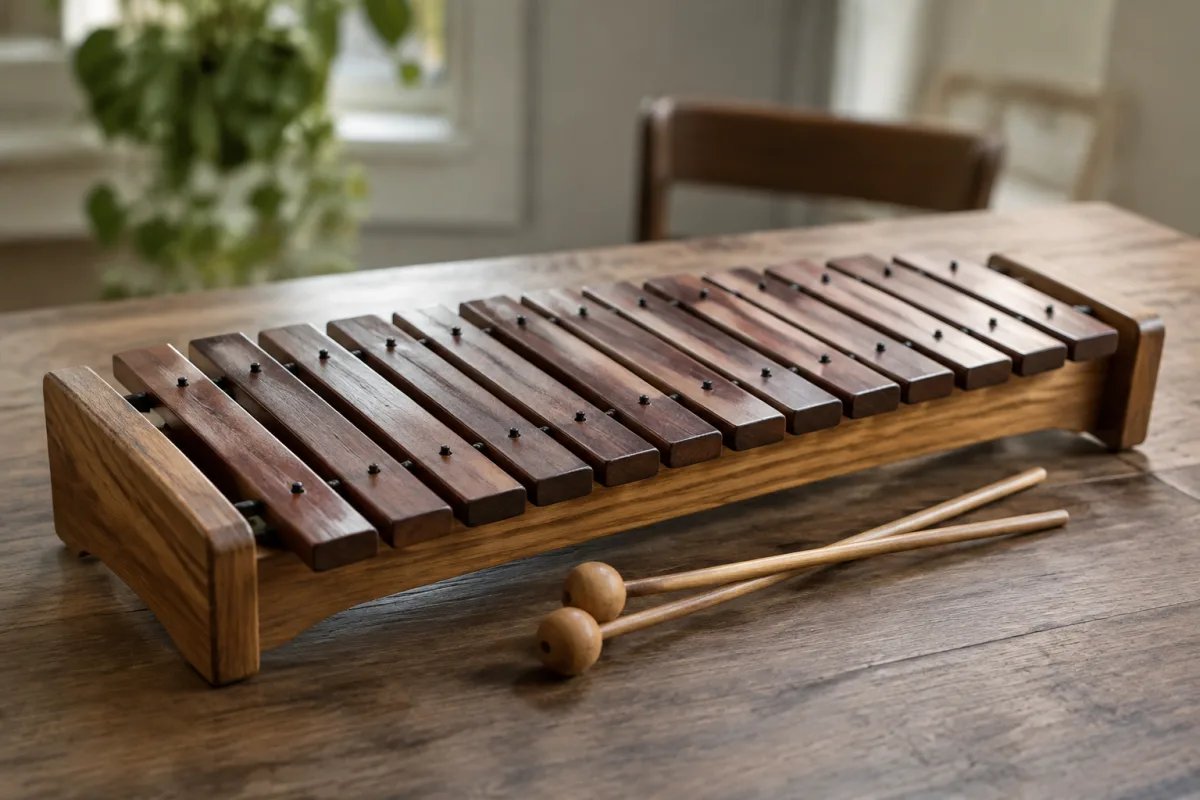
If you're shopping for a wooden glockenspiel, you've chosen an instrument valued for its warm, mellow tone and elegant craftsmanship. Buying the right wooden glockenspiel means understanding what distinguishes quality instruments from cheaper alternatives, knowing which specifications matter most, and recognising the pitfalls that trap unwary buyers. This guide gives you the knowledge to make a confident purchase decision.
What Makes a Wooden Glockenspiel Worth Buying
Wooden glockenspiels differ significantly from their metallic counterparts. When evaluating options, focus on these core characteristics:
- Bar material and composition: Premium wooden glockenspiels use carefully selected hardwoods (rosewood, padauk, or other resonant woods). Inferior models use cheap softwoods that produce flat, lifeless tones. Inspect the wood quality and grain—this determines your instrument's voice.
- Bar craftsmanship: Hand-carved bars with carefully considered thickness produce superior tone compared to industrially produced alternatives. Listen for clear, bell-like resonance; dead, dull tones indicate poor bar quality.
- Resonator construction: Wooden frames should be solidly constructed with properly joined, not glued, corners. Wooden resonators should be thick enough to contribute to sound without vibrating excessively or dampening tone.
- Mallet quality: Premium wooden glockenspiels include mallets that complement the bar material. Hard mallets sound harsh; soft mallets lack definition. The ideal mallet sits in balance, and quality instruments include matched pairs.
- Frame stability: Wooden frames can warp or shift with humidity and temperature changes. Quality instruments use woods with stable properties and construction methods that resist warping. Check that the frame sits level on a flat surface.
- Resonance and sustain: Strike each bar and listen for clarity, decay, and lack of buzzing. Each bar should ring clearly without unwanted overtones or dampening.
Pitfalls to Avoid When Buying Wooden Glockenspiels
These common mistakes derail purchasing decisions:
- Confusing wooden glockenspiels with metallophones. Wooden instruments sound fundamentally different from metal versions. Ensure you're buying the instrument type that suits your needs.
- Assuming all wooden glockenspiels sound similar. Wood selection, bar thickness, and frame construction dramatically affect tone. Play multiple instruments before committing.
- Neglecting humidity considerations. Wooden instruments are sensitive to humidity fluctuations. Instruments stored in dry environments develop cracks; excessively humid conditions cause swelling and intonation issues.
- Ignoring intonation accuracy. Each bar should be in tune when struck independently. Play each note and verify against a reference pitch—poor intonation is a dealbreaker.
- Underestimating transport challenges. Wooden glockenspiels are fragile instruments. Verify shipping protection and insurance before purchasing online. Local purchases allow inspection before committing.
- Buying based on appearance alone. Visually beautiful instruments don't always sound good. Prioritise tone and responsiveness over cosmetics.
- Overlooking the frame size and portability. Wooden glockenspiel frames vary significantly in size. Verify dimensions match your performance space and transportation capabilities.
Wooden Glockenspiel Price Tiers and Value
| Price Range | Quality Level | Best For |
|---|---|---|
| £200–£500 | Student/Educational | Children, beginners, school music programmes |
| £500–£1,200 | Intermediate | Serious hobbyists, music teachers, small ensemble use |
| £1,200–£2,500 | Professional | Professional musicians, concert performances, recording |
| £2,500+ | Premium/Handcrafted | Master musicians, collectors, custom commissions |
Specifications That Truly Matter
When comparing wooden glockenspiels, these specifications make meaningful differences:
- Range: Common ranges are 2.5 octaves, 3 octaves, or 3.5 octaves. Broader ranges offer more musical possibilities but increase cost and complexity. Match range to your intended repertoire.
- Bar thickness variation: Quality instruments vary bar thickness based on pitch. Lower notes require thicker bars; higher notes use thinner bars. This produces even tone response across the range.
- Resonator bore size: Properly sized resonators enhance specific frequency ranges, contributing to tonal warmth. Poorly designed resonators provide minimal tonal enhancement.
- Frame height and playing position: Low frames (16–18 inches) suit seated playing; higher frames accommodate standing performance. Verify the frame height matches your playing style.
- Wood colour stability: Some woods fade with UV exposure. Ask about wood selection and sun-fade resistance if your instrument will sit in bright environments.
- Intonation tolerance: Professional instruments maintain ±5 cents intonation; student instruments may vary ±20 cents. Verify intonation specs for professional use.
Where to Buy and How to Inspect
Whether shopping online or in person, follow this inspection checklist:
- Play each bar individually, listening for clear tone, proper decay, and absence of buzzing or rattling.
- Check that all bars sit properly on the frame—no bars should be loose or rocking.
- Verify the frame is solid, not warped or cracked. Look for signs of previous damage or poor repair.
- Play a melodic passage, listening for even tone response across the entire range. Obvious weak or overly bright notes indicate quality issues.
- Inspect the mallets—they should feel balanced and be appropriate for wooden bars.
- Ask about the wood species used. Premium hardwoods indicate quality commitment.
- Verify warranty and return policy. Reputable sellers stand behind their instruments with substantial warranty periods.
- Ask about maintenance requirements and environmental sensitivities (humidity, temperature).
New vs. Used Wooden Glockenspiels
- New instruments: Full warranty, perfect condition, highest cost. Excellent if budget permits.
- Used instruments: 30–50% savings, proven durability, but unknown history. Purchase from reputable dealers with trial periods or personal inspection possibilities.
- Vintage instruments: Often extraordinary tone quality from premium woods and aged craftsmanship. Verify authenticity and condition; restoration costs can be substantial.
Budget Recommendations by Use Case
- Music education/school programme: £250–£500. Student-quality wooden glockenspiel adequate for learning. Prioritise durability over premium tone.
- Serious hobbyist/small ensemble: £600–£1,200. Intermediate instruments balance quality tone with affordability. Suitable for gigging and recording.
- Professional performer/concert hall use: £1,200–£2,500. Professional instruments deliver consistent, beautiful tone across performance contexts. Investment-grade quality.
Understanding Wood Types and Tone
Different wood species produce characteristic tonal qualities:
- Rosewood: Warm, mellow tone. Premium choice for professional instruments. Higher cost but exceptional tone quality.
- Padauk: Brighter, more focused tone than rosewood. African hardwood with excellent stability and resonance.
- Teak: Warm, slightly darker tone. Excellent durability and weather resistance for outdoor or humid performance spaces.
- Maple: Clear, bright tone. Less expensive than exotic woods but produces good tone. Common in intermediate instruments.
- Avoid softwoods: Spruce, pine, and other softwoods produce flat, lifeless tones. These materials indicate budget instruments lacking serious tone.
Maintenance and Environmental Considerations
Before committing to wooden glockenspiel ownership, understand maintenance requirements:
- Wooden instruments require stable humidity (45–55% relative humidity). Dry environments cause cracking; humid environments cause swelling and intonation changes.
- Store away from direct sunlight, heating vents, and air conditioning units that create temperature fluctuations.
- Periodically clean bars gently with a soft, dry cloth. Avoid harsh chemicals or excessive moisture.
- Inspect frame joints periodically; professional tightening may be required if joints loosen over years of use.
- Mallet wear requires periodic mallet replacement. Professional musicians often maintain multiple mallets for different tonal possibilities.
Making Your Final Decision
Before committing to a purchase, ask yourself:
- Does the instrument's tone genuinely move you?
- Will you maintain proper humidity and temperature conditions?
- Does the price represent fair value compared to alternatives?
- Can you transport and store the instrument safely?
- Does the warranty and seller support meet your needs?
For deeper exploration of wooden glockenspiel techniques, ensemble arrangements, and comprehensive model comparisons, see our complete guide to wooden glockenspiels, which covers traditional vs. modern designs, professional applications, and detailed instrument-by-instrument analysis.
Your Purchase Decision
Wooden glockenspiels represent an investment in musical beauty and craftsmanship. Take time to find the instrument that inspires your playing. Armed with this knowledge, you'll recognise quality when you encounter it and avoid costly mistakes.


Comments