


Efnote Drum Kit article
Efnote Drum Kit for Beginners: A Complete Guide
An Efnote electronic drum kit is an excellent entry point into drumming. This beginner's guide explains what makes Efnote special and how to get started.
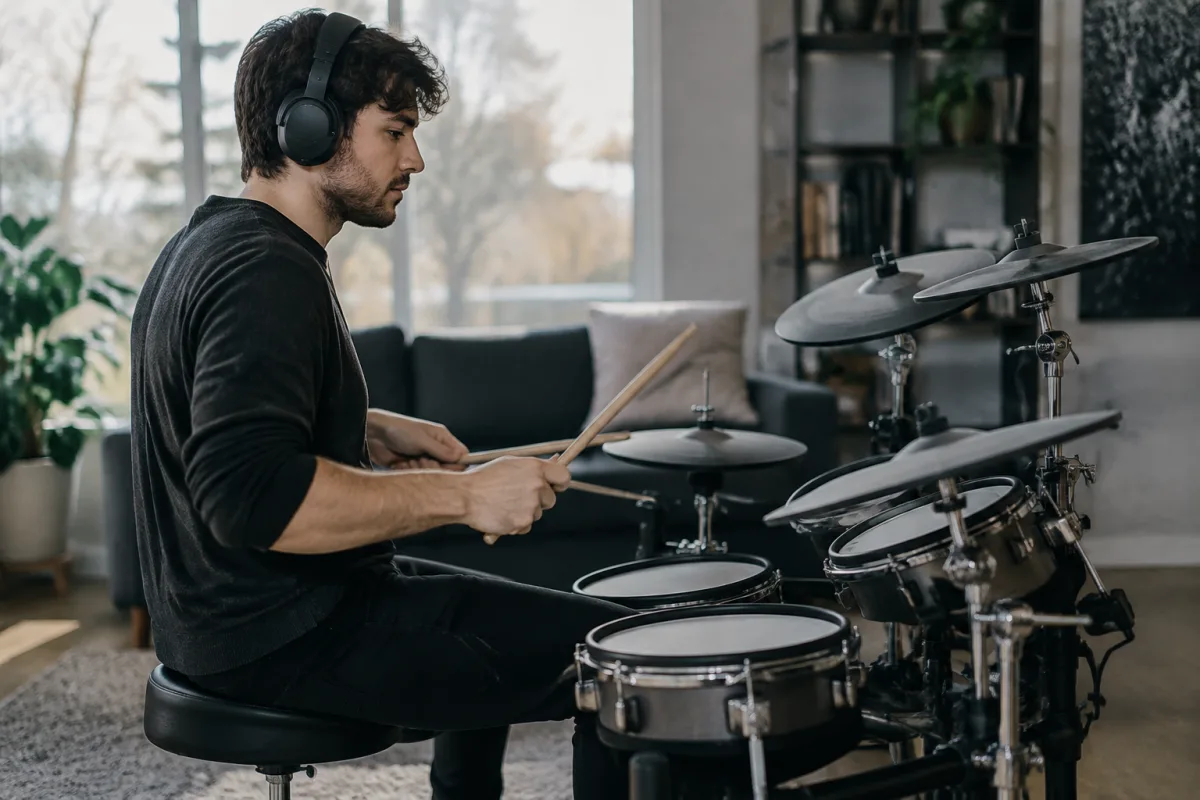
An Efnote electronic drum kit is an excellent entry point into drumming if you need quiet practice or flexibility in small spaces. Efnote kits combine solid build quality with responsive pads and realistic sounds at prices that won't break the bank. This beginner's guide walks you through what makes Efnote special for drummers just starting out, what to expect in your first weeks, and how to build fundamental skills on an electronic kit.
What Is Efnote and Why Choose It as a Beginner?
Efnote is a manufacturer of electronic drum kits designed by drummers who understand practice needs and playability. Their kits bridge the gap between ultra-budget models and professional setups, offering genuine learning instruments at accessible prices. For beginners, Efnote kits are compelling because they're quiet enough for apartment living, responsive enough to encourage good technique, and reliable enough to last through years of learning.
Electronic kits are ideal for beginners who lack space for acoustic drums or need silent practice. Efnote specifically designs kits that respond like real drums—not plastic toy drums—making the learning experience genuine and motivating.
Why Start with Electronic Rather Than Acoustic?
Electronic drums have several beginner-friendly advantages. You can practise silently using headphones, so volume isn't a neighbour concern. You can adjust difficulty: easier pads for learning, harder pads as you progress. The kits are portable and require minimal space. Most important, quality electronic kits respond to dynamics (soft strikes sound soft), teaching good technique just like acoustic drums.
The disadvantage: electronic drums feel different from acoustic drums. When you eventually play real drums, there's an adjustment period. But the fundamentals you learn—stick control, timing, coordination—transfer perfectly. Many professional drummers use electronic kits for practice precisely because they're convenient and isolate stick technique from acoustic variability.
Key Features in Efnote Beginner Kits
Pad Quality and Response
Efnote pads are designed for sensitivity and responsiveness. Good electronic pads have velocity sensitivity: hit them softly and the sound is soft; hit hard and it's loud. This encourages dynamic control and makes practice musical rather than mechanical. Entry-level Efnote kits use quality pads that respond well even to subtle touch.
Check pad size and spacing. Larger pads are forgiving and fun; cramped pads make learning harder. Efnote beginner kits typically use appropriately sized pads that are comfortable to play.
Sound Module Quality
The sound module (brain) determines the drum sounds you hear. Efnote sound modules include dozens of high-quality drum sounds sampled from real acoustic drums. For beginners, you only need one or two sounds to focus on—perhaps a jazz kit and a rock kit. Efnote modules include variety without overwhelming you.
Connectivity Options
Efnote kits connect to headphones (essential for silent practice) and often to computers via USB, allowing you to record and practice with software like BFD or Superior Drummer. As a beginner, you won't need computer connection immediately, but it's there as you develop.
Build and Durability
Efnote kits use solid plastic or resin pads and reinforced hardware. They're designed to withstand years of learning practice. Check that the rack or stand is sturdy and stable; a wobbly stand is frustrating and limits pad placement options.
First Weeks With Your Efnote Kit
Week One: Familiarisation
Spend your first week just playing. Don't worry about technique or songs—explore the pads, listen to the sounds, enjoy making noise without bothering anyone. Plug in headphones and discover what sounds good to you. This exploration builds comfort and confidence.
Play simple beats: kick drum on downbeats, snare on 2 and 4 (the backbeat), hi-hats steady. You'll quickly get a feel for the kits responsiveness and pad placement. This simple beat is the foundation of rock, pop and countless genres.
Week Two: Basic Coordination
Start combining kick, snare and hi-hat. A basic four-on-the-floor kick, snare backbeat and steady hi-hats teaches hand-foot coordination. Your Efnote kit's responsive pads give immediate feedback: if you're off time, you hear it. If your touch is uneven, you feel it. This feedback is essential for learning.
Weeks Three and Four: Building Patterns
Explore different drum sounds on your Efnote (rock, jazz, funk, latin). Notice how the same pattern feels different on different kits. Learn three or four basic beats by heart. Practice slowly and concentrate on consistency, not speed.
What Beginners Often Worry About (And Why Not To)
Concern One: "Will the pads hurt my hands?" No. Efnote pads are designed for comfort during long practice sessions. They're softer than acoustic drums, actually. Your hands will adapt quickly.
Concern Two: "Is electronic drumming 'real'?" Absolutely. The fundamentals—stick grip, posture, timing, foot-hand coordination—are identical on electronic or acoustic drums. Your learning is real; the kit is just different. Many professionals practice on electronic kits and perform on acoustic kits seamlessly.
Concern Three: "Will I be limited if I start electronic?" Not at all. Electronic drums teach the same skills and allow more focused practice because you're not dealing with acoustic variability. You might actually progress faster on electronic because feedback is clear and immediate.
Building Your Practice Routine
Start with 20–30 minutes of daily practice. Include: five minutes warming up (simple patterns), ten minutes working on a new beat or pattern, ten minutes playing things you already know (building confidence), five minutes exploring freely. This structure balances challenge and fun.
Use headphones with music you love. Play along with songs to develop timing and musicality. Most beginners find this more engaging than practising in silence.
Record yourself regularly. Listen back to identify inconsistencies and improvements. Recording builds awareness and motivation—you'll hear your progress.
Transitioning to Acoustic Drums Later
If you eventually transition to acoustic drums, the shift is smooth but requires adjustment. Acoustic pads are bigger, the action is heavier, and the feel is different. But your fundamentals carry over: stick control, coordination, timing and musical instincts are unchanged. Most electronic drummers transition easily within a few weeks.
Making Your Purchase
For comprehensive information about Efnote drum kits, including detailed models, setup guides and practice techniques, explore our complete guide to Efnote drum kits. This beginner focus gets you started; the comprehensive guide covers every model and advanced features.
Choose an Efnote kit based on available space and budget. Start practising, focus on fun and consistency, and let your skills develop naturally. You're starting on a genuine learning instrument—that's all you need.


Comments