


Efnote Drum Kit Buying guide
Efnote Drum Kit: A Complete Buyer's Guide
Selecting an EFNote drum kit requires understanding their market position and comparing models across responsiveness, sound quality, and build durability. This guide covers practical purchasing decisions for all skill levels.
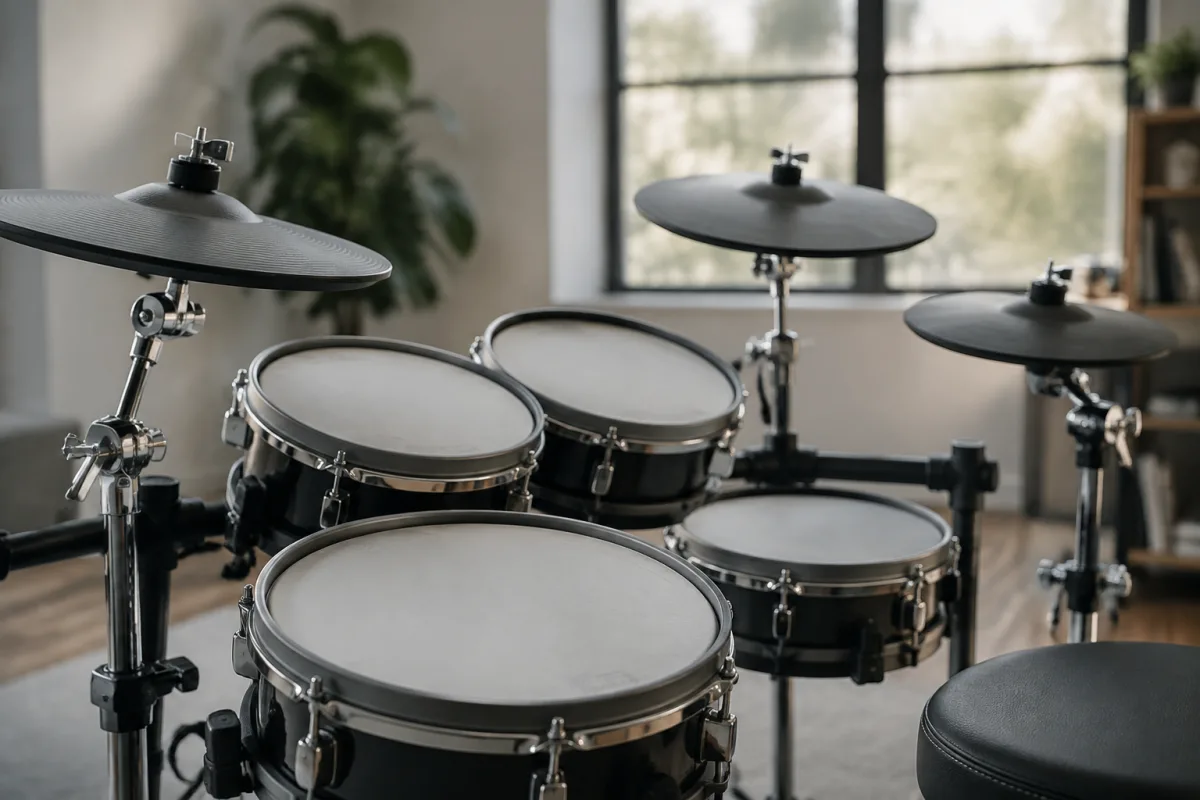
EFNote represents a compelling option for drummers seeking high-quality electronic kits combining authentic feel with practical affordability. Selecting an EFNote drum kit requires understanding their position in the market, comparing specific models across your needs, and evaluating whether their particular approach to electronic drumming aligns with your playing style and budget. This guide focuses on practical purchasing decisions: pad quality and responsiveness, sound library depth, build durability, and ease of integration into live and studio environments.
Understanding EFNote's Market Position
EFNote occupies the mid-premium segment of electronic drumming. They prioritise authentic playing feel and responsive pads over extensive sound libraries or flashy features. EFNote kits emphasise pad responsiveness, realistic stick rebound, and quality construction—appealing to drummers transitioning from acoustic or seeking professional gigging instruments. Unlike budget brands prioritising affordability or flagship brands maximising sound options, EFNote targets serious players valuing playability over feature bloat. Understanding this positioning helps determine if their philosophy matches your priorities.
Key Specifications and What They Mean for Drummers
When evaluating EFNote kits, focus on these practical specifications:
- Pad Technology and Response: EFNote uses various pad technologies depending on model tier. Premium pads simulate natural drumhead feel with consistent trigger response across the playing surface. Budget EFNote models use simpler pads requiring more precise striking. Test pads in-store; responsiveness varies between models and directly impacts playing comfort during long sessions.
- Sound Module Quality: The sound engine determines tone possibilities. EFNote sound modules offer diverse drum and cymbal samples from professional recording engineers. Check the sound count and sampling quality; more sounds don't guarantee better quality. Listen to audio samples before purchasing; sonic character matters more than quantity.
- Cymbal Pad Response and Feel: Quality cymbal pads should feel realistic—allowing natural dynamics from gentle rolls to powerful crashes. Some EFNote models feature velocity-sensitive cymbal pads; others use simpler pressure-based detection. Professional use demands responsive cymbal pads; casual play accepts simpler options.
- Build Quality and Portability: EFNote kits vary from compact travel configurations to full-sized setups. Evaluate assembly complexity, stand stability, and portability for your specific needs. Heavier kits offer more stability; lighter configurations suit touring and apartment environments.
- Connectivity Options:** USB connectivity suits DAW recording and software control. MIDI I/O enables hardware synthesiser integration. Audio outputs vary by model; verify connectivity matching your intended setup. Newer models often feature Bluetooth for wireless trigger support.
- Customisation Possibilities: Some EFNote kits allow cymbal and pad replacement. Modular designs enable personalisation; fixed designs lock configuration. Expandability matters if you anticipate future modifications or upgrades.
Price Tiers and Configuration Options
| Price Range | Typical Configuration | Best For | Limitations |
|---|---|---|---|
| Entry-Level (£1000-1600) | 5-piece compact kit, basic pads, standard module, limited sounds | Beginners, apartment drummers, practice drummers | Pads less responsive; fewer sound options; limited expandability; may feel light during playing |
| Mid-Range (£1600-2500) | 5-piece expanded kit, quality pads, advanced module, diverse sounds | Working drummers, gigging musicians, serious home studio setup | May lack ultra-premium pad feel; sound character may not suit all genres; some customisation limitations |
| Premium (£2500-4000) | 5-8 piece professional kit, responsive pads, flagship module, extensive customisation | Touring musicians, session drummers, professional studio recording | Higher cost justifies for professionals; excessive for casual players; portability becomes concern |
| Ultra-Premium (£4000+) | Custom configurations, elite pad technology, professional-grade integration | Professional touring acts, high-end studio installations, bespoke requirements | Marginal improvements justify cost only for top-tier professionals; niche market; extensive support needed |
Real Feel vs. Practicality: EFNote's Design Philosophy
EFNote prioritises realistic playing feel over feature comprehensiveness. Their pad design emphasises natural stick rebound and dynamic response, translating acoustic drumming technique directly to electronic playing. This philosophy appeals to classical-trained drummers and touring professionals who value feel consistency. However, it sometimes means fewer sound design options compared to competitors emphasising software synthesis. If authentic acoustic feel matters more than sound library breadth, EFNote excels. If you crave extensive sound manipulation and synthesis, other brands may better suit your needs.
Common Purchasing Mistakes to Avoid
Choosing Based on Sound Count Alone: EFNote kits include 200-500+ sounds. Quantity doesn't guarantee satisfying sounds. Listen to actual samples; verify sound quality and diversity before purchase. Ten excellent, useful sounds outperform five hundred mediocre options.
Neglecting Pad Responsiveness Testing: Buy if possible only after testing pads in-store. Playing feel is deeply personal; online reviews can't replace hands-on evaluation. Poor pad response frustrates repeatedly during playing.
Overlooking Setup Space Requirements: Expanded EFNote kits require significant floor space. Verify available room before purchasing. Compact configurations suit apartments; full setups require dedicated space.
Ignoring Module Customisation Options:** Some EFNote modules accept firmware updates; others don't. Customisation via configuration files or software varies by model. Verify update capabilities if long-term software evolution matters to you.
Forgetting About Integration Costs:** Electronic kits often need audio interfaces, stands, mounting hardware, and cables. Budget total system cost, not just the kit price. Complete setup costs exceed kit cost alone.
Studio vs. Live Performance Considerations
Studio use prioritises sound variety, USB connectivity, and MIDI integration. EFNote kits excel at studio integration through quality modules and DAW compatibility. Live performance demands reliability, responsive pads, and self-contained amplification. Verify audio output options (headphones, main outs, monitor outputs) for your live setup. Some venues require minimal setup; verify portability and integration speed match your touring needs.
Comparative Advantages and Trade-offs
EFNote kits compete against Roland, Yamaha, and Alesis brands. EFNote strengths include realistic feel and mid-premium affordability. Weaknesses include less extensive sound libraries compared to Roland TD-series and less aggressive marketing than competitors. If feel and value matter most, EFNote excels. If you prioritise comprehensive sound design or want maximum market visibility for used parts, competitors may better suit you. Evaluate your actual priorities rather than brand reputation alone.
For detailed comparisons of specific EFNote models, advanced setup techniques, and comprehensive troubleshooting guidance, explore our ultimate EFNote drum kit guide, which covers individual models in depth and professional implementation strategies.
Making Your Purchase Decision
Prioritise testing pads before purchasing if possible. Determine whether you need versatile sounds (favour larger kits) or prefer playing feel consistency (smaller focused kits suit better). Assess your actual space and portability requirements honestly. Consider total setup costs, not just kit price. Budget appropriately for stands, cables, and audio interface if needed. Choose retailers offering return policies permitting experimentation post-purchase; even exceptional kits benefit from real-world testing before committing financially.
Conclusion
Choosing an EFNote drum kit requires prioritising playing feel, sound quality, and integration with your specific setup. EFNote kits reward players valuing realistic responsiveness and mid-premium affordability. Their particular approach suits working drummers and studio musicians seeking playability over feature exhaustiveness. Match kit size and configuration to available space and intended use. Test pads thoroughly before purchasing. With careful consideration of your actual needs and realistic testing, an EFNote drum kit becomes a rewarding instrument for years of professional and recreational playing.



Comments