


Effect Cymbal article
The Ultimate Guide to Cymbal Sound Effect
Effect cymbals represent percussion's creative edge, transforming drum kits with textural possibilities that extend far beyond traditional crash and ride offerings.
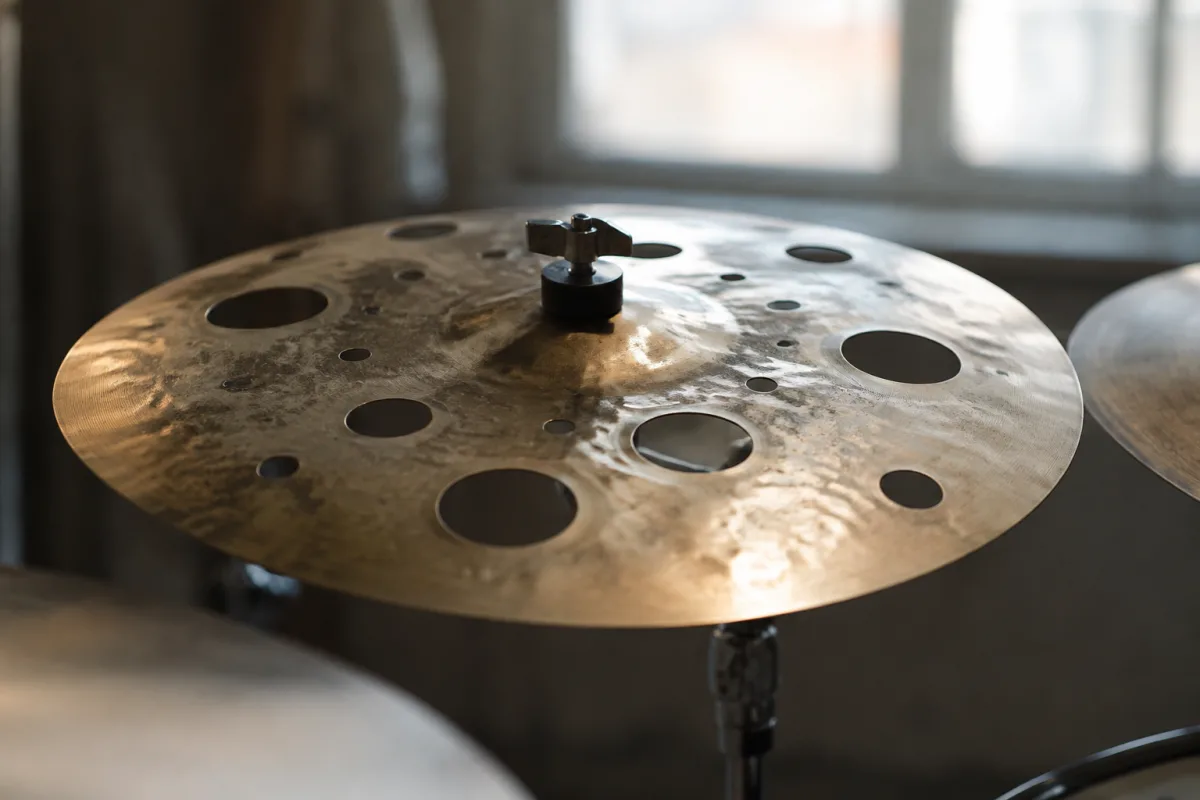
Effect cymbals represent percussion's creative edge, transforming drum kits with textural possibilities that extend far beyond traditional crash and ride offerings. These specialised cymbals produce unconventional sounds ranging from shimmering splashes to piercing stacks, enabling drummers to craft distinctive sonic character. This guide explores effect cymbals, their types and applications and how to select models that complement your playing style.
Understanding Effect Cymbals
An effect cymbal is a percussion instrument designed for non-traditional sound production, deliberately engineered to produce unusual tones rather than the clear pitch definition of standard crash or ride cymbals. Effect cymbals may feature irregular shapes, varying thicknesses or special alloys to generate textures that conventional cymbals cannot match. These specialised instruments appeal to experimentally inclined drummers seeking beyond-standard tonal palette.
The term encompasses diverse cymbal categories, each serving distinct creative purposes. An effect cymbal isn't necessarily inferior to conventional cymbals — rather, it's purposefully different, designed to solve problems or create sounds standard cymbals cannot.
Common Types of Effect Cymbals
- Splashes — small, bright effect cymbals producing sharp, cutting attacks without sustain. Popular in rock and metal for stabs and punctuation.
- Stacks — two cymbals seated atop one another, producing thick, dark effect cymbal tones suitable for extreme genres.
- Sizzle cymbals — effect cymbals featuring rivets or chains creating sustained shimmer and sizzle texture.
- Chinas — effect cymbals with inverted profile and raw character, producing trashy attack popular in rock and fusion.
- Pings and bells — thin, bright effect cymbals registering high pitch and rapid decay.
- Flat rides — effect cymbals offering a flatter profile and different tonal character than conventional ride cymbals.
Effect Cymbal Sound Character
An effect cymbal's voice depends on alloy composition, thickness profile and manufacturing technique. Darker effect cymbals sound heavier and more aggressive; brighter versions cut through louder musical contexts. Weight affects sustain — heavier effect cymbals ring longer whilst lighter models decay quickly. Thickness varies dramatically; thin effect cymbals respond with sensitivity to light strikes whilst thick versions demand considerable impact to speak.
The appeal of effect cymbals lies in this diversity. No two effect cymbals sound identical, giving experienced drummers infinite possibilities for customising their tonal palette.
Selecting Effect Cymbals for Your Setup
| Consideration | Importance for Effect Cymbals |
|---|---|
| Genre and context | Rock and metal drummers might prioritise aggressive effect cymbals; jazz players favour subtle shimmer. Match your genre. |
| Dynamic range | Some effect cymbals respond delicately to soft strikes; others require impact to sound convincing. Consider your playing intensity. |
| Sustain vs. decay | Fast-decaying effect cymbals suit cutting attacks; sustained versions work better for riding or washing textures. |
| Frequency range | Bright effect cymbals cut through high frequencies; dark versions anchor lower in the mix. Choose based on your kit's existing voice. |
| Budget constraints | Premium hand-hammered effect cymbals cost significantly more than machine-made versions, though vintage and entry-level options offer value. |
Effect Cymbals in Different Genres
Metal drummers favour aggressive effect cymbals that cut through dense arrangements — dark, fast-attacking stacks and chinas establish character. Rock players might use splashes for punctuation and sizzles for shimmer. Jazz drummers often select highly responsive effect cymbals capturing nuanced dynamics. Fusion and progressive musicians employ effect cymbals for textural experimentation beyond conventional expectations. Each genre reveals distinct effect cymbal preferences.
The beauty of effect cymbals lies in genre-agnostic creative potential. An effect cymbal that seems "wrong" for one context may become indispensable in another.
Pairing Effect Cymbals with Your Existing Kit
Rather than replacing conventional cymbals, effect cymbals supplement your setup, adding textural possibilities. A practical approach involves selecting one or two effect cymbals that enhance your core sound rather than clash with established character. Listening to drummers working in your genre reveals which effect cymbals appear consistently, providing guidance for your purchases.
Trial and experimentation matter. An effect cymbal's appeal often becomes clear only through extended playing, revealing subtle character that casual auditions may miss.
Budget and Investment Value
Entry-level effect cymbals cost considerably less than hand-hammered artisan models, making experimentation accessible for budget-conscious drummers. Mid-range professional-grade effect cymbals offer quality that satisfies touring and recording needs. Premium hand-crafted models command high prices reflecting superior materials and labour intensity.
Vintage effect cymbals, particularly from respected manufacturers, often retain value or appreciate with age. Investing in quality ensures decades of reliable use and potential resale value.
Maintenance and Longevity
Effect cymbals, like all percussion, require minimal maintenance beyond occasional cleaning. Proper cymbal stands and careful handling prevent accidental damage. A well-maintained effect cymbal can remain playable indefinitely, developing richer patina and character over years of use.
Conclusion
An effect cymbal transforms your sonic possibilities by introducing unconventional textures and attack characteristics beyond traditional cymbal offerings. Whether exploring subtle shimmer enhancement or pursuing extreme textural experimentation, selecting the right effect cymbals opens creative pathways that standard percussion cannot reach. Research options, try before purchasing when possible, and trust that thoughtful selection will deliver years of inspiring practice, recording and performance opportunities.






Comments