


Effect Cymbal Buying guide
Effect Cymbal: A Complete Buyer's Guide
Effect cymbals create unique textures beyond standard crashes. This guide covers the main types, specs, and how to choose wisely.
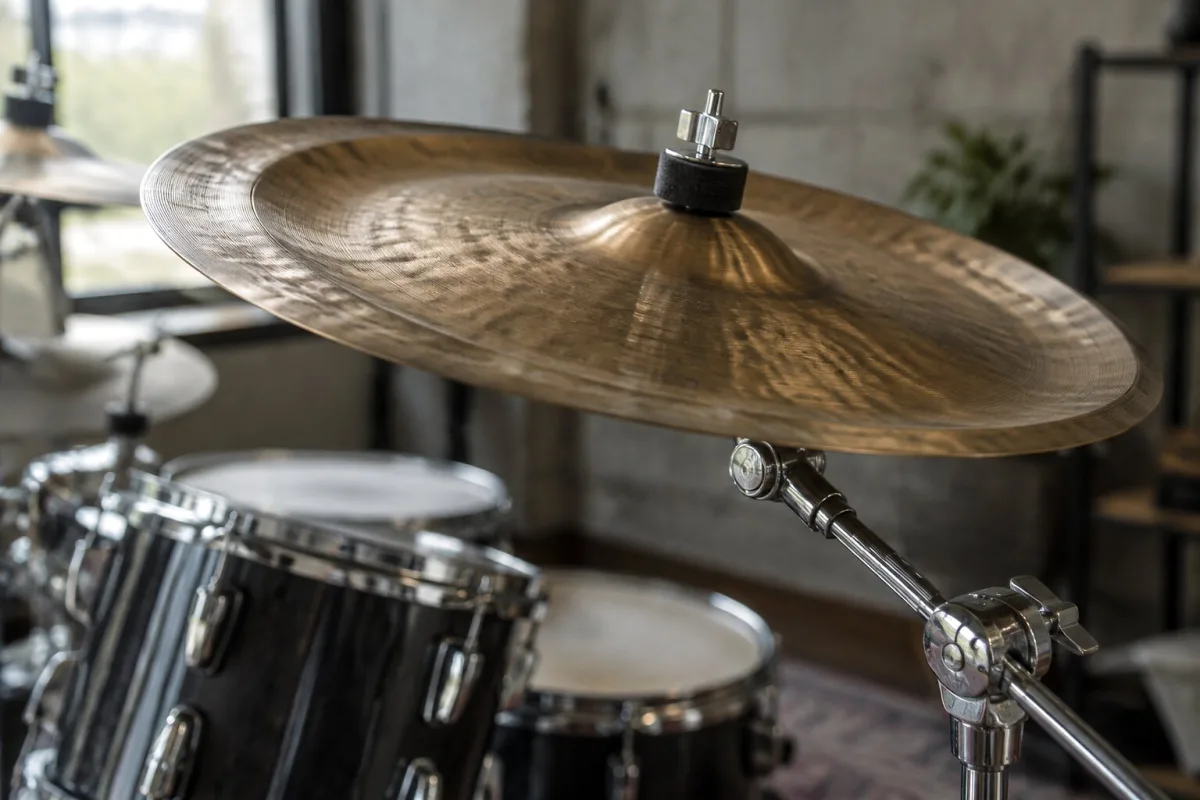
Choosing the right effect cymbal depends on understanding what you're paying for and what sound you actually need. Effect cymbals are speciality pieces—they're thinner, smaller, or shaped differently than standard crashes to produce unique sounds. This guide covers the main types, specs to compare, and how to select the effect cymbal that fits your music.
What Makes an Effect Cymbal Different
An effect cymbal is designed to produce textures beyond standard crash tones. They're typically thin, hand-hammered, or shaped with edges and perforations that create unusual frequencies. Common types include China cymbals (bright, aggressive), splash cymbals (small, quick), bell cymbals (dry, defined), and stack cymbals (layered intensity). Each produces distinctly different sounds, and choosing depends on your musical style.
Effect cymbals cost £100–£400 individually, depending on size and quality. Unlike standard crashes, buying a single effect cymbal makes sense—you choose one specific type for a specific sound rather than bundling multiple pieces.
Main Types and Their Uses
- China cymbal. Loud, trashy, aggressive. Common in rock and metal. Sizes run 10–20 inches; 14–16 inches is typical. Look for one with clear bite and projection.
- Splash cymbal. Small (6–10 inches), bright, quick attack. Perfect for accents. Cheaper than other effect cymbals, making it an excellent entry piece.
- Bell cymbal. Thick, dry, defined pitch. Sits between crash and ride tonally. Excellent for controlled sounds in jazz or progressive music.
- Stack cymbal. Two cymbals riveted together creating layered complexity. Darker and more intense than single cymbals. Requires heavier sticks.
- Trash cymbal. Thin, heavily hammered, very bright. Often used with trash stick (hard stick). Creates cutting, aggressive textures.
Specs to Compare
- Size. Larger effect cymbals (16–20 inches) project more and sustain longer; smaller ones (8–14 inches) respond quickly and cut through. Match to your space and playing style.
- Weight. Thin effect cymbals are responsive and bright; thick ones are defined and cut through. Beginners often prefer thinner; professionals may prefer thick for control.
- Finish. Polished bright effect cymbals sound glittery; dark/traditional finishes sound deeper. Personal preference matters more than spec.
- Hand-hammering. Hand-hammered effect cymbals sound more complex and organic; machine-made are more consistent. Price reflects this: hand-hammered costs more.
- Pitch. Some effect cymbals are tuned high, others low. Try before buying if possible—pitch affects whether it sits well with your other cymbals.
Common Mistakes When Buying
- Buying an effect cymbal you don't actually need. Each type serves specific music. Don't buy a China cymbal if you play jazz—they won't serve your style.
- Assuming bigger = better. A smaller splash cymbal often cuts through better than a large China because of its quick attack. Size isn't quality.
- Neglecting sound-check. Effect cymbals are highly personal. The one that sounds "cool" in a music shop might clash with your kit. Audition thoroughly.
- Pairing mismatched quality. Mixing an expensive, professional-grade effect cymbal with entry-level standard crashes creates tonal disconnect. Match quality levels.
- Forgetting durability. Thin effect cymbals crack more easily than thick standard crashes. Budget for potential repair or replacement, especially if you play aggressively.
Price Tiers
- Budget (£80–£150). Entry-level splash or thin China. Fine for experimentation; may lack tonal complexity and durability.
- Mid-range (£150–£250). Good quality effect cymbals with clear sound and decent durability. Best value for most players.
- Premium (£250–£500+). Hand-crafted, superior materials, complex tone, long-lasting. Worth the investment for professionals and discerning players.
Where to Buy and How to Choose
Music shops let you audition different types and sizes—often essential because personal taste varies enormously with effect cymbals. Online discounts are available but come without audition. Used effect cymbals can be 30–50% cheaper; inspect for cracks or damage.
Before buying, listen to recordings of professional drummers using the specific effect cymbal you're considering. Does that sound fit your music? If not, keep searching.
Pairing With Your Kit
An effect cymbal should complement your existing sound, not clash with it. If your standard crashes are bright and punchy, an equally bright effect cymbal works; a dark one might confuse the tonal palette. Consider your hi-hats and ride as well—aim for cohesion across your cymbal selection.
Final Thoughts
Buying an effect cymbal is about knowing which specific sound you need and whether that sound genuinely serves your music. Don't buy for novelty; buy for purpose. When you find the right one, it becomes an essential part of your voice as a drummer.


Comments