


Cowbells for Drums article
Cowbells For Drums for Beginners: A Complete Guide
Cowbells transform your drum grooves instantly. Starting is easy, and they're affordable, making them perfect for beginners looking to expand their percussion.
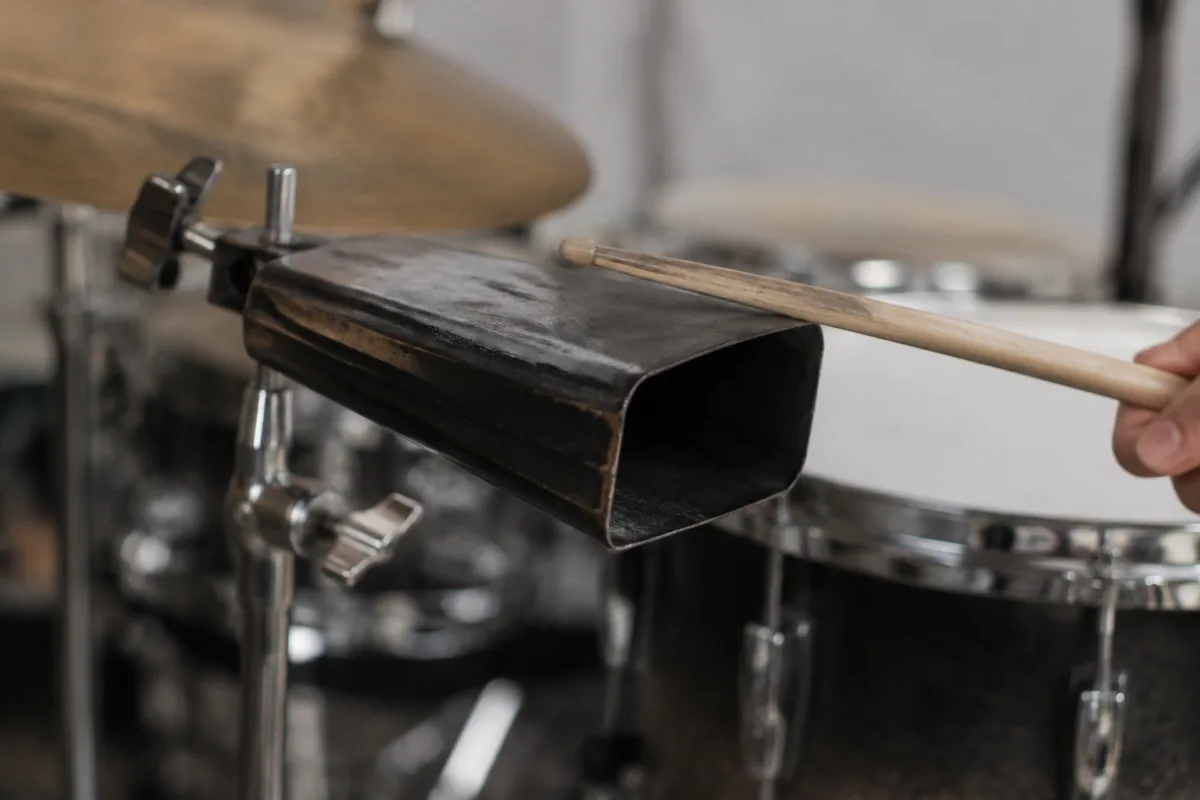
Adding Cowbells to Your Drum Setup: A Beginner's Entry Point
If you're a beginning drummer looking to expand your percussion palette beyond kick, snare, and hi-hats, cowbells might be your next smart step. They're genuinely beginner-friendly, wildly versatile, and they add character to your grooves immediately. Best of all, they're affordable and take minimal space in your setup.
Understanding What Cowbells Actually Do
Cowbells are metal percussion instruments — typically a curved, open bell shape that resonates when struck. Despite the name, they don't produce a "bell" sound like a church bell. They produce a bright, cutting metallic tone with a sharp attack and quick decay. This makes them perfect for cutting through dense mixes and adding rhythmic texture.
They're not a lead instrument like drums. Instead, cowbells add rhythmic colour and interest. Think of them as seasoning — they enhance a groove without dominating it. A simple drum pattern with a cowbell counter-pattern becomes immediately more interesting.
Types of Cowbells for Beginners
There are countless cowbell styles, but for beginners, focus on two: high-pitched (approximately 800Hz+) and low-pitched (approximately 400–600Hz). Higher-pitched cowbells cut through mixes brilliantly; lower-pitched ones sit in the pocket with kick drums and add warmth.
Most beginners start with one cowbell in the high range (roughly £30–£50). A single high-pitched cowbell teaches you the fundamentals: striking technique, rhythmic placement, and integration with your drum pattern. After mastering one cowbell, adding a second (contrasting pitch) transforms your possibilities.
Avoid cheap plastic cowbells (under £20) — they sound tinny and lack the resonance that makes cowbells worth playing. Spend the extra twenty quid and get a proper metal cowbell. The difference in tone is enormous.
Mounting Your First Cowbell
Cowbells mount on a drum stand, typically to your hi-hat stand or a dedicated percussion stand. The mounting position matters: angle it so you can strike the side (not the opening) comfortably while playing drums.
Height should put the cowbell at roughly the same level as your snare or slightly higher. If you're reaching awkwardly or hunching to hit it, adjust the stand. Comfort matters — an awkwardly positioned cowbell frustrates your playing and taxes your arm.
The bracket that holds the cowbell should be secure but not so tight that it dampens the bell's resonance. Tighten just enough that there's no rattle or movement during playing. The cowbell should ring freely.
Your First Week: Basic Striking Technique
Hold your cowbell mallet or drum stick at roughly a 45-degree angle to the cowbell's side. Strike with a snap from your wrist, not a full arm motion. Beginners often swing their arm like they're hitting a gong — that's wrong.
Play the cowbell on every beat of a four-beat bar, holding each note equally. This builds consistency and timing. After a week of this, you'll feel natural cowbell rhythms developing. Your wrist learns the motion without thinking.
Vary the striking angle slightly. Hitting the very edge produces a sharper tone; hitting slightly more toward the centre produces a rounder sound. Experiment and find the spot that sounds best to your ears.
Integrating Cowbells into Your Drum Grooves
Once basic striking feels natural, start combining cowbell with your drum kit. Begin with simple patterns: play cowbell on the quarter notes (every beat) while your drums play a simple four-on-the-floor kick and snare on 2 and 4.
After this feels secure, try playing cowbell on eighth notes (twice per beat) while drums remain simple. This creates a sixteenth-note feel and adds urgency to your groove.
The crucial insight: the cowbell should complement, not compete with your drums. If the cowbell is overwhelming the groove, either play it quieter (softer strikes) or less frequently (fewer notes). A good rule: if you have to concentrate on the cowbell, it's too busy.
Common Beginner Mistakes with Cowbells
The biggest mistake is playing too frequently or too loudly. Beginners often think "more cowbell = better groove," then end up with a chaotic sound. Restraint is musical. Use cowbells to accent and enhance, not to fill every gap.
The second mistake is poor mounting or positioning. An awkwardly positioned cowbell taxes your wrist and arm. Spend time getting the height and angle right. Your wrist should feel comfortable and natural when striking.
The third mistake is ignoring tuning. Different cowbells have different pitch personalities. A high cowbell and a low cowbell together create conversation. Two high cowbells fight each other. Understand your cowbell's pitch and choose additional ones that complement it.
Developing Your Cowbell Voice
After four weeks of regular practice with cowbells, you'll start developing instinctive patterns. You won't have to think about striking — your hands will find natural rhythms. That's when cowbells become genuinely musical rather than just a technique to master.
Listen to drummers using cowbells effectively: Sheila E, Ndugu Chancler, Lenny White. Notice how they use space, how they accent specific beats, and how the cowbell interacts with the drums. You'll develop a personal style from this listening and imitation.
Expanding Your Cowbell Setup
After mastering one cowbell, a second (contrasting pitch) multiplies your possibilities. A high and low cowbell together create rhythmic layers — you might play the high cowbell on quarter notes while the low cowbell accents specific beats.
Adding a second cowbell does require stand space and increases setup complexity. Make sure you're genuinely ready before expanding. One excellent cowbell beats two mediocre ones crammed awkwardly into your kit.
The Satisfaction of Cowbells
What makes cowbells wonderful for beginners is immediate musical feedback. Within your first week, you'll hear grooves transform when you add cowbell. That immediate reward keeps you motivated.
Cowbells also bridge to other percussion. Learning cowbell strikes and rhythmic thinking transfers directly to crotales, vibraphone, and other percussion instruments. You're not just learning an instrument — you're developing percussion vocabulary.
Start with one affordable cowbell, mount it comfortably, and spend a month integrating it into your grooves. You'll be shocked at how much character it adds and how naturally it becomes part of your playing voice.
For deeper context on cowbells, their history in different musical genres, and how to choose quality instruments, read our complete guide to cowbells for drums.


Comments