


Cowbells for Drums Buying guide
Cowbells For Drums: A Complete Buyer's Guide
Cowbells range from novelty toys to sophisticated instruments. This guide explains pitch, materials, and tone so you can choose a quality cowbell for your percussion setup.
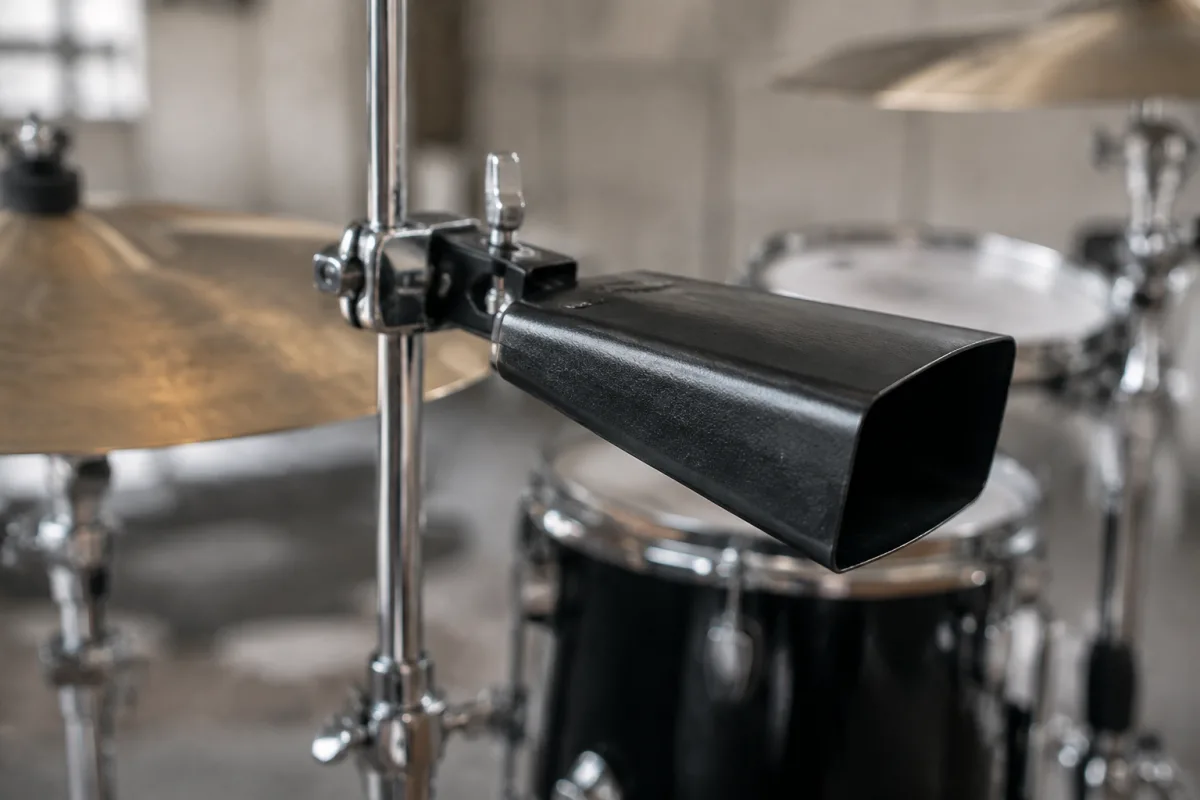
Cowbells are one of the most misunderstood percussion instruments. Dismissed by some as novelty items, they're actually sophisticated instruments when chosen carefully. The difference between a cheap, tinny cowbell and a quality one is enormous—like the difference between a toy guitar and a real one. If you're shopping for cowbells, understanding what separates a worthwhile instrument from an embarrassment is essential.
Pitch and Tone: The Core Difference
Cowbells come in different pitches, from deep, mellow tones to bright, aggressive clangs. The pitch depends on size, thickness, and materials. A large, thick cowbell produces a low, warm tone suitable for reggae and world music. A small, thin cowbell produces a bright, cutting tone perfect for Latin percussion or rock cowbell accents. Your genre and musical context determine which pitch suits you.
Most cowbell players own multiple sizes. A large cowbell for low accents, a medium one for general use, and a small bright one for cutting through a mix. But if you're buying your first cowbell, start with a medium size (typically 4–5 inches) that's versatile enough for multiple genres.
Materials and Construction
Quality cowbells are made from brass or steel. Brass produces warmer, rounder tones and costs more. Steel is cheaper and produces brighter, more cutting tones. Neither is inherently better; it depends on your sound preference and budget. Feel the weight in your hands. A substantial, heavy cowbell will have better tone and sustain than a thin, lightweight one.
The most obvious quality indicator is the sound. Strike a cowbell gently and listen for a clear, resonant tone that sustains. Cheap cowbells sound thin, tinny, and die quickly. Quality cowbells ring with depth and character. Your ears know the difference immediately.
Mounting Options: Tunable vs. Non-Tunable
Traditional cowbells are open on one end (non-tunable) and produce their designed pitch. Tunable cowbells have a mechanism that lets you adjust pitch by tightening or loosening a screw. Tunable cowbells offer versatility but are more complex and expensive. Non-tunable cowbells are simpler, cheaper, and perfectly adequate for most players.
For your first cowbell, a non-tunable model is sufficient. You'll learn the instrument's capabilities without managing tuning mechanisms. Once you know exactly what pitch range you want, upgrade to tunable models if you desire.
Handles and Playability
A cowbell's handle determines how you play it and how comfortable it feels in your hand. Wooden handles are traditional and offer good grip and control. Plastic or rubber handles are more durable but sometimes feel cheap. Feel the handle before buying. It should feel secure and comfortable, not slippery.
Some cowbells are mounted on stands, others held by hand. A mounted cowbell frees your hands for other instruments. A hand-held cowbell gives you more control over dynamics and tone but requires hand strength. Choose based on your setup and musical needs.
Price Tiers and Quality
Budget cowbells (£10–20) are thin-walled and produce thin, unsatisfying tones. They're suitable only for novelty or classroom use. Mid-range cowbells (£20–50) offer solid construction, warm tones, and years of reliable service. This is where most serious percussionists land. Premium cowbells (£50+) feature exotic materials, exceptional craftsmanship, and tones that rival professional instruments.
For general playing, a mid-range cowbell delivers excellent value. The jump in tone quality from budget to mid-range is dramatic; the jump from mid-range to premium is smaller but noticeable. Buy mid-range for your first cowbell, and you won't regret it.
Brands and Reputation
Established percussion brands like Meinl, LP (Latin Percussion), Pearl, and Sonor make consistently good cowbells. These manufacturers understand the instruments and stand behind their products. Avoid unknown brands with no reviews; the cost savings rarely justify the risk of a poor-sounding instrument.
Meinl cowbells are particularly respected for versatility and tone. LP cowbells are solid mid-range options. Both offer multiple sizes and pitches. Start with a reputable brand, and you're nearly guaranteed a worthwhile instrument.
Choosing Your First Cowbell
Ask yourself: what genre are you playing? For reggae and world music, a large, mellow cowbell. For Latin percussion, a medium bright cowbell. For rock and pop, a small, cutting cowbell. Your musical context should guide your choice.
Once you've decided on pitch/size, demo the cowbell if possible. Strike it gently and aggressively. Listen for sustain and tone. Does it sound satisfying to your ears? If yes, buy it. If the tone feels thin or unsatisfying, try another brand or size.
Common Pitfalls to Avoid
Don't assume loud always means good. A cheap cowbell can be loud and still sound terrible—tinny, thin, and character-free. Good tone matters more than volume. A mid-range cowbell played with sensitivity sounds far better than a cheap one blasted at full force.
Avoid buying without testing. Cheap cowbells feel identical to quality ones in your hand but sound completely different when played. You can't judge tone by appearance; you must hear it.
Don't buy multiple cowbells before you know your pitch preferences. A beginner mistake is accumulating cowbells you never use. Start with one quality medium cowbell, play it for months, then add others once you know exactly what you need.
Playing and Maintenance
Cowbells require minimal maintenance. Wipe them clean with a soft cloth. Store them in a dry place. No tuning, no replacing parts, no complicated care. A quality cowbell is essentially bulletproof.
Playing technique matters. Strike the cowbell's side, not the edge. Use a soft mallet for warm tones, a harder mallet for bright tones. Experiment with striking position and mallet type to discover your sound.
For a deeper exploration of cowbell types, playing techniques, and musical applications, see our complete guide to cowbells for drums.
Bottom Line: Buy Quality
A quality cowbell rewards careful listening and sensitive playing. It becomes an extension of your percussion arsenal, capable of adding warmth, brightness, or character to your music. A cheap cowbell sits in a corner unused, reminding you why you regret buying it. Invest in quality from the start, and you'll discover that cowbells are far more versatile and satisfying than their reputation suggests.


Comments