


Bongo Drum Instrument article
The Ultimate Guide to Musical Instruments Bongo Drums
Bongo drums are hand percussion instruments central to Latin and Afro-Cuban music. This guide covers construction, playing technique, tuning and how to learn authentic bongo rhythms.
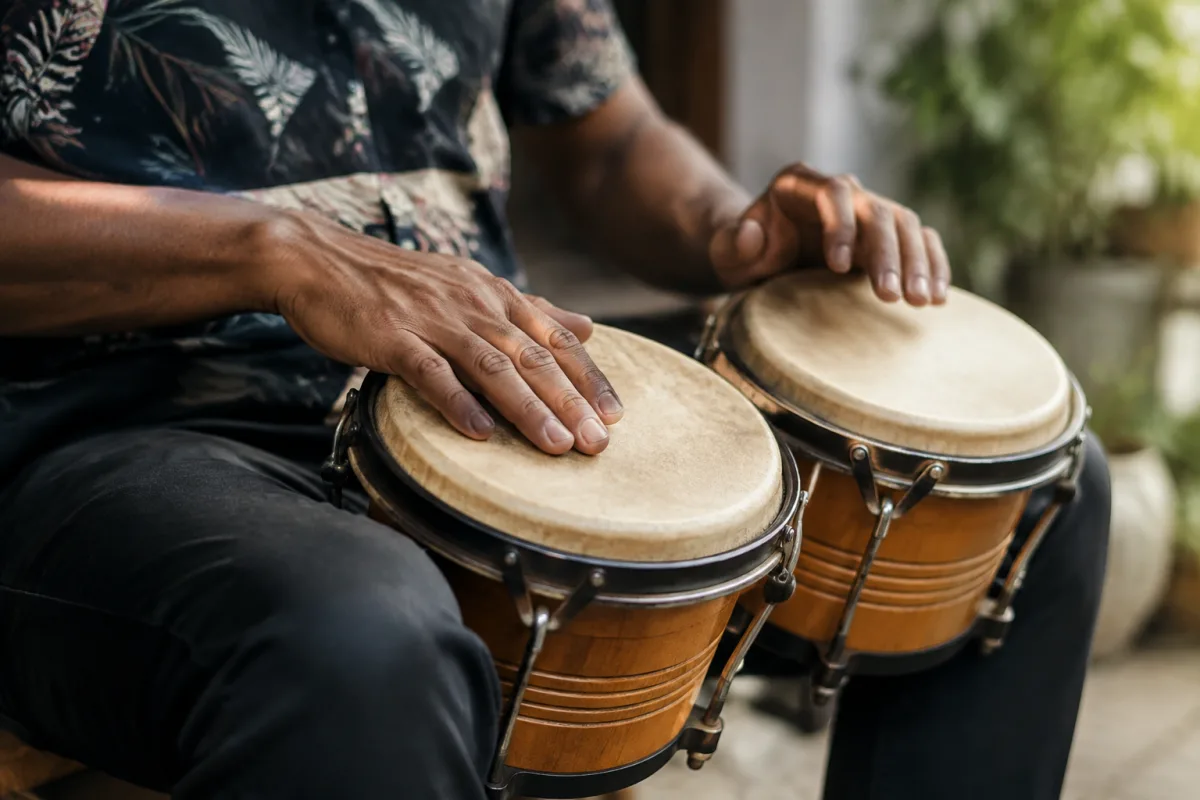
Bongos are among the most recognizable percussion instruments worldwide. The distinct high-pitched sounds of bongo drums appear in Cuban music, Latin jazz, world music and contemporary pop. Yet choosing a bongo drum instrument or developing a genuine practice routine takes more understanding than casual listening suggests. Bongo design, head tension, playing technique and musical context all contribute to tone and musicality. Whether you're drawn to the bongo drum instrument for its rhythmic role, its tonal possibilities or its accessibility as an entry point to percussion, this guide covers what makes bongos work, how to develop technique and what separates casual playing from genuine musicianship on the bongo drum instrument.
What a Bongo Drum Instrument Is
Bongo drums are a pair of single-headed drums—typically tuned to different pitches—played with hands rather than mallets. The higher-pitched drum (macho or male) is smaller; the lower-pitched drum (hembra or female) is larger. Both sit between the player's knees and are played simultaneously in interlocking rhythmic patterns.
The bongo drum instrument originated in Cuba, where African rhythmic traditions fused with Spanish colonial influence. Today, bongo drums appear in Latin jazz, salsa, Afro-Cuban music and world music traditions. The bongo drum instrument remains deeply connected to Cuban identity whilst being adapted into jazz, pop and experimental contexts worldwide.
Construction of a Bongo Drum Instrument
A bongo drum instrument comprises a wooden shell, a drum head (skin or synthetic), a bearing edge (the shaped rim where the head sits), tension lugs and tuning rods. Professional-grade bongo drums use hardwoods like mahogany or oak; entry-level models use cheaper woods or composites.
The drum head makes an enormous difference in tone. A bongo drum instrument with a calfskin head sounds warm and responsive; synthetic heads offer durability and consistent pitch. Bearing edge sharpness affects how crisp the tone is; sharper edges produce brighter tones, rounded edges produce softer tones.
Playing Technique and Hand Position
Bongo playing uses several distinct hand strokes. The open tone (striking near the edge with fingers extended) produces a resonant pitch. The muted tone or slap (striking with fingers together) creates a controlled, percussive sound. The heel of the hand can produce bass tones. Each stroke requires distinct hand position and follow-through.
A bongo drum instrument is played between the knees with hands arched and relaxed, not tense. This position allows freedom to transition between the two drums and to use the full range of hand strokes. Many beginners hold the bongo drum instrument too rigidly; relaxation and wrist flexibility are essential to good tone production.
Tuning Your Bongo Drum Instrument
The tension rods around the bongo drum instrument's circumference control pitch. Tighter tension raises pitch; looser tension lowers it. A properly tuned bongo drum instrument should have even tension around the bearing edge—uneven tuning creates dead spots and unstable pitch.
Tune the bongo drum instrument by tightening or loosening rods in a cross pattern, checking pitch frequently. Use a drum key (wrench) to turn the rods incrementally. A high drum (macho) on a bongo drum instrument typically sits in the 300–450 Hz range; a low drum (hembra) sits around 200–350 Hz depending on preference and playing style.
Musical Contexts and Learning
A bongo drum instrument primarily appears in Latin and Afro-Cuban music. Learning bongo drums without understanding the music they come from—the clave rhythms, the tumbao patterns, the relationship to bandleader and ensemble—misses the cultural context that gives bongo playing meaning.
Practice bongo drums by learning traditional Cuban rhythms: the martillo, the tumbao, the cascara. These patterns train the coordination and rhythmic sense that make bongo drums musical. Practicing random hand strokes without rhythmic context develops technique but not musicality.
Choosing Your First Bongo Drum Instrument
A beginner bongo drum instrument should have reasonable head quality and stable tuning. Entry-level models cost £100–300. Mid-range options at £400–800 offer better materials and tone. Professional-grade bongo drums cost £1000+. Start with a mid-range model rather than the cheapest option; a poorly made bongo drum instrument frustrates learners and limits tonal possibility.
Conclusion
A bongo drum instrument is both a rhythmic percussion tool and a vehicle for serious musicality. The construction details—head type, bearing edge, wood—affect tone. The playing technique requires patience and practice to develop. Most importantly, understanding bongo drums in their cultural context transforms learning from mechanical repetition into genuine musical engagement. A quality bongo drum instrument, combined with authentic rhythmic patterns and consistent practice, opens a world of rhythmic possibility.




Comments