


Bongo Drum Instrument Buying guide
Bongo Drum Instrument: A Complete Buyer's Guide
Buying bongos means understanding drum size, shell wood, bearing edges, tuning range and price tiers. This guide helps you navigate beginner, intermediate and professional options so you invest in drums that sound rich, stay in tune and match your playing style.
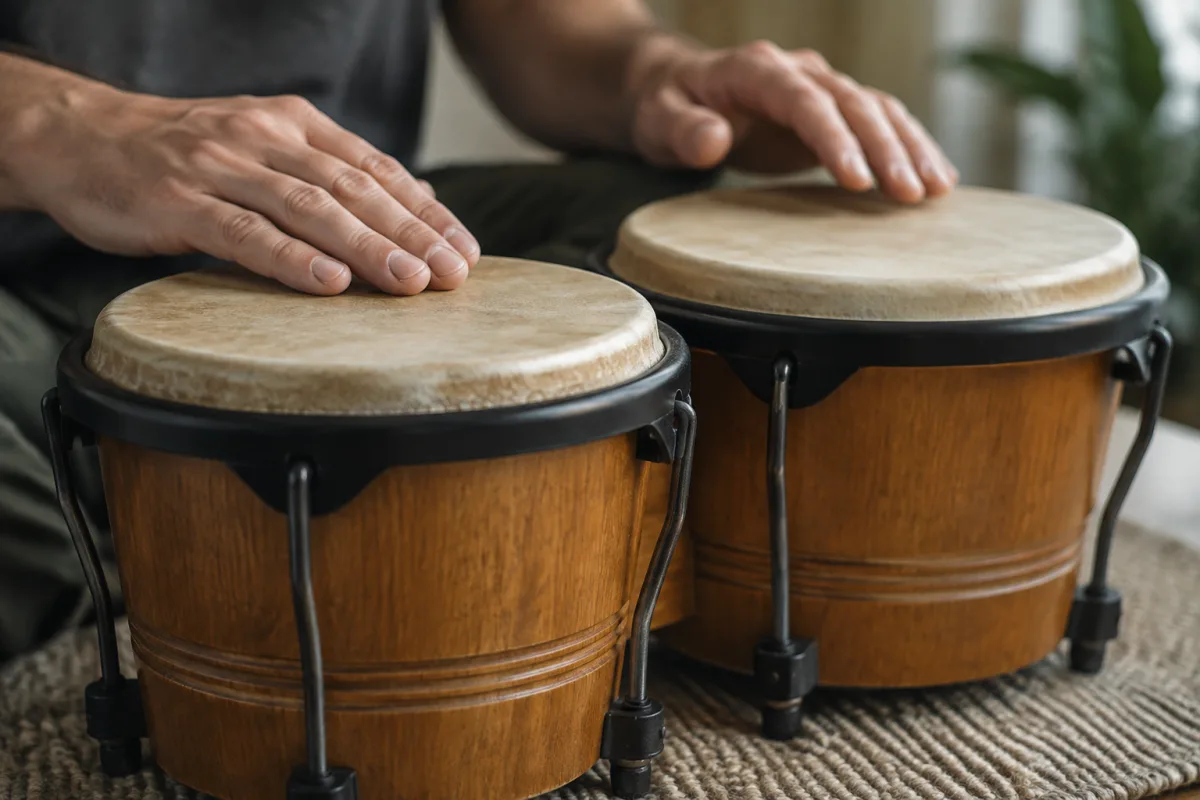
Buying bongos requires balancing drum size, wood type, head quality and your playing level against your budget. Whether you are a complete beginner or upgrading from a practice kit, understanding the key specifications—shell material, bearing edge shape, bearing edge height and tuning range—ensures you purchase drums that sound good, stay in tune and match your musical ambitions.
Single vs paired bongos: what to choose
Bongos traditionally come as a pair—one larger (11" or 12") and one smaller (8" or 9")—tuned to different pitches. A single bongo drum can work for rhythm patterns and open practice, but the traditional pairing lets you play melodies and bass lines in the same performance. Most players start with a pair, which is the standard setup in Latin, world and contemporary music.
If you are uncertain whether bongos suit you long-term, buy a single drum first (or rent a pair) to test your commitment. Once you are sure you will play regularly, invest in a matching pair so you can explore the full vocabulary of bongo music.
Drum size and pitch range
Standard pairs combine an 11" or 12" bass drum with an 8" or 9" treble. Larger bass drums (12") produce deeper, richer tones; smaller ones (11") sit higher and brighter. The treble drum size affects how high the pitch can go. Most learners start with 11" + 9" as a reliable middle ground; professional players often gravitate toward 12" + 8" for extended range and depth.
A bongo drum instrument with a tuning range from low B-flat to high D or E gives you enough melodic flexibility for most styles. Check the manufacturer's tuning specs when shopping. Drums with a wider range (e.g. low A to high F) offer more expression but often demand a lighter, more responsive touch to avoid losing clarity.
Shell materials: wood and construction
Professional shells are built from solid wood—usually aged oak, mahogany, or premium tropical hardwoods—laminated into hollow cylinders. Solid-wood construction sounds richer, holds tuning longer and resists environmental stress better. Student models often use plywood or composite materials, which are cheaper but sound thinner and warp more easily in humidity changes.
Inspect the shell for visible cracks, warping or uneven thickness. Run your hand over the bearing edge (the top lip where the head sits) and feel for rough spots or unevenness. A smooth, precisely machined bearing edge is essential; any deviation causes the head to sit unevenly, making the drum impossible to tune properly.
Bearing edge shape and tone character
The profile of the bearing edge—the shape of the top rim—directly affects tone. A sharp, acute edge produces a brighter, more defined attack; a rounded, smoother edge softens the tone and extends sustain. Mid-angle edges (the most common) balance attack and resonance, suiting general playing. Premium instruments often have precisely calculated edge angles tuned for specific tonal characteristics.
Listen to recordings of professional players and note whether you prefer bright, snappy tones (sharp bearing edges) or warm, resonant ones (rounded edges). Then check bearing edge profiles on models you are considering. Some makers publish edge specifications; dealers often have samples you can tap gently to hear the difference.
Head selection and replacement cost
Drumheads wear out and must be replaced every 6 months to 2 years depending on playing intensity. Student-grade heads (£10–£15 each) are thin, break easily and sound thin. Professional heads (£20–£35) use thicker animal skin or premium synthetic materials, last longer and sound deeper.
When buying a bongo drum instrument, ask whether replacement heads are available and what they cost. Obscure or proprietary sizes can make heads hard to find later. Standard sizes (11", 12", 8", 9") have heads readily available from major suppliers. Factor annual head replacement (roughly £50–£70 for a pair) into your long-term cost.
Tuning range and tension rods
The distance from bearing edge to the rim (bearing edge height) affects how much tuning range you have. Higher bearing edges allow wider pitch variation; lower edges restrict range but can tighten the sound and reduce overhang. Precision-made tension rods and lugs (the hardware holding the head) enable smooth, stable tuning.
Test the tuning range on any bongo drum instrument you consider. Loosen the tension rods fully and tap to hear the lowest pitch, then tighten all the way and play the highest. Does it span at least an octave? Can you tune smoothly without dead spots? Poor-quality tension rods bind or slip, making tuning frustrating.
Construction methods: rope vs lug tuning
Traditional rope-tuned bongos use cord running through the shell to hold the head—common in Afro-Cuban and hand-tuned styles. Modern lug-tuned bongos use individual tension rods and lugs, allowing precise, repeatable tuning. Beginners almost always prefer lug tuning (easier, faster adjustments); professionals often play rope-tuned for authentic sound and playing technique demands.
Rope-tuned bongos are labour-intensive to maintain and require more hand strength to tune. Unless you are drawn to traditional playing techniques, start with lug-tuned drums. You can always step up to rope later if you want the authentic style.
Price tiers and value
Budget bongos (under £80) are practice toys—thin shells, poor tuning stability and thin heads. Beginner-intermediate sets (£80–£200) offer decent tuning, acceptable sound and durable construction. Semi-pro instruments (£200–£500) use quality wood, professional-grade heads and precise bearing edges. Professional pairs (£500+) are handcrafted, often lug- or rope-tuned, with premium finishes and superior materials.
For a learner committing to regular play, invest £150–£250 in a solid beginner-intermediate pair. It will sound good enough to stay motivated and last years of practice. Jumping straight to a £500+ professional set is wasteful if you are still exploring; upgrade after you have confirmed your playing style and commitment.
Stands, cases and accessories
A sturdy stand is essential. Cheap stands (£30–£50) wobble and cause tuning drift during play. Quality stands (£80–£150) are stable, adjustable and built to last. A good stand from a reputable maker (Pearl, Meinl, Yamaha, Gon Bops) is worth the extra cost; a poor stand will frustrate you daily.
Padded cases (£50–£100) protect your bongo drum instrument from damage during transport. Soft gig bags are lighter but offer less protection. Hard cases are overkill unless you tour regularly. Budget for a case if you move your drums often or perform outside your practice space.
Testing before buying
Never buy bongos without playing them. Visit a dealer and test several pairs in different price ranges. Play open tones, slaps, bass notes and check for:
- Consistent tone: Do all tension rod adjustments produce smooth tuning changes? Are there dead zones where the pitch jumps or drops unexpectedly?
- Sustain and resonance: Does the tone ring and decay naturally, or does it die quickly?
- Tuning stability: After tuning, do the drums drift or stay put? Poor lugs and shell warping cause creep.
- Comfort: Are the bearing edges smooth? Do your hands sit naturally when playing?
- Response: Do the drums respond immediately to light touches, or do they feel dull?
Second-hand bargains and pitfalls
A used bongo drum instrument from a professional maker, in good condition, can be tremendous value. Many players upgrade or retire drums in good working order. However, used bongos risk shell cracks, warped bearing edges and worn tension rods. Ask the seller for:
- Photos of the bearing edges and shell (inspect for cracks).
- Age and maintenance history.
- Tuning stability—do they hold pitch for at least an hour after tuning?
- Trial period or return guarantee.
A pre-purchase inspection by a drum tech (expect £30–£50) is money well spent if you are committing to used professional drums.
Building your purchase decision
Before shopping, clarify:
- Playing style: Jazz, Latin, world, rock? This shapes your bearing edge and tuning-range preference.
- Budget: Include stand, case, replacement heads and repairs over 3 years.
- Commitment: Will you practice regularly? Start modest if uncertain.
- Sound inspiration: Listen to 3–5 recordings of players you admire and note the instruments if available.
For a deeper dive into bongo history, technique and role in world music, see our ultimate guide to bongo drums, which covers the instrument's origins, playing mechanics and place in Latin, jazz and contemporary ensembles.
Conclusion
Choosing a bongo drum instrument that sounds good and stays in tune is an investment in years of musicmaking. Prioritise shell quality, bearing edge precision and head durability over flashy finishes. Start with a solid beginner-intermediate pair if you are new to bongos, test thoroughly before committing, and do not shy away from asking the dealer hard questions about tuning stability and maintenance. A well-chosen pair will serve you faithfully through decades of practice and performance.


Comments