


Mono Bags article
Mono Bags for Beginners: A Complete Guide
Mono bags are premium protective cases for drums. This beginner's guide explains what they are, when you actually need them, and whether they're worth the investment.
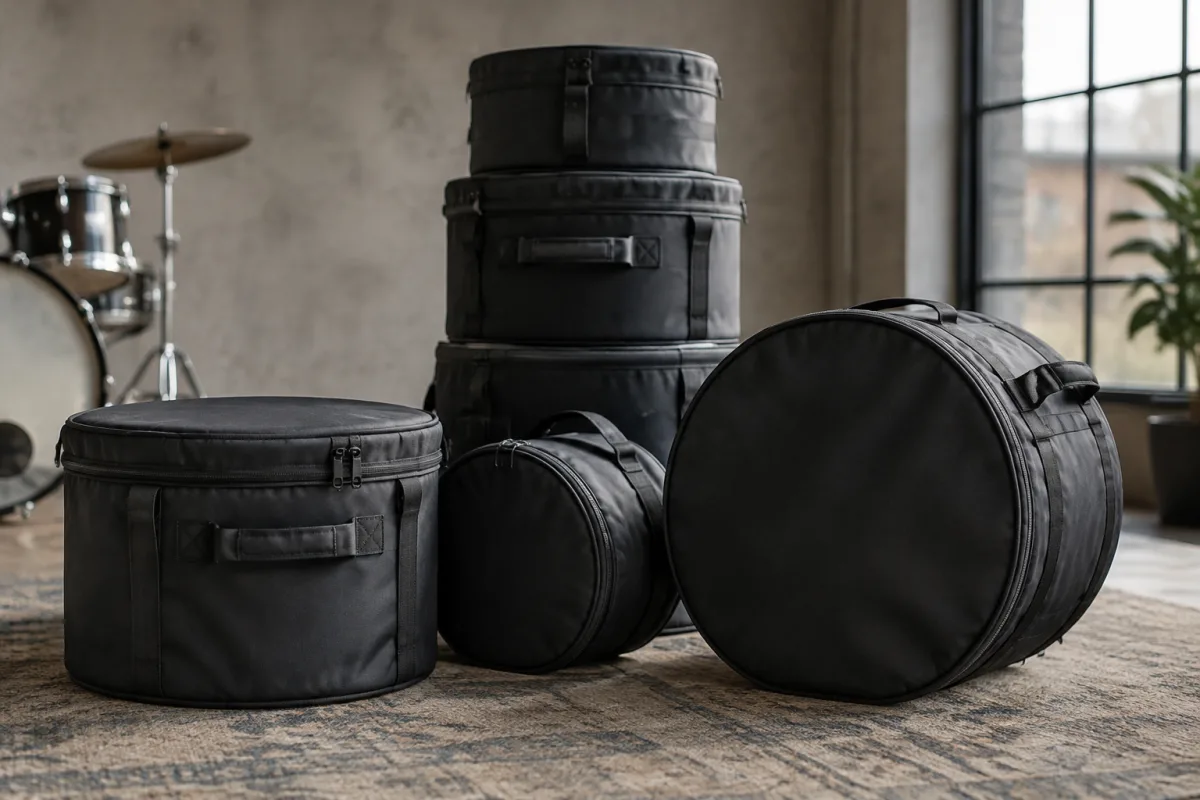
When you start playing drums seriously, protecting your kit becomes important. Mono bags are premium protective cases that keep your drums safe during transport and storage. If you're a nervous beginner wondering whether you need a proper bag or how to choose one, this guide breaks it down simply. You'll learn what Mono bags are, why they matter, and how to find the right solution for your budget and lifestyle.
What Are Mono Bags and Why Do They Matter?
Mono bags are protective cases made by Mono, a company known for high-quality drum and cymbal cases. They're designed to protect drums during transport, whether you're moving between rehearsals, gigs or just storing at home. But Mono bags aren't your only option—there are cheaper alternatives and expensive cases too. The question for beginners is: do you need them?
The honest answer: it depends. If you play once a week in a home setup and rarely move your kit, a basic padded bag is fine. If you're gigging regularly, moving between venues, or practicing at band spaces, good protection becomes important. Drums are investments worth protecting.
Why Beginners Often Overlook Protective Cases
Many new drummers skip cases because they seem like an expense on top of the kit itself. That's understandable, but it often costs more in the long run. A drum that gets banged in a car during transport can develop cracks, warping or even split seams. Repair or replacement costs hundreds. A good case costs fifty to a few hundred—it's cheap insurance.
Good cases also make your life easier. You can throw your kit in the car without worrying about it shifting. You can lend drums to friends without anxiety. You can store them safely at a rehearsal space. These practical benefits matter more than you might think.
Types of Drum Bags: Understanding Your Options
Soft Padded Bags
Soft bags are the entry-level option. They're made from heavy padded nylon or canvas and offer basic protection against bumps and weather. They're light, cheap (£20–£80) and good enough for drums that rarely leave home.
The downside: soft bags don't protect against serious impacts. If your drum falls or gets crushed in a car, a soft bag won't prevent damage. They're fine for casual practice; not ideal if you're moving your kit frequently.
Hard Cases
Hard shell cases (plastic or plywood) offer maximum protection. They're heavy, expensive (£100–£300+), and necessary only if you're touring or need absolute protection. Most beginners and hobbyists never need hard cases.
Mono Bags (Padded Hybrid Cases)
Mono bags are the middle ground. They're made from heavy-duty padded material with reinforced handles and padding that absorbs impact without being fully rigid. They cost £60–£180 depending on size and look sleek and professional. They offer serious protection but remain light enough to carry comfortably.
Many working drummers prefer Mono bags. They protect well, look professional, and aren't awkwardly heavy. For someone serious about drums but not touring, they're often the sweet spot.
Do You Actually Need Mono Bags as a Beginner?
Honest assessment: probably not immediately. Here's a practical framework:
You don't need them if: You play at home. You don't move your kit. You practice solo or in a stationary band setup. You're still learning and might quit soon. In these situations, a basic soft bag is enough.
You should consider them if: You gig or play at multiple venues. You transport your kit in a car regularly. You want your drums to last years without damage. You're serious about drumming and see it as a long-term thing. In these situations, Mono bags make practical sense.
The decision isn't about looking professional—it's about protecting your investment and making transport easier. If you're moving your kit more than once a month, get a decent case.
What Makes Mono Bags Good (And What You're Paying For)
If you decide to invest in Mono bags, understanding what you're paying for helps you appreciate the value:
Heavy-duty padded material. Mono uses thick nylon and internal padding that absorbs impact. It's visibly different from cheap bags. The material feels quality—it won't degrade or tear easily.
Reinforced seams and handles. Quality bags have double-stitched seams and handles that don't tear under weight. Cheap bags fail here—handles rip and seams split. Mono bags last years; cheap bags might last months.
Practical design. Mono bags have multiple compartments, cable pockets, and thoughtful details. You can organize your kit logically instead of throwing everything in a pile. This speeds up setup and teardown.
Aesthetic. Mono bags look professional. This matters more than beginners expect. If you're gigging or jamming with serious musicians, showing up with cheap, beat-up bags signals you're not committed. Professional-looking gear, even second-hand, is part of the impression.
These aren't luxuries—they're genuine functional improvements. A Mono bag makes transporting drums safer, faster and more pleasant than a cheap alternative.
Common Beginner Concerns About Mono Bags
"They're too expensive!" They're not cheap, but they're not a luxury. A quality drum is worth £300–£1,000. A Mono bag protecting it for £80–£150 is reasonable. Think of it as insurance, not decoration.
"Won't a cheap bag do the same thing?" It will, for a while. Cheap bags tear, seams rip, padding compresses. You'll replace it in a year. A Mono bag lasts a decade. The cost per year is actually lower.
"I don't move my drums, so I don't need protection." Static storage still benefits from good bags. They keep dust off drums, protect against accidental bumps, and keep everything organized. Even if you never transport, good bags improve home storage.
"Aren't Mono bags overpriced just for the brand?" Partially, but the quality is real. Other brands (Tama, Gretsch, Ludwig) make good bags too. But Mono has earned their reputation through durability and design. You're not paying purely for branding.
Alternatives to Mono Bags: Other Good Options
If Mono bags feel expensive, you have options:
Padded bags from major drum makers. Yamaha, Tama and Pearl all make decent padded cases. They're often cheaper than Mono and slightly less sleek, but they're still quality. If you find one that fits your budget, they're worth considering.
Used Mono bags. Reverb and eBay have used Mono bags at 30–50% off retail. A pre-owned Mono bag is often better than a new cheap bag. Check condition carefully, but used Mono is excellent value.
Generic heavy padded bags. If you're on a tight budget, a generic padded bag (£30–£60) from a music retailer is better than nothing. It won't last as long as Mono, but it's not useless. You can always upgrade later.
The key: don't buy the cheapest option expecting it to last. Spend enough that the bag will protect your drums and survive regular use.
Choosing the Right Mono Bag Size and Type
Mono makes bags for different drum configurations. Here's how to choose:
Snare bags are small and hold a single snare drum. They're affordable (£40–£60) and perfect if you want to protect just one drum. Many drummers buy a snare bag alone.
Tom bags protect individual toms. Again, around £40–£80 each. If you want piecemeal protection, this is the route.
Cymbal bags hold cymbals safely. They're crucial if you're moving cymbals regularly—even one bent cymbal can derail a gig.
Drum kit bags or "hardware bags" bundle snare, toms and hardware together. They're the most practical if you want all-in-one protection. Prices vary widely (£80–£200+) based on capacity.
For a beginner on a budget, start with a snare bag if you want to protect your most important drum. Or get a smaller kit bag that holds your main pieces. You don't need to protect every drum immediately—protect the most valuable or most-used ones first.
How to Actually Use Mono Bags
Don't overstuff them. Pack drums snugly so they don't shift, but not so tight you have to force them. Forcing drums into bags causes damage.
Use padding between drums. Place towels or bubble wrap between drums to prevent them bumping and scratching each other. Good bags have internal padding, but extra protection helps.
Secure cymbals with care. Cymbals are fragile. Always place them in individual sleeves if you have them. If using a single cymbal bag, stack them with felt or foam between each one.
Don't use bags for permanent storage of damp drums. If drums get wet, dry them first before storing in bags. Trapped moisture can damage shells and hardware.
Transport gently. A bag protects against bumps, but it's not invulnerable. Don't throw bags or stack heavy things on them. Treat your drums like you care about them.
When to Upgrade to Better Bags
Start simple. Buy one or two basic bags or a small kit bag. After a few months of using them, you'll know what you need. Maybe you realize you need cymbal protection. Maybe you want better organization. Maybe you're gigging and want professional-looking bags. Upgrade then, not upfront.
The best bag is the one you'll actually use. An expensive Mono bag sitting at home unused is worse than a cheap bag you use regularly. Start with what fits your budget and actual needs.
Key Takeaways for Beginners
- Mono bags are premium padded protective cases for drums. They're good but not essential for all beginners.
- You need bags if you move your kit regularly; you can skip them if your drums stay home.
- Mono bags cost more upfront but last longer than cheap alternatives—the cost per year is often lower.
- Start with protective bags for your most valuable or most-used drums (snare, cymbals).
- You don't need to buy everything at once. Upgrade as you develop preferences and gigging needs.
- Used Mono bags are excellent value and often better than new cheap bags.
- Pack carefully. Good bags protect against bumps, but misuse can still cause damage.
- Focus on protection and durability, not brand name or aesthetics.
Protecting your drums doesn't require expensive gear immediately. Start with basic protection, use it regularly, and upgrade when you identify specific needs. A beginner with a simple padded bag and good habits will keep drums safer than someone with expensive cases and careless transport. Focus on the fundamentals—safe packing and careful movement—and the right bags will follow naturally.


Comments