


Mono Bags Buying guide
Mono Bags: A Complete Buyer's Guide
Buying Mono bags means investing in premium protection for your instruments. Our guide helps you understand specs, features, and choose the right Mono bag.
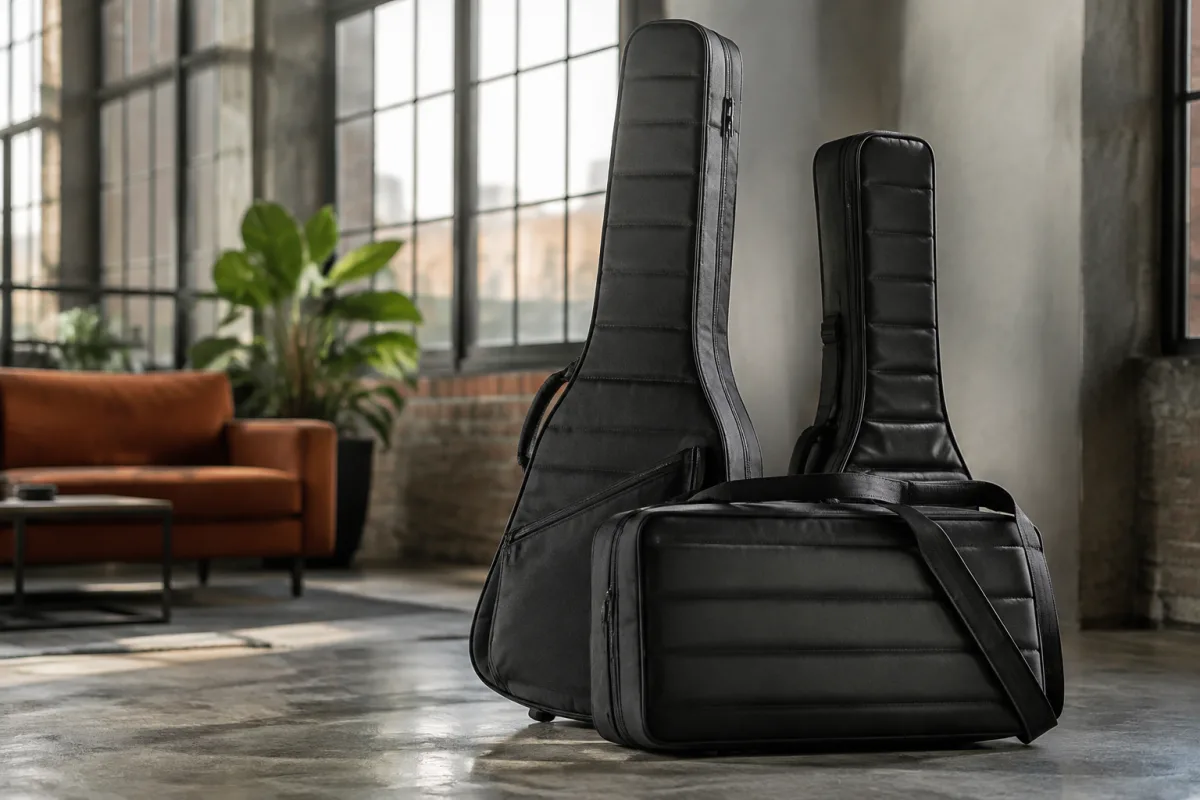
Your instruments deserve protection, and Mono bags offer premium cases and gear bags designed specifically for musicians who gig or travel. If you're considering buying Mono bags for drums, guitars, or other equipment, understanding what sets them apart and which model suits your needs will help you invest confidently. This buying guide covers essential considerations for choosing Mono bags.
Why Musicians Choose Mono Bags
When buying Mono bags, you're investing in premium protection and thoughtful design. Mono bags are engineered by musicians for musicians, which means they understand protection needs that generic travel bags miss. Buying Mono bags means choosing materials tested for durability, padding designed for your instruments, and thoughtful features like weather resistance and ergonomic straps. While Mono bags cost more than basic cases, their durability, resale value, and peace of mind during transport justify the investment for serious musicians. If you're frequently gigging or travelling with instruments, buying Mono bags is one of the best decisions you can make.
Understanding Mono Bags Product Categories
Mono makes various bags for different instruments and purposes. When buying Mono bags for drums, you'll find cymbal cases, snare cases, and hardware bags. Guitar players buying Mono bags have guitar-specific cases and gig bags. Keyboard players buying Mono bags can choose padded keyboard bags. Multi-purpose musician bags exist for those buying Mono bags to transport mixed gear. Decide what instruments you're protecting before buying Mono bags—choosing the wrong category means disappointing fit and wasted money. Research current Mono bags options in your instrument category to ensure good selection when buying.
Key Specs to Evaluate When Buying Mono bags
Understanding specifications helps you compare Mono bags fairly:
- Material quality: Mono bags typically use ballistic nylon or premium canvas. Ballistic nylon is tougher and weather-resistant; canvas feels more refined but requires occasional maintenance. Both perform excellently when buying Mono bags.
- Padding thickness: When buying Mono bags, check padding specifications. Thicker padding (15mm+) offers superior protection but adds weight. Choose padding based on transport method—flying requires more protection than driving.
- Interior dimensions: Measure your instrument carefully when buying Mono bags. Tight fit offers maximum protection; loose fit allows shifting during transport. When buying Mono bags, verify dimensions match your needs precisely.
- Strap design: Mono bags pride themselves on ergonomic straps. Check whether buying Mono bags includes carrying handles, shoulder straps, or backpack-style straps. Test comfort if possible—this affects daily usability.
- Accessory pockets: When buying Mono bags, consider whether you need pockets for cables, sheet music, or small accessories. Some Mono bags include many pockets; others prioritise simplicity.
- Warranty: Mono bags typically offer excellent warranties. When buying Mono bags, verify coverage details—this adds to value and peace of mind.
Price Tiers When Buying Mono bags
Mono bags aren't budget-friendly compared to generic cases. Entry-level Mono bags start around £150-250 for smaller items like cymbal bags. Mid-range Mono bags cost £250-500 for guitar gig bags and larger instrument cases. Premium Mono bags exceed £500 for professional-grade drum hardware cases and large multi-compartment bags. When buying Mono bags, consider your budget as a signal of how much protection you need. Frequent travelling musicians justify premium Mono bags; casual players might find entry-level options sufficient when buying.
Common Mistakes When Buying Mono bags
Don't buy Mono bags without measuring your instrument carefully—poor fit is the most common complaint. Avoid buying Mono bags online sight unseen unless you're familiar with the specific model. Don't assume all Mono bags in a category are identical; different models serve different purposes. When buying Mono bags, read reviews specifically mentioning your instrument type—experience varies. Don't neglect the warranty details when buying Mono bags; understanding coverage prevents disappointment. And avoid buying oversized Mono bags thinking extra space offers better protection—interior fit matters more than absolute capacity.
Trying Mono bags Before Buying
Visit music shops that stock Mono bags if possible. Test carrying comfort, check interior fit with your instrument, and verify weather resistance if that's important. When buying Mono bags online, check return policies thoroughly. Many retailers offer 30-day returns when buying Mono bags, which gives you time to evaluate comfort and protection in real-world use. Don't hesitate to return Mono bags that don't meet your needs; this is normal and expected when buying.
Long-Term Investment When Buying Mono bags
Mono bags hold value remarkably well. When buying Mono bags, you're making an investment that lasts years and potentially resells at good prices. Proper care—avoiding excessive weight, keeping Mono bags clean, and storing properly—extends life indefinitely. The durability of Mono bags means your investment compounds in value over time through protection and longevity.
For comprehensive product reviews, detailed model comparisons, and specialized guidance for specific instruments, visit the complete guide to Mono bags.
Invest in Your Gear's Future
Buying Mono bags protects your instruments and simplifies transport. The premium price reflects genuine quality and thoughtful design. Once you've owned Mono bags, the alternatives feel inadequate—that's the measure of their value. Invest confidently in Mono bags and enjoy the peace of mind they provide for years to come.


Comments