


High Hat and Stand article
The Complete Guide to High Hat And Stand
A high hat and stand is essential for any drummer. This guide covers cymbal characteristics, stand construction, pedal mechanisms and techniques for getting the most from your equipment.
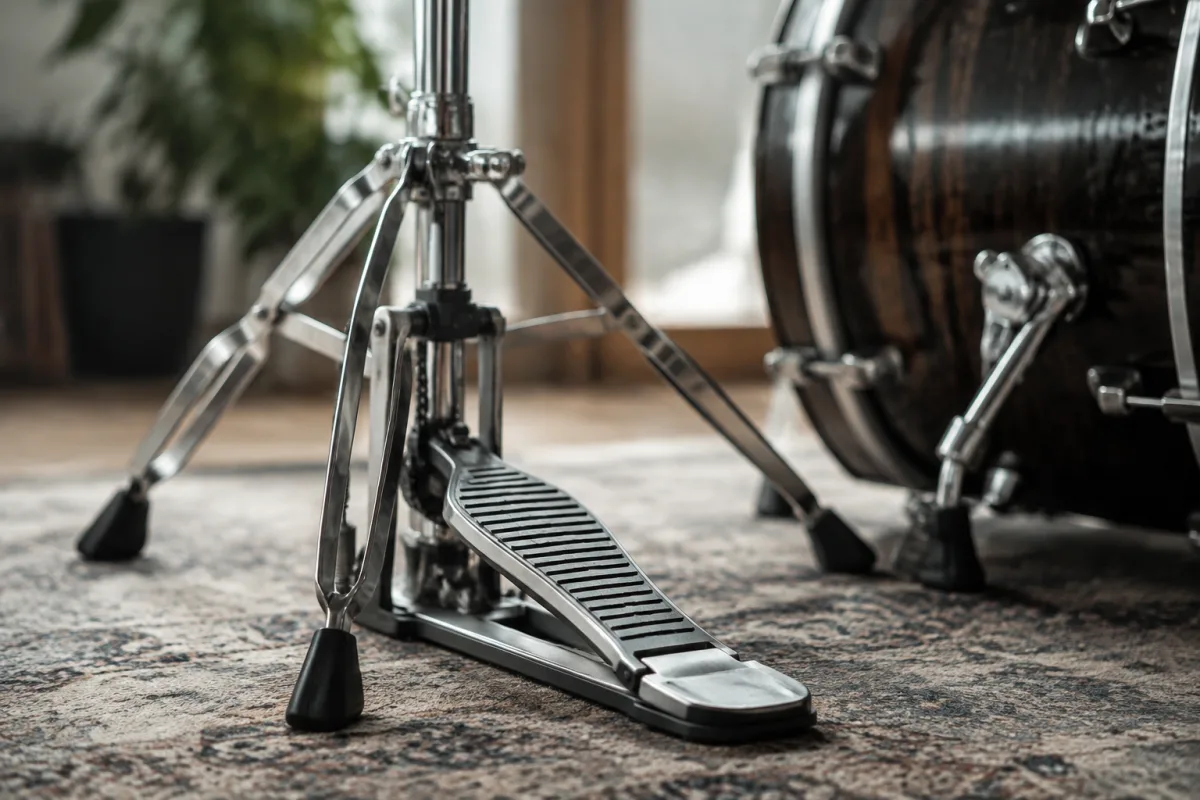
A high hat and stand is one of the most versatile components of a drum kit, capable of producing everything from tight, crisp attacks to sizzling swells and ghosted notes. The interaction between the cymbal pair and the mechanical system defines how responsive your equipment feels and what sonic colours you can access. Understanding the mechanics, construction and choice of a quality setup can significantly improve your drumming technique, expressiveness and overall musicianship across all playing styles.
What Is a High Hat and Stand?
A high hat and stand consists of two cymbals mounted on a mechanical stand operated by a foot pedal. The bottom cymbal sits fixed on a rod, while the top cymbal clips onto a rod that moves vertically when you press the pedal. Closing the pedal brings the cymbals together to create sharp, defined attacks. Opening the pedal slightly creates the sizzle and wash that makes this setup such a dynamic element of drumming. The term "high hat" comes from the elevated position of the cymbals compared to other kit components.
Cymbal Sizes and Weights
Hi-hat cymbals typically range from 13 to 15 inches in diameter, with 14 inches being the standard. Thinner, lighter cymbals respond quickly and are preferred for fast playing, open sounds and jazz styles. Thicker, heavier options provide crisp, cutting attacks and are favoured in rock and metal, though they're harder to open and close quickly. Your choice should match your playing style and the music you perform.
The Stand Mechanism
Pedal Design and Responsiveness
This equipment uses a foot pedal connected to a lifting rod that opens and closes the cymbals. Direct-pull mechanisms are simpler and lighter but require more foot effort. Chain-drive systems in quality units offer smoother action and faster response. The pedal spring tension affects how quickly the cymbals snap shut—adjustable springs let you customise this to your preference and playing technique.
Stand Construction
The stand itself must be rigid and stable to prevent unwanted vibration and movement during playing. Professional-grade designs feature heavy-duty tubes, quality hinges and reinforced joints that can withstand the repeated impacts of drumming. Some advanced models include adjustable cymbal angle, letting you tilt the equipment to suit your technique and comfort. The clutch—the mechanism holding the top cymbal—should engage and release smoothly without slippage during fast playing. Premium stands use felt washers and precision engineering to ensure consistent performance night after night.
Hi-Hat Cymbal Characteristics
Closed Sound
When the cymbals are pressed together, you get a tight, crisp attack perfect for driving rhythms and defined articulation. This produces short, punchy notes that cut through a mix. This closed sound is essential for keeping time and driving energy in rock, pop and funk playing.
Open Sound
Slightly opening the pedal creates sizzle and wash, fundamental to jazz, funk and soul styles. The cymbals vibrate more freely when opened, producing a shimmering tone that fills space. Skilled drummers use partial opening to create nuanced sounds between completely closed and fully open. The responsiveness of your pedal mechanism directly affects your ability to achieve these subtle gradations.
Decay and Sustain
Some hi-hat cymbals ring and sustain, creating wash and atmosphere. Others are thin and bright, dying quickly after the attack. Your choice allows you to select cymbals that match your musical context—shimmering pairs for open sounds in jazz, bright tight pairs for rock and funk.
Choosing the Right Equipment
Types Available
| Stand Type | Characteristics | Best For | Price Range |
|---|---|---|---|
| Beginner | Direct-pull, basic clutch, standard spring | Learning drums, practice | £60–£200 |
| Standard | Chain-drive, smooth action, adjustable spring | Gigging, recording, teaching | £200–£500 |
| Professional | Premium chain, precision clutch, felt washers | Professional touring, studios | £500–£1,200 |
| Double Braced | Extra-heavy tubes, maximum stability | Extreme playing styles, portable kits | £300–£800 |
Key Considerations
Pedal action: Test the responsiveness if possible—sluggish equipment frustrates quickly. Spring tension: Adjustable springs let you fine-tune how quickly cymbals snap shut. Build quality: A wobbling stand ruins articulation and creates unwanted noise. Clutch reliability: The top cymbal should hold firmly without slipping. Cymbal matching: Ensure you choose or upgrade cymbals that work well together tonally.
Techniques and Playing Styles
Jazz drummers often use looser, more open sounds, letting cymbals breathe and sustain. The flexibility of a well-constructed high hat and stand allows for the nuanced control that jazz requires. Rock drummers typically keep their equipment tight and controlled for defined rhythmic clarity, often using faster sixteenth-note patterns that demand responsive pedal action. Funk and soul drummers use the full range of a responsive high hat and stand, from tight closed sounds for snare hits to swishy open sounds for shaping the groove. Gospel and Latin drummers employ the cymbals as a textural instrument, using foot patterns and hand techniques to create intricate rhythmic layers. Each style makes different demands on equipment quality and responsiveness.
Maintenance and Upgrade
This equipment benefits from occasional maintenance. Clean cymbals regularly to maintain their appearance and tone. Lubricate the chain and hinges on quality units to keep action smooth and responsive. Over time, the clutch may wear and slip—this is easily serviced by replacing the felt washers or the clutch mechanism entirely. Many drummers upgrade as they progress, investing in professional-grade equipment that supports their advancing technique and delivers the responsiveness needed for complex playing. A well-maintained high hat and stand can last decades and continue to develop character and tone over time.
Conclusion
This equipment is far more than a timekeeper—it's a melodic and textural instrument within your drum kit. The combination of cymbal choice, stand responsiveness and your technique creates infinite sonic possibilities. Whether you're laying down rock grooves, swinging jazz patterns or experimenting with electronic fusion, investing in quality cymbals and responsive equipment will unlock new dimensions in your playing. The best high hat and stand is one that feels natural under your foot and responds intuitively to your creative intentions, becoming an extension of your musical voice.



Comments