


High Hat and Stand article
High Hat And Stand for Beginners: A Complete Guide
Getting started with hi-hats feels intimidating but it's genuinely accessible. This guide removes mystery, explains setup, and walks beginners through first steps to confident playing.
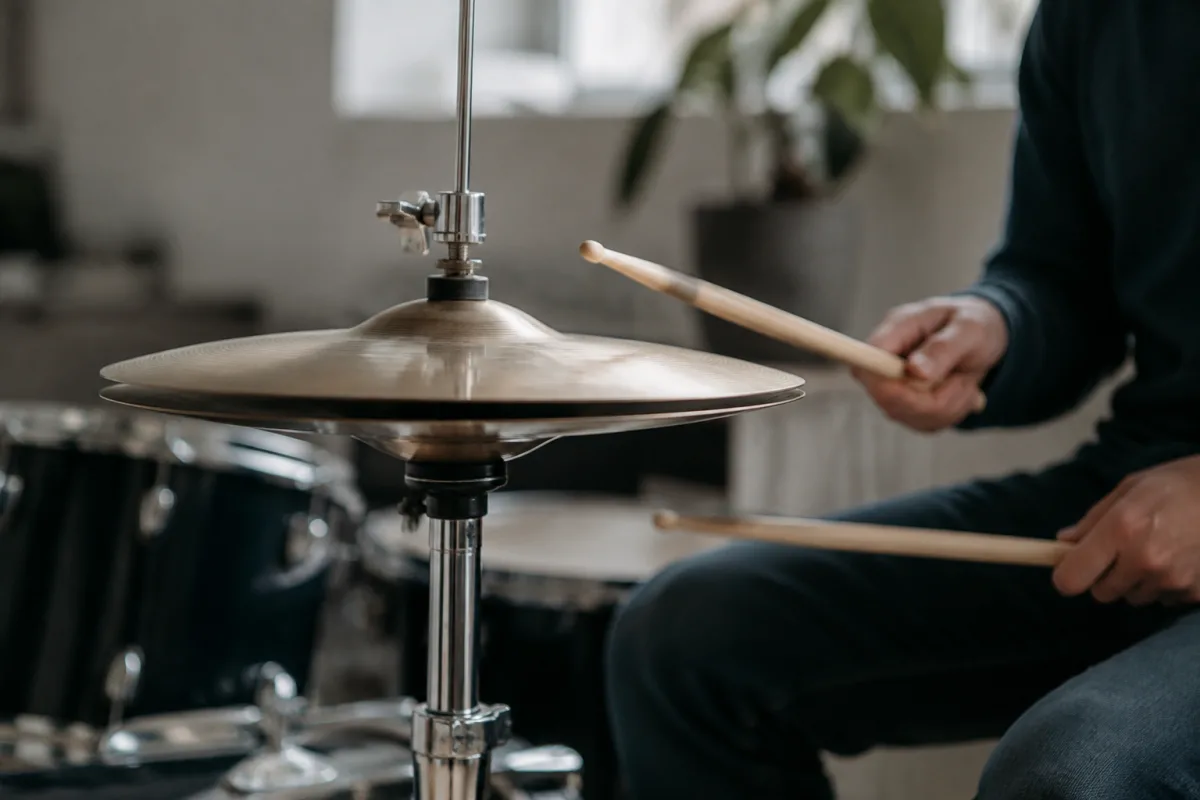
Starting to play drums feels intimidating—you're staring at an instrument with dozens of components, each one mysterious and seemingly essential. The hi-hat cymbals and stand might look like the most baffling part: two cymbals mounted on a mechanical stand that opens and closes. The good news is that understanding how they work isn't complicated, and choosing quality equipment for your first kit is entirely within reach. This guide walks you through everything a nervous beginner needs to know about hi-hats, how to set them up, and how to start playing confidently.
What Are Hi-Hat Cymbals, Really?
Hi-hat cymbals consist of a pair of cymbals mounted on a stand called a hi-hat stand. The bottom cymbal stays stationary; the top cymbal moves up and down controlled by a foot pedal. When your foot presses the pedal, the cymbals close together; releasing the pedal lets them open. Pressing them together creates crisp "closing" sounds; striking them in the open position produces splashier, more resonant tones.
The mechanical simplicity masks the music-making power underneath. Hi-hats create the rhythmic foundation supporting drummers across rock, funk, jazz, and numerous other genres. Getting comfortable with hi-hat control separates drummers who sound sloppy from those who sound professional—it's that fundamental to drumming.
Understanding Your First Hi-Hat Stand
Entry-level hi-hat stands (£40–£100) feature basic mechanics—a foot pedal, connecting rod, and cymbal mounting assembly. They work, but cheap stands develop playing habits that better equipment encourages you to break later. Pedal response feels squishy; the cymbals rattle slightly against each other. These characteristics frustrate beginners trying to develop clean technique.
Student-quality stands (£100–£200) from brands like Yamaha and Pearl offer smooth pedal response, secure cymbal mounting, and hardware that lasts through years of learning. The pedal feels responsive under your foot, mimicking professional equipment whilst remaining affordable. Beginner drummers genuinely notice the difference between budget and student-grade stands—playing becomes significantly more enjoyable.
Premium stands (£200+) excel at fast hi-hat articulation and responsive foot control, mattering mainly to experienced drummers developing advanced technique. For beginners, investing in student-grade equipment maximises learning efficiency without wasting money on features you won't utilise yet.
Cymbal Sizes and Sound Characteristics
Hi-hat cymbals typically measure 13 or 14 inches in diameter. Smaller 13-inch cymbals produce tight, focused sounds ideal for funk and intricate playing. Larger 14-inch cymbals offer fuller, more open tones suitable for rock and jazz. As a beginner, either size works—the difference becomes more significant as you develop musical preferences through playing.
Cymbal weight affects sound dramatically. Thin cymbals produce bright, shimmering tones but respond easily to light touches, sometimes creating unwanted noise. Medium-weight cymbals balance responsiveness and control, ideal for beginners developing consistent technique. Heavy cymbals require more force to make them speak, potentially frustrating players still building hand strength.
Setting Up Your Hi-Hat Stand Properly
Positioning the hi-hat stand correctly prevents frustration and encourages good technique. The stand should sit slightly to your left (for right-handed drummers), with the cymbals positioned comfortably in front of you. The pedal should reach easily without stretching your leg fully extended or requiring your knee to bend excessively.
Mounting height matters too. The closed cymbals (when your foot presses the pedal) should sit at a comfortable striking height—roughly chin height when sitting behind the kit. This positioning requires minimal arm extension to play, preventing the fatigue that poor setup introduces.
When mounting cymbals on the stand, ensure they're secure but not so tight the cymbal can't vibrate freely. Overtightening dampens the sound; too loose and the cymbal rattles. The sweet spot feels intuitive once you've adjusted a few stands—snug enough to stay put, loose enough to vibrate naturally.
First Steps: Learning Hi-Hat Control
Your first challenge involves coordinating your foot with your hands—playing hi-hat patterns whilst simultaneously playing other drums or cymbals. This seems impossibly complex initially, but it's genuinely learnable through consistent practice. Start with basic closed hi-hat eighth notes (beats subdividing each measure into eight equal parts) whilst your hands rest. Develop foot consistency before adding hand coordination.
The closed vs. open distinction drives much hi-hat artistry. Closed hi-hats (foot pressing down) sound crisp and controlled; open hi-hats (foot releasing) sound splashy and resonant. Learning to articulate this distinction—playing some beats with the cymbals together, others with them slightly open—creates rhythmic interest and dynamic variation that separates basic from engaging drumming.
Common beginner mistakes include pressing the foot pedal halfway, creating muddy undefined sounds. Commit fully to opening and closing positions—the cymbal either closes with a clear "ts" sound or opens to full resonance. This binary approach feels unnatural initially but develops into your foundation for advanced technique.
Maintaining Your Equipment
Hi-hat stands are surprisingly durable, but they deserve basic care. Keep the foot pedal and connecting mechanism clean and free of debris. Dust accumulation causes squeaking and sluggish response. A simple wipe with a soft cloth monthly maintains smooth operation for years.
Cymbals naturally accumulate dirt and fingerprints through playing and handling. Many drummers enjoy cleaning cymbals to restore shine, though playing sounds unaffected by cleaning. If you do clean cymbals, use cymbal cleaners specifically designed for the purpose—household cleaners can damage the finish.
Store the stand upright in a dry location when not in use. Cymbals stored while damp may develop mildew or corrosion. Simple storage practices extend equipment lifespan dramatically, protecting your investment and maintaining consistent playing experience.
Common Beginner Concerns
Many nervous drummers worry that hi-hat sounds will be too loud during early practice. The reality is that hi-hats produce moderate volume—far quieter than bass drums or snare drums. If noise is a concern, practice pad alternatives exist, though they eliminate the tactile feedback that genuine cymbals provide. Early noise concerns usually disappear as you realise hi-hat volume sits comfortably in the overall drum kit balance.
Another common worry involves maintaining consistent foot control during complex patterns. This seems impossible at first, but your body adapts remarkably quickly. Within two weeks of regular practice, foot control becomes automatic, freeing your mind to focus on hand technique and musical phrasing. The learning curve feels steep initially, then plateaus as coordination develops.
Some beginners fear breaking cymbals through improper striking or contact. Quality cymbals are genuinely durable—they're manufactured to withstand aggressive playing. Normal practice on student-grade equipment won't damage cymbals. This durability confidence means you can focus on playing rather than worrying about equipment protection.
Choosing Your First Kit Configuration
Starting drummers don't need expensive complete drum kits. A simple setup including a kick drum, snare drum, single tom, and hi-hat stand serves any beginning drummer perfectly. Adding more drums or cymbals later is straightforward—you're buying individual components, not replacing entire kits.
Budget beginner drum kits (£200–£400) include basic versions of all necessary pieces including hi-hat cymbals and stand. These kits are genuinely playable by beginners and last through initial learning. As you develop preferences for sound and playing style, upgrading individual components becomes possible without scrapping the entire kit.
Your First Practice Sessions
Spend your initial sessions simply getting comfortable with hi-hat foot motion. Press the pedal smoothly, open and close it rhythmically. Get your foot comfortable with the motion before trying to coordinate hands and feet simultaneously. This groundwork, though seemingly tedious, accelerates learning dramatically when you later add hand coordination.
Find simple rock or funk songs built on steady hi-hat eighth-note patterns. Transcribe the hi-hat rhythm by ear, then work on playing it consistently. This musical approach beats mechanical practice exercises—you're learning rhythm through music you enjoy rather than abstract patterns.
Connecting with Other Drummers
Finding drumming communities—whether online forums or local jam groups—provides invaluable encouragement and practical advice. Experienced drummers understand beginner struggles and offer perspective that overcomes early frustration. Knowing others struggled identically reassures you that difficulty is temporary, not indicative of fundamental unsuitability for drumming.
If possible, join a band or jam with other musicians once you're comfortable with basic coordination. Playing with others transforms motivation—you're no longer practicing in isolation but contributing to music being created together. This musical context makes all the technical work feel purposeful.
Your Path Forward
Understanding hi-hat cymbals and stands removes mystery from drum kit components that initially seem intimidating. The mechanical simplicity underlying apparent complexity becomes apparent through brief study and hands-on experimentation. Visit our complete guide to hi-hat cymbals and stands for detailed technical information.
Starting drums is genuinely accessible to anyone willing to practice consistently. Nervous beginners discover that coordination develops naturally, that equipment lasts through vigorous practice, and that the joy of making rhythm is worth the effort learning requires. Your hi-hat stand and cymbals are instruments enabling that discovery—treat them as tools that'll serve your musical journey for years to come.


Comments