


Roland Drum Pad article
Roland Drum Pad for Beginners: A Complete Guide
Discover how to get started with a Roland drum pad. This beginner guide covers types of pads, setup essentials, practice habits, and pitfalls to avoid.
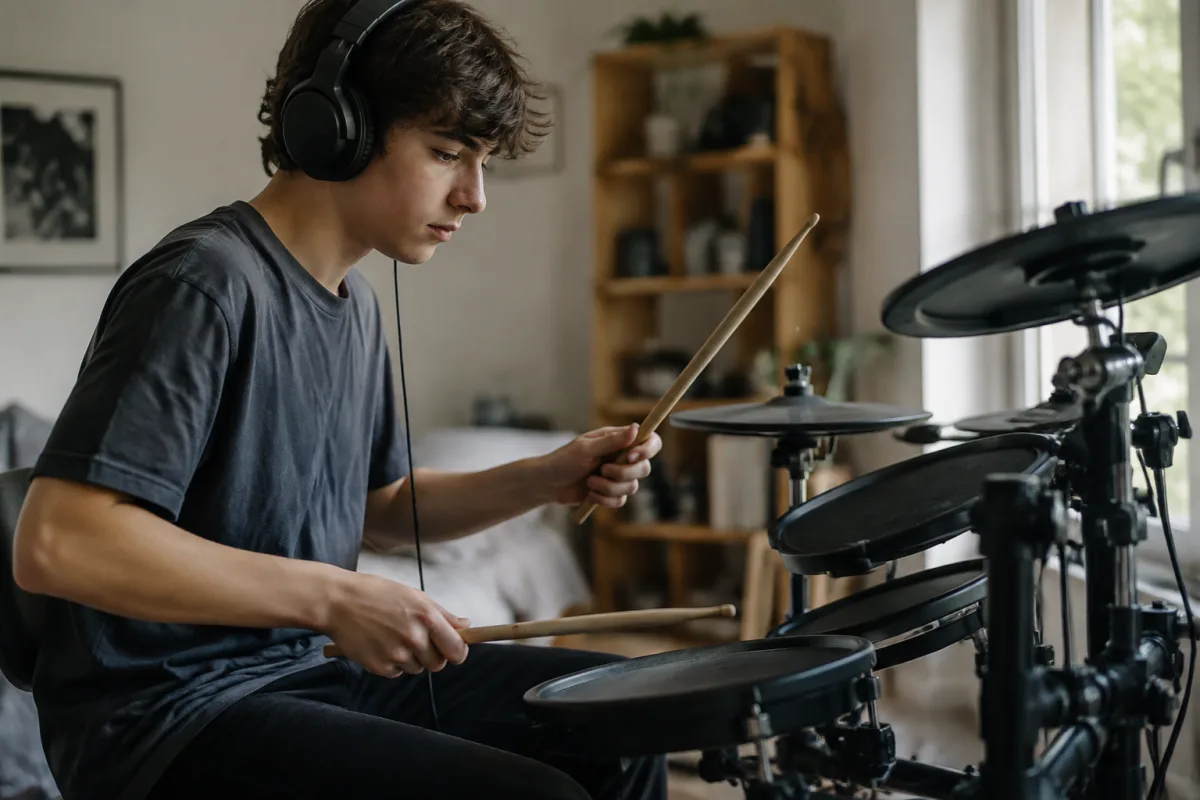
If you've always wanted to play drums but don't have space for an acoustic kit, or you're curious about electronic percussion without the noise, a Roland drum pad is an ideal entry point. Roland drum pad technology has evolved dramatically over the years, making it accessible to complete beginners whilst remaining powerful enough for professionals. This beginner's guide introduces you to what a Roland drum pad is, how to get started, what to expect in your first sessions, and how to avoid common pitfalls that frustrate new players.
What Is a Roland Drum Pad?
A Roland drum pad is a percussion input device—essentially a series of rubber or mesh pads that trigger digital drum sounds when you strike them. Unlike acoustic drums, a Roland drum pad is silent on its own; sound comes from connected headphones, speakers, or recording equipment. This makes a Roland drum pad perfect for apartment living, late-night practice, or silent recording sessions.
Roland is the market leader in drum pad technology, so when you choose a Roland drum pad, you're investing in a company with decades of percussion expertise and industry support. Most professional electronic drummers use Roland drum pads or Roland-based systems, so learning on a Roland drum pad puts you in good company.
Types of Roland Drum Pad Systems
Roland offers several Roland drum pad configurations. Understanding the differences helps you choose what suits your needs and budget.
Compact Pads
Entry-level Roland drum pad models like the SPD-ONE are small, portable units with 8 pads. These are perfect for beginners and fit easily on a table or stand. A compact Roland drum pad is affordable (£100–250) and teaches you the fundamentals without overwhelming complexity. Many players carry a compact Roland drum pad to gigs for quick sound triggers or live sampling.
Mid-Range Electronic Kits
Roland drum pad systems like the TD-1 or TD-17 integrate multiple pads with a sound module. A mid-range Roland drum pad kit includes drum pads (kick pad, snare, tom pads), cymbal pads, and built-in drum sounds. These systems (£400–800) offer realistic playing experience and hundreds of sounds, making them ideal for serious beginners ready to develop proper technique.
Premium Kits
High-end Roland drum pad kits (£800+) feature realistic mesh heads (instead of rubber), more responsive sensors, and vast sound libraries. Professional drummers use these systems for recording, touring, and studio work. As a beginner, you don't need this tier, but it's worth knowing it exists if you fall in love with electronic drumming.
Getting Started with Your First Roland Drum Pad
Beginning your journey with a Roland drum pad is straightforward if you follow these foundational steps.
Choose Your Setup
Decide between a compact pad (suitable for learning basic rhythms) or a complete kit (more realistic, better for developing technique). If you're entirely new to drumming, start with a compact Roland drum pad to test your interest. If you've played acoustic drums or you're committed to learning, invest in a kit-style Roland drum pad.
Acquire Essential Accessories
You'll need drumsticks (lightweight practice sticks cost £10–20), headphones or speakers for sound output (if not included), and a stand or mount for the Roland drum pad. A Roland drum pad stand costs £50–150 and transforms your playing experience—never balance a pad precariously; proper mounting matters for playability.
Connect and Configure
Most Roland drum pad systems connect via USB or 3.5mm audio cable to a computer or mobile device. Install the necessary driver software and open your audio routing settings. This process takes 10 minutes and feels intimidating until you've done it once. After that, connecting becomes automatic.
Start with Basic Patterns
Use your Roland drum pad to play simple four-on-the-floor kick patterns with your feet while your hands play the snare pad. Beginner-friendly sounds (like acoustic kick and snare) help you develop muscle memory. Resist the temptation to explore every sound immediately; mastering basics builds confidence faster than chasing novelty.
Common Beginner Mistakes with Roland Drum Pads
Learning from others' missteps accelerates your progress and prevents frustration:
- Striking pads too hard: Many beginners hit with full force, thinking louder equals better. A Roland drum pad responds to sensitivity; lighter, controlled strikes sound better and reduce hand fatigue. Let the technology do the work for you.
- Neglecting proper posture: Sitting hunched over a Roland drum pad creates bad habits. Invest in a proper throne and position your pads at comfortable height and angle. Good posture from day one makes learning faster and playing longer sessions painless.
- Ignoring the metronome: Practising with a metronome on your Roland drum pad builds rock-solid timing—essential for real musicianship. Practising without one reinforces timing sloppiness. Use the metronome even when it feels boring; accuracy matters more than speed.
- Expecting acoustic drum feel: A Roland drum pad feels different from acoustic drums—pads are less forgiving and require more precision. Don't expect identical feel; instead, embrace the differences and adapt your technique accordingly.
- Buying the cheapest option: Budget Roland drum pad alternatives from unknown brands often feel cheap and unresponsive. Investing in genuine Roland drum pad technology pays dividends in sound quality and playability.
- Not exploring sound options: A Roland drum pad comes with hundreds of sounds. Spend time browsing kits and effects—this exploration teaches you about drum sounds and keeps practice sessions fresh and engaging.
Building Practice Habits with a Roland Drum Pad
Consistency matters more than duration when learning on a Roland drum pad. Fifteen minutes daily beats three-hour weekend sessions. Here's how to sustain momentum:
Establish a Routine
Schedule practice time the same time daily if possible. A Roland drum pad is silent, so you can practise during odd hours without disturbing others. Use this advantage to build a consistent habit.
Track Progress
Record yourself playing on your Roland drum pad weekly. Hearing improvement, even subtle progress, fuels motivation. Many players skip this step and miss seeing how much they've developed.
Join Communities
Online forums and social media groups for Roland drum pad players offer encouragement, technique tips, and inspiration. Sharing videos of your progress connects you with others on the same journey.
Gradually Increase Complexity
As you master basic patterns, introduce more complicated rhythms, faster tempos, and more sounds. The learning curve never ends, which keeps electronic drumming engaging indefinitely.
First Weeks with a Roland Drum Pad
Expect to feel clumsy during your first week—this is normal. Your hands and feet coordinate differently on a Roland drum pad than on acoustic drums. By week two, muscle memory develops, and playing feels more natural. By week four, you'll be genuinely making music, and the appeal of electronic drumming becomes clear.
A Roland drum pad removes barriers to learning percussion. The lack of noise means you can practise whenever inspiration strikes. The huge sound library keeps practice fresh. The technology responds to your developing skill, rewarding better technique with better sound. For deeper understanding of Roland drum pad technology and specific models, explore the complete guide to Roland drum pads.
Your first Roland drum pad session might feel awkward, but persistence over weeks transforms that awkwardness into fluency. Embrace the learning curve, celebrate small progress, and enjoy the journey of becoming a drummer.


Comments