


Drum Mutes Buying guide
Drum Mutes: A Complete Buyer's Guide
Drum mutes let you practise without disturbing neighbours. We'll compare mesh heads, pads and dampening options to find what works for your situation.
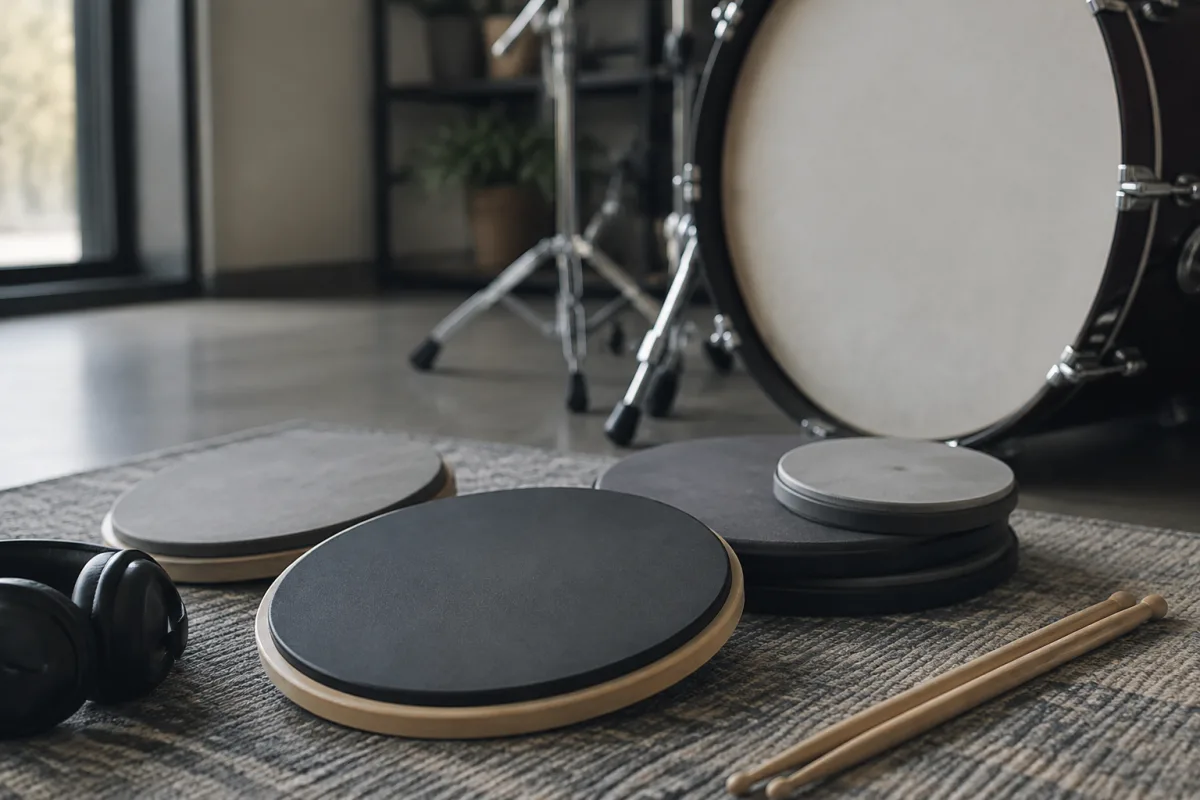
Choosing drum mutes requires understanding what type suits your specific practice needs, acoustic environment and musical style. Whether you need genuine volume reduction for neighbours or want to change your drum tones for practice and recording, I'll walk you through the practical differences between mute types, the trade-offs in tone and playability, and how to select mutes that actually solve your problem rather than creating frustration.
Understanding Why You Need Drum Mutes
Drum kits are loud instruments. In apartments, residential areas and tight practice spaces, playing at full volume is genuinely impossible without creating complaints. Drum mutes reduce volume dramatically whilst still letting you practise technique and develop rhythm independence. They're not just accessories – they're essential if you're playing drums anywhere near other people.
Beyond noise reduction, mutes change your drum's tonal character. Some players genuinely prefer the feel and sound of muted drums; it's not just a compromise solution. Recording studios often use mutes to shape drum sounds, and experienced players choose them deliberately for musical reasons as well as noise control.
Mute Types and Their Characteristics
Different mute styles produce remarkably different results. Understanding each type helps you choose appropriately for your situation.
| Mute Type | How It Works | Volume Reduction | Best For |
|---|---|---|---|
| Mesh heads | Woven fabric replaces your regular drum head | 60–70% | Practicing technique, developing feel, apartment playing |
| Mute pads | Separate pads sit on top of drum heads | 40–60% | Quick conversions, maintaining tone while reducing volume |
| Dampening rings | Rings or clips reduce head vibration | 20–40% | Fine-tuning tone, subtle volume reduction |
| Towel/blanket method | Fabric placed inside drum shell | 50–60% | Emergency solutions, budget-friendly options |
Mesh Heads: The Serious Option
Mesh heads are woven synthetic material that replaces your regular drum heads entirely. They reduce volume significantly whilst maintaining responsive playability. Professional drummers use mesh heads for serious practice because the playing feel stays closest to actual drum heads.
Mesh heads cost more than other mutes (typically £40–£80 per head), but they last years of regular use. You'll need separate mesh heads for each drum you want to mute – so a full kit's worth gets expensive. However, when noise reduction is genuinely essential, mesh heads are worth every penny.
The tone sounds dead and synthetic compared to real heads, but your technique development doesn't suffer. Dynamics, control and speed all improve normally with mesh practice. Some experienced players genuinely prefer how mesh heads feel.
Mute Pads: The Practical Choice
Mute pads sit on top of your existing drum heads, offering immediate volume reduction without replacing heads. They're genuinely brilliant for quick practice sessions because you swap between normal and muted playing in seconds.
Quality mute pads reduce volume adequately (typically 40–60%) whilst maintaining enough playing response that your technique doesn't suffer. Budget pads feel dead and make playing genuinely unpleasant; investing in better pads (£25–£50 per pad) makes practice much more enjoyable.
One significant drawback: mute pads are separate objects that can slip, shift during playing or get misplaced. They're brilliant for flexible practice but less convenient than permanent mesh heads if you're muting your kit constantly.
Dampening Rings and Fine-Tuning Options
Dampening rings, clips and mounting systems offer subtle volume reduction without aggressive muting. They're perfect if you want to keep your drums sounding recognisably like drums whilst reducing overall volume slightly.
These work brilliantly when noise reduction is mild (reducing volume by 20–40%) and you want your drums to sound natural. They're cheap options (£10–£30 per drum) and practically invisible during playing.
The Towel Method: Budget and Compromise
Placing towels or blankets inside your drum shells offers volume reduction without buying specialized equipment. This genuinely works for emergency situations and produces moderate muting (50–60% reduction).
The downside: you're experimenting blindly with thickness and material, the drum's resonance becomes muffled and lifeless, and you're limited in quick adjustments. It's a temporary solution, not a long-term practice setup.
Common Purchasing Mistakes
Don't assume cheaper mutes work adequately. Budget pads often feel so dead that practising becomes genuinely unpleasant. Invest in better quality – the improved feel means you'll actually use them rather than avoiding muted practice.
Don't mute every drum in your kit unless noise reduction is desperate. Muting just kick drums and toms, leaving snares normal, maintains your playing feel better than full muting. Experiment with partial muting first.
Avoid assuming mesh heads immediately solve your problem. They reduce volume significantly, but neighbours will still hear you playing. Mesh heads help but aren't soundproofing – they're noise reduction, not elimination.
Don't buy mesh heads without confirming they fit your drum sizes. Mesh heads come in specific sizes; wrong sizes don't fit properly and create installation frustration.
Combining Mutes With Practice Environment
Mutes work best when combined with practical environment choices. Practising in a corner away from shared walls helps. Placing carpet or bass traps under your kit reduces resonance transmission. These practical choices plus mutes make serious noise reduction actually possible.
Making Your Final Decision
Choose drum mutes based on your noise reduction needs and how often you'll use them. Mesh heads suit daily serious practice. Mute pads work for flexible practice sessions. Dampening rings maintain natural tone with mild reduction. Budget constraints might require the towel method, but invest in proper mutes when possible – they genuinely change your practice experience. For detailed information about drum tuning and practice techniques, check our complete guide to drum mutes.


Comments