


Drum Hardware article
The Ultimate Guide to Drum Hardware Parts
Drum hardware is often overlooked by many drummers, yet quality components are essential for tuning stability, resonance, and overall kit performance.
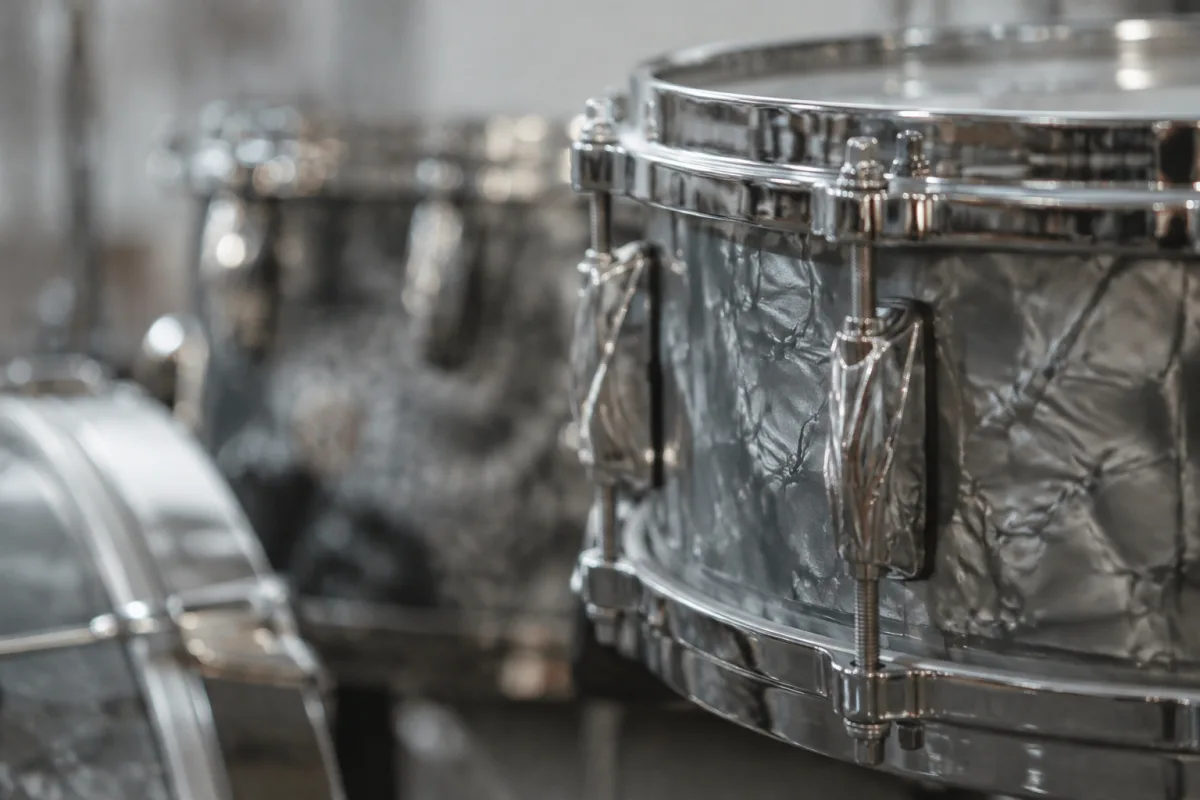
Drum hardware forms the backbone of any percussion setup, yet many drummers overlook its importance when assembling a kit. Quality components keep your drums in tune, stable, and sounding great. Understanding the different parts of your equipment and how they affect tone will transform your approach to setup and maintenance.
What Is Drum Hardware?
Drum hardware encompasses all the metal components that hold your drums together, position them, and allow adjustment. This includes stands, mounts, lugs, tension rods, and mounting systems. These components serve both functional and sonic roles—poor quality construction adds unwanted dampening and vibration loss, whilst quality drum hardware transfers maximum resonance through the kit.
The equipment you choose affects playability, durability, and ultimately your drum sound. Many experienced drummers say that upgrading these components is one of the most impactful upgrades they can make.
Key Hardware Components
Lugs
Lugs are the metal fittings that attach components to the shell. They house the tension rods and provide mounting points for stands and accessories. Quality drum hardware lugs are precisely machined to ensure even tension distribution and minimal shell deformation. Cast lugs are heavier and dampen more; machined versions offer greater resonance.
Tension Rods and Lug Bolts
These small but critical components control drum tuning. Tension rods screw into lugs, and adjusting them tunes the drum head. Quality equipment includes smoothly threaded rods that won’t strip or stick. Ball-end tension rods, common in modern designs, provide consistent tuning feel and durability.
Bearing Edges
The bearing edge is where the drum head contacts the shell. Though not strictly hardware, the shape of these edges (reinforced by shell design) profoundly affects tone. Sharp bearing edges brighten sound; rounded edges dampen it. Most manufacturers machine these with precision tolerances.
Tom Holder and Stand Systems
Modern equipment typically uses either clamp systems or threaded tube mounts to hold toms. Clamp-style components allow fast angle adjustment; tube-mount systems feel more secure at the expense of flexibility. Some drummers prefer the tonal properties of tube mounts, claiming they transmit fewer vibrations than clamps.
Bass Drum Spurs
Bass drum components include spurs—retractable feet that prevent the drum from sliding. Quality equipment spurs grip the floor firmly without damaging it. Felt or rubber tips protect hardwood floors. Some drummers use stabiliser bars across multiple spurs for added control.
Types of Hardware Systems
Traditional Lugged Kits
Most acoustic kits feature visible lugs holding the shell together. This traditional design has dominated for decades and remains popular because it works reliably and allows customisation. Vintage equipment from the 1960s and 1970s often featured larger, more decorative lugs.
Tube-Lug and Die-Cast Systems
Modern equipment often uses tube lugs or die-cast components. Die-cast lugs are lightweight yet rigid, preferred by manufacturers seeking reduced weight. Tube-lug systems offer a middle ground between traditional casting and modern precision.
Spoke-and-Hole Systems
Some boutique manufacturers use alternative designs with spoked shells or other innovations. These specialised approaches aim for maximum resonance by minimising mass and dampening. They typically cost significantly more than traditional options.
Stands and Mounting Systems
Cymbal Stands
Cymbal stands are crucial components that position cymbals for playing and resonance. Three-legged stands are standard; boom stands (mounted via fixtures) offer compact setups. Height and angle adjustment in quality equipment makes the difference between a rigid, pinched cymbal sound and a full, resonant one.
Snare Stands and Racks
Snare drum mounting via standalone stands or rack systems affects snare response. Isolation in quality components prevents the snare from coupling vibrations with other kit parts. Some drummers swear by traditional stand-mounted snares; others prefer rack-mount systems for consistency.
Drum Racks
Rack systems represent advanced design, clamping all drums and cymbals to a central frame. Integrated racks offer convenience, compact footprints, and, in theory, isolation. The trade-off is complexity and the perception (debated by drummers) that racks can reduce sustain compared to individual stands.
Materials and Construction
Steel vs. Aluminium vs. Cast Iron
Hardware materials affect weight, durability, and tonal characteristics. Steel components are durable and classic; aluminium is lightweight but can flex under load; cast iron (found in vintage kits) is heavy and resonant. Most modern equipment balances these properties using steel with aluminium components where weight reduction helps.
Chrome, Nickel, and Powder Coat Finishes
Finishes affect durability and appearance. Chrome plating looks pristine but requires maintenance. Nickel-plated components resist tarnish better than chrome. Powder-coat finishes (common on modern equipment) offer durability without high-gloss upkeep. Satin finishes provide a contemporary look whilst hiding fingerprints better than polished surfaces.
The Tonal Impact
Quality drum hardware influences tone more than many drummers realise. Tighter, more precisely machined components reduce internal dampening. Lighter construction (particularly in lugs and mounts) allows fuller resonance. Heavier hardware provides more control but trades some sustain for stability.
Conversely, budget equipment with loose tolerances, inferior materials, and heavy dampening can throttle even the finest drum shells. Upgrading components on an old drum kit can restore tone that seemed lost.
Common Issues and Solutions
Stripped Tension Rods
Worn tension rod threads are inevitable with heavy tuning. Quality components replace these inexpensively. Always use ball-end rods and turn smoothly to prevent stripping. Some drummers prefer lug-mounted versus thread-in approaches for this reason.
Loose Lugs and Rattles
Lugs loosen over time, creating buzzes and rattles. Regular tightening of lug bolts prevents this. Many drummers recommend monthly inspection, especially before important gigs.
Corrosion and Tarnish
Chrome can tarnish; unpainted steel can rust. Store equipment in dry environments. Some drummers apply light machine oil to steel components to prevent oxidation.
Maintaining Your Equipment
Regular maintenance extends the life of drum hardware and maintains tone. Wipe down components after playing to remove sweat and moisture. Check all bolts monthly. Clean chrome with a soft cloth and mild soap; avoid harsh chemicals that damage finishes. Keep everything dry to prevent corrosion.
Periodically apply thread-lock compound (removable type) to bolts to prevent them from loosening during play. This simple step keeps everything tight and eliminates unwanted buzzes.
Budget vs. Premium Components
Entry-Level Equipment
Budget options work but include thicker castings, looser tolerances, and heavier dampening. Entry-level components typically use simple clamps and basic lug designs. For beginners, these suffice, but the tonal trade-off becomes apparent as your playing improves.
Mid-Range Equipment
Mid-range components from established brands offer reliability and reasonable tonal performance. These kits include better lugs, smoother tension rods, and improved finishes compared to entry-level options. Mid-range equipment strikes a balance between cost and quality.
Premium Components
Premium equipment emphasises precision machining, lightweight construction, and exotic finishes. Boutique components from premium makers can cost several times more than mid-range options. The investment pays off through superior tone, easier tuning, and exceptional durability in professional-grade equipment.
Upgrading Your Existing Drums
You don’t need a new kit to benefit from better hardware. Many drummers upgrade components on existing shells. Replacing lugs, tension rods, or mounting systems can transform an old kit. Some drummers focus on upgrading the snare drum hardware first, as this component is tuned most frequently and benefits most from precision construction.
Sourcing replacement parts can be challenging for vintage kits, but specialist suppliers carry components for classic brands. Consider consulting with a drum tech before extensive retrofitting.
Conclusion
Drum hardware deserves respect as a critical component of your kit’s sound and playability. Quality components improve tuning stability, enhance resonance, and last through decades of playing. Whether you’re assembling a new kit or maintaining an old one, prioritise solid construction. Pay attention to lug quality, tension rod smoothness, and overall construction standards. Invest in equipment from established brands that specialise in precision manufacturing. Your drums will thank you with better tone, easier tuning, and years of reliable performance.






Comments