


Cymbal Pack article
Cymbal Pack for Beginners: A Complete Guide
Overwhelmed by cymbal options? This beginner's guide covers cymbal pack essentials: sizes, materials, budget levels, and first-week tips to start playing with confidence.
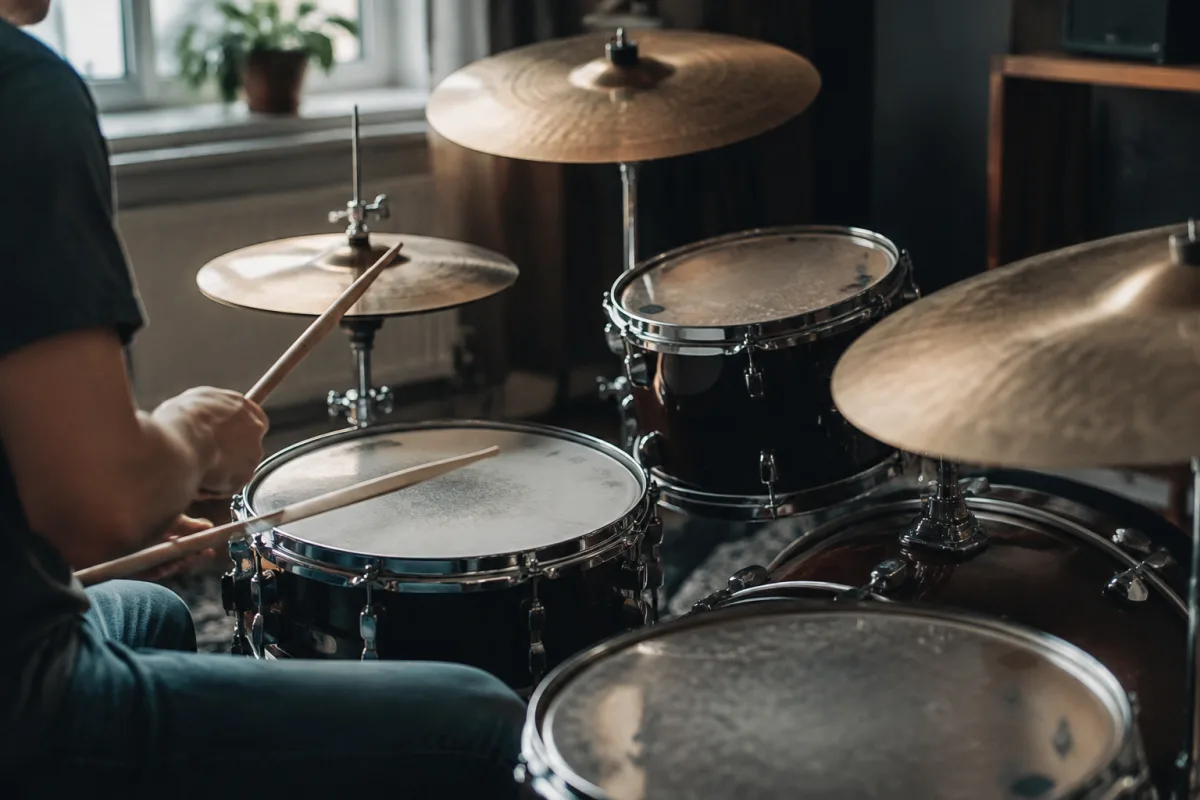
Starting drums? You'll quickly discover that a cymbal pack is non-negotiable—but the prospect of choosing one can feel overwhelming. All those sizes, brands, and finish options. This guide demystifies cymbal pack selection for nervous beginners, showing you exactly what you need and how to avoid expensive mistakes before you've even played your first beat.
Why Your First Cymbal Pack Matters
Cymbals are where beginners hear the most dramatic difference between quality levels. A cheap cymbal pack sounds thin and tinny—it doesn't inspire practice. A decent cymbal pack responds beautifully to your technique and sounds musical at every volume. The good news? You don't need expensive cymbals to start. You need the right cymbal pack for your budget and practice needs.
Most successful drummers started with a modest cymbal pack, practiced obsessively, then upgraded once they understood their personal sound preferences. You'll do the same.
Understanding Cymbal Pack Sizes: What You Actually Need
A typical beginner cymbal pack includes three basic cymbals, each with specific jobs:
Hi-Hats (13-14 inches)
The workhorse cymbal in any cymbal pack. You'll play them constantly in every song. Hi-hats create the rhythmic texture that drives grooves. In your cymbal pack, these are the cymbals you operate with a foot pedal, creating open and closed sounds by controlling the pedal.
Crash (16-18 inches)
Your emphasis cymbal. When you need volume and drama, you hit the crash. A cymbal pack typically includes one crash cymbal. As you grow as a drummer, you might add more crashes, but one is sufficient initially. Start with 16 inches if your cymbal pack offers a choice—it's versatile.
Ride (20 inches)
The subtler cymbal in your cymbal pack, primarily for jazz and detail work. A 20-inch ride divides sound depending where you hit it—bright at the edge, warm on the bell. Your beginning cymbal pack might omit a dedicated ride, using the crash for both purposes. That works fine.
Cymbal Pack Sizes: Starting Configuration
Most beginner cymbal pack options come as 14" hi-hats + 16" crash + 20" ride. This combination is forgiving and musically satisfying:
- 14" hi-hats: Bright, crisp, perfect for learning dynamics. Standard in every cymbal pack.
- 16" crash: Cuts through without being overwhelmingly loud. Ideal for apartments and studios.
- 20" ride: Warm, versatile, useful across multiple genres. Sometimes omitted from budget cymbal pack sets.
If your cymbal pack lacks a ride cymbal, you can add one later. Start with this core configuration.
Cymbal Pack Material and Sound Quality
All cymbals are brass alloys, but composition varies. When evaluating a cymbal pack, here's what matters:
B8 Bronze
The most budget-friendly option in a cymbal pack, containing 92% copper and 8% tin. B8 cymbals sound slightly darker and less responsive than premium alloys. A cymbal pack featuring B8 is perfectly acceptable for beginners—you'll hear the difference only after playing premium cymbals.
B20 Bronze (Premium)
Contains 80% copper and 20% tin. B20 cymbal pack cymbals sound warmer, more nuanced, and respond more sensitively to technique. They're the professional standard. When starting, B20 feels unnecessary—but if budget allows, it's an upgrade you'll never regret.
PST (Paiste Sourced Tin)
An intermediate option bridging budget and premium. A PST cymbal pack offers character beyond basic B8 without the B20 price tag. Many advancing beginners prefer this tier.
Common Cymbal Pack Mistakes to Avoid
These pitfalls trip up nervous drummers choosing their first cymbal pack:
Buying Too Large
Bigger cymbals feel impressive but are harder to control. A beginner cymbal pack with 18" hi-hats is unnecessarily challenging. Start with 14" hi-hats as your cymbal pack includes. You can upgrade later.
Cheap Cymbal Pack Bundle Deals
Discount retailers sometimes bundle cymbals so cheap they sound terrible. A £150 cymbal pack might actually damage your learning—bad cymbals discourage practice. Spend at least £250-400 for a cymbal pack you'll enjoy playing.
Buying Mismatched Cymbals
Mixing cheap crash with expensive hi-hats creates tonal imbalance. A cohesive cymbal pack where all cymbals match in quality sounds superior. Commit to a brand and alloy for consistency.
Overlooking Cymbal Stands
Your cymbal pack is only as good as the hardware holding them. Cheap cymbal stands don't support weight properly and create irritating buzzing. Budget an extra £100-150 for decent stands—they're essential.
Your First Week with a New Cymbal Pack
Getting comfortable with your cymbal pack takes time:
- Spend the first session simply striking each cymbal in your cymbal pack, learning its character and resonance.
- Play gentle open and closed hi-hat exercises with your foot to understand pedal control.
- Practice crash placement—hitting the bell versus the edge creates different sounds.
- Don't push volume initially; a quiet cymbal pack teaches better control than crashing loudly.
- Record yourself after two weeks to hear your progress and appreciate your cymbal pack's sound.
Expect the first week to sound rough. That's normal. By week three, your cymbal pack will feel like an extension of your arms.
Budget Guidance When Starting a Cymbal Pack
Price varies dramatically, reflecting quality differences:
Budget Tier (£150-300)
Entry-level cymbal pack options with basic B8 bronze. Acceptable for serious learners but occasionally sounds thin. Choose here if funds are tight; you can upgrade later.
Mid-Tier (£300-600)
The ideal starting point for most beginners. A cymbal pack at this level includes quality B8 or entry-level B20, responding well to technique and sounding musical. Excellent value.
Premium Tier (£600+)
Professional-grade cymbal pack with B20 bronze and sophisticated sound character. Overkill for beginners but wonderful if budget allows. Many gigging drummers jump straight here and never regret it.
Cymbal Maintenance: Keeping Your Pack Sounding Fresh
A cymbal pack requires minimal care but benefits from attention:
- Avoid extreme temperature changes that can crack cymbals.
- Keep cymbals dry after humid playing sessions.
- Wipe down after playing to reduce oxidation (optional but extends brightness).
- Protect from dust with cymbal bags when not in use.
Your cymbal pack will darken with age and use—that's natural and doesn't affect sound quality.
Your Next Steps with Your Cymbal Pack
After three months with your cymbal pack, you'll understand your sonic preferences. At that point, you might add a second crash for variation or upgrade your ride. The foundation matters most, though. A solid beginning cymbal pack enables rapid improvement and reveals your developing style.
Start here, practice consistently, and let your ears guide future upgrades. For comprehensive information about cymbal characteristics and advanced considerations, explore the complete cymbal pack guide. But your first cymbal pack is simply the starting point—what matters most is playing them regularly and developing your voice as a drummer.


Comments