


Cymbal Pack Buying guide
Cymbal Pack: A Complete Buyer's Guide
A cymbal pack should contain cymbals you'd buy individually. This guide helps you evaluate packs, understand value, and choose wisely.
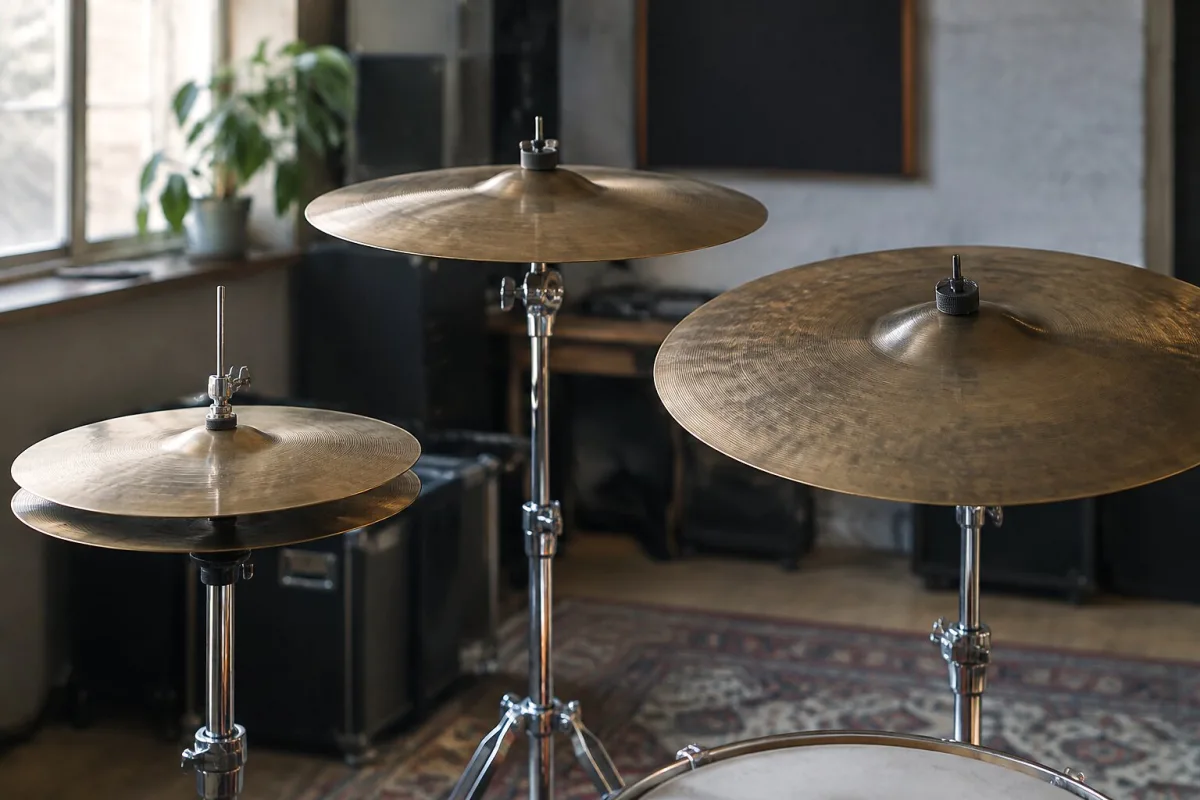
Buying a cymbal pack requires understanding which cymbals matter for your style and how much you're actually paying per cymbal. A cymbal pack bundles different sizes and types, and the value depends entirely on whether those specific cymbals fit your needs. This guide covers the specs to evaluate, common pitfalls, and how to spot whether a pack truly offers value.
What a Cymbal Pack Typically Contains
Most cymbal packs include a hi-hat pair, crash cymbals, and a ride. The most common entry-level pack contains 13-inch hi-hats, 16-inch crash, and 20-inch ride—roughly £400–£600. Mid-range packs add more cymbals or larger sizes (14-inch hats, 18-inch crash), pushing to £700–£1,200. Premium packs with 5+ cymbals can cost £1,500–£3,000+.
Understanding what you're getting matters because a cymbal pack isn't necessarily cheaper than buying cymbals individually. The discount is often only 5–15%, so the real value is convenience—you get a matched set immediately. If you have specific preferences, buying separately might be cheaper.
Key Specifications to Compare
When evaluating a cymbal pack, focus on these specs:
- Cymbal sizes. Hi-hats typically range 13–14 inches; crashes 16–18 inches; rides 20–22 inches. Smaller sizes are brighter; larger sizes are darker and project more. Verify the pack includes sizes that suit your playing volume and space.
- Cymbal weight. Light cymbals respond easily and project soft. Medium cymbals are versatile. Heavy cymbals cut through loud playing. A cymbal pack mixing weights unevenly (e.g., light crash with heavy ride) can feel unbalanced.
- Finish. Bright finish (shiny) sounds brighter; dark/traditional finish (darker appearance) sounds warmer. Cymbal packs often mix finishes; know what you're getting.
- Series designation. Zildjian A-series, Paiste PST, Meinl Classics—the series name tells you which family of sounds you're buying. Compare apples to apples: don't confuse entry-level series with premium.
- Additional items. Some cymbal packs include stands, cymbal bags, or chord straps. Calculate whether these extras add real value or are just cheap add-ons.
Common Mistakes When Buying a Cymbal Pack
- Assuming all cymbals in the pack sound good together. Manufacturers sometimes bundle mismatched weights or finishes to clear stock. Play before buying if possible—a cymbal pack might have a harsh hi-hat and dull crash that don't blend.
- Ignoring cymbal weight consistency. If crash cymbals vary wildly in weight, they'll sound disjointed. A balanced cymbal pack has cymbals that work together tonally, not just dimensionally.
- Overlooking durability. Entry-level cymbal packs often use thinner bronze. These crack more easily and don't hold up to aggressive playing. For professionals, mid-range or better is worth the cost difference.
- Not factoring in hidden costs. Stands (£30–£100 per cymbal), cymbal bags (£50–£150), and potential repairs or replacements can add significantly to your investment. Budget accordingly.
- Buying based on brand name alone. A well-known brand's entry pack might be lower quality than a mid-range pack from a competitor. Compare specs, not just logos.
Price Tiers Explained
- Entry-level (£400–£700). Good for beginners. Decent sound quality, thinner cymbals, limited tonal complexity. Fine for learning; many players upgrade within 2–3 years.
- Mid-range (£700–£1,200). The best value for serious hobbyists and semi-pros. Thicker cymbals, better tone, more durable. A mid-range cymbal pack often serves a player for years without needing replacement.
- Premium (£1,200+). Professional cymbals, hand-selected, superior tonal complexity. Worth the investment if you're performing regularly or recording.
Where to Buy and What to Check
Music shops let you audition before buying—often worth traveling for because cymbal sound is deeply personal. Online retailers offer discounts but no audition. Used cymbal packs can be 30–50% cheaper, but inspect for cracks, warping, or discoloration before committing.
Before finalising any purchase, verify the manufacturer's model number matches what's advertised. Cymbal packs sometimes ship different specifications than listed, especially in discount chains.
Questions Before You Buy
- Do I prefer bright or dark cymbal tone? Does this pack match my preference?
- Will I play loud stages or intimate venues? Are these cymbals appropriate for my typical volume?
- Am I committed to this brand's sound, or willing to upgrade specific cymbals later?
- Have I auditioned these exact cymbals, or buying on spec alone?
- Is the discount vs. buying separately meaningful (more than 10–15%)?
Making Your Choice
A cymbal pack succeeds when it contains cymbals you'd buy individually. If you're assembling your first kit, a matched pack is the easiest path. If you have strong tonal preferences, you might be happier buying cymbals one at a time. Either way, audition before committing. Cymbals are deeply personal—the "best" pack is the one that sounds right to you.


Comments