


7 Inch Vinyl Storage article
7 Inch Vinyl Storage for Beginners: A Complete Guide
Protecting 7 inch vinyl requires proper storage conditions. This beginner's guide covers temperature, humidity, storage orientation, and protective sleeves preserving your record collection.
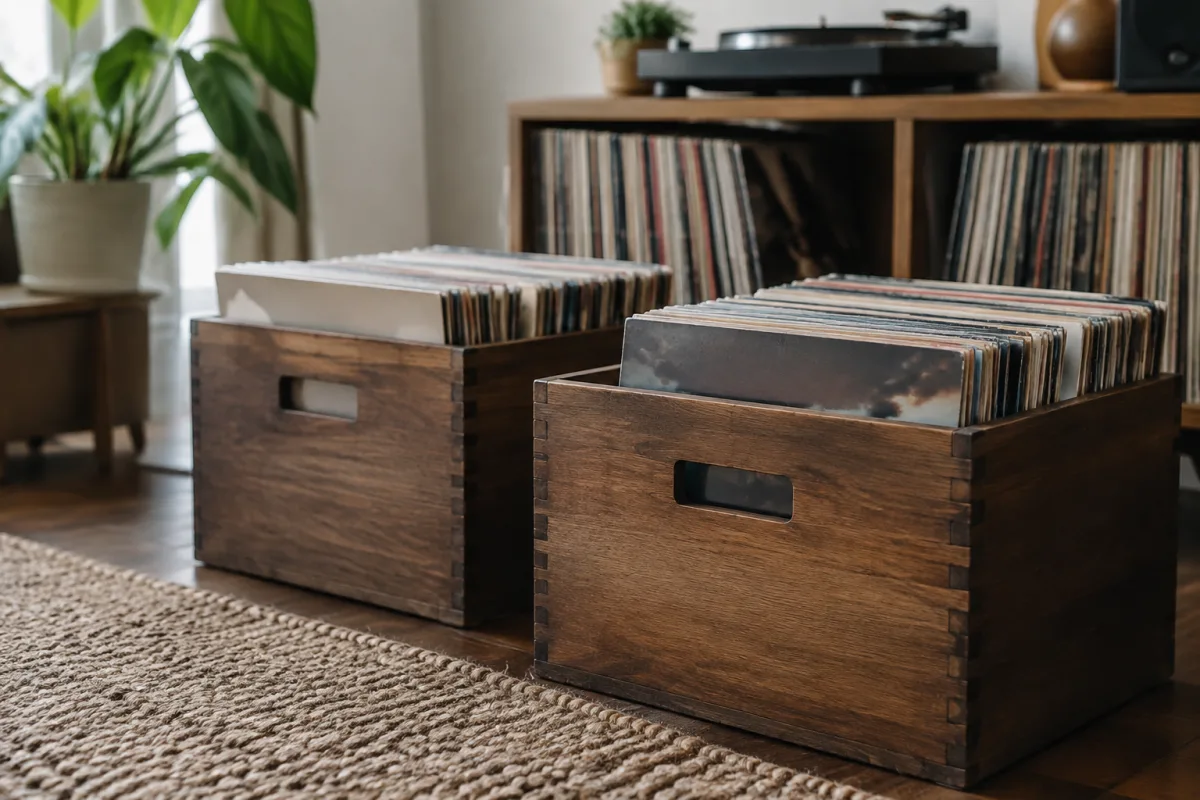
Vinyl records experience a renaissance among collectors, DJs, and music enthusiasts, yet proper 7 inch vinyl storage requires deliberate care preventing premature deterioration. Whether you're beginning a record collection, inheriting vintage singles, or simply protecting records you already own, understanding storage principles preserves your music for decades whilst maintaining playback quality. This beginner's guide addresses common concerns—whether special storage is truly necessary, what threatens vinyl longevity, and how to store 7 inch records protecting them from damage—revealing that proper storage needn't be expensive or complicated, merely intentional.
Understanding Vinyl Deterioration and Storage Threats
Vinyl records face multiple threats compromising playback quality and longevity. Heat warps vinyl, permanently distorting the groove structure that contains audio information. Moisture causes mold growth and swelling that damages both record and sleeve. Direct sunlight degrades vinyl through oxidation and heat exposure. Dust accumulates in grooves, causing increased surface noise during playback. Physical pressure—records standing upright under excessive weight—gradually warps records. Inappropriate storage conditions accelerate all these deterioration processes. Understanding these threats contextualises why proper 7 inch vinyl storage matters for preserving your collection's value and playability.
Climate Considerations: Temperature and Humidity
Ideal vinyl storage conditions maintain stable temperatures between 60–70°F and relative humidity between 40–60%. Attics—often excessively hot and prone to temperature fluctuation—present terrible storage locations. Basements provide stable temperatures but frequently suffer moisture problems. Interior closets often offer surprisingly good conditions: temperature stability, darkness, and reasonable humidity levels. Avoiding extreme conditions matters more than achieving laboratory perfection. Most homes can accommodate vinyl-friendly storage in modest interior spaces without specialised climate control equipment. Avoiding basements prone to flooding and attics prone to heat preserves records effectively.
Storage Orientation: Vertical Versus Horizontal
Contrary to intuition, standing vinyl records vertically (like books on a shelf) causes less warping than laying them horizontally. Vertical storage distributes weight to just the bottom record, reducing pressure on individual records. Horizontal stacking concentrates weight on lower records, potentially causing gradual warping. However, extremely crowded vertical storage—where records lean or bend—can cause other damage. Optimal vertical storage involves upright record crates or milk crates allowing records to stand without excessive pressure. Supporting records with dividers prevents leaning or bending. If forced to store horizontally, do so briefly and minimise stack height, rotating records occasionally to distribute pressure differently.
Protective Sleeves and Inner Sleeves
Original paper sleeves, whilst charming, offer limited protection against dust and environmental damage. Replacing paper inner sleeves with archival plastic sleeves prevents direct paper contact with vinyl surfaces—paper can scratch and degrade grooves over time. Outer sleeves (typically plastic covers) protect cardboard from dust and moisture. Replacing deteriorated outer sleeves with polyester replacements extends protection. However, avoid PVC-based plastics which release acetic acid over time, damaging vinyl. Quality archival sleeves made from polypropylene preserve records far better than original paper alternatives. This single upgrade—replacing inner sleeves with archival plastic—dramatically improves long-term storage quality without excessive cost.
Storage Containers and Shelving Solutions
Purpose-built vinyl storage crates provide excellent organisation and protection, typically costing £20–£100 depending on size and material. Wooden storage boxes offer aesthetic appeal whilst protecting records from light and environmental exposure. Standard shelving works adequately provided records stand vertically with support dividers. Avoid metal shelving prone to rust that could damage records. Milk crates—whilst humble—provide surprisingly effective storage when records stand vertically. The key consideration is preventing horizontal stacking and supporting records against leaning or bending. Expensive specialist storage isn't necessary; functional storage protecting records from pressure, heat, and moisture suffices perfectly.
Accessibility Versus Preservation Balance
Ideal storage balances record preservation with accessibility. Frequently played records deserve easier access than rarely-played collection items. Storing played records separately from collection pieces prevents unnecessary handling of valuable or fragile records. Rotating frequently-played records—literally rotating their position to distribute stylus wear—preserves groove integrity by preventing repetitive wear patterns on identical groove sections. This thoughtful approach protects valuable records whilst maintaining access to regularly-enjoyed music.
Cleaning and Maintenance Before Storage
Storing dirty records traps particles that cause surface noise and potentially damage grooves during subsequent play. Cleaning records before long-term storage using soft-bristled brushes or proper record cleaning equipment removes harmful dust. Proper cleaning equipment isn't essential; gentle cleaning with quality microfibre cloths removes most surface dust effectively. Never use rough materials or harsh chemicals which damage vinyl. Storing clean records versus dirty ones dramatically affects storage quality and future playback quality.
Avoiding Common Storage Mistakes
Beginners frequently store vinyl improperly, undermining collection preservation. First, never store records in uncontrolled spaces like uninsulated sheds or garages prone to temperature swings. Second, avoid stacking records horizontally for extended periods; vertical storage reduces warping risks substantially. Third, don't use deteriorated original sleeves alone for protection; upgrade to archival inner sleeves. Fourth, avoid PVC-based storage materials releasing harmful acids. Finally, resist storing records in damp basements without moisture control; proper climate matters for preservation.
Handling Records Properly During Storage Access
Even properly stored records require careful handling preventing damage during retrieval and return. Always handle records by edges, never touching the playing surfaces directly. Always return records to their sleeves immediately after playing, not leaving them exposed. Replace damaged sleeves promptly, preventing further deterioration. These simple handling practices combined with proper storage conditions preserve vinyl for decades of enjoyment.
Long-Term Storage Versus Active Collection
Records intended for long-term storage without regular play deserve different treatment than active collection records. Inactive records benefit from even more conservative conditions—lower temperatures, tighter humidity control, darkness. Records stored in climate-controlled storage facilities specifically designed for vinyl preservation deserve professional handling. Conversely, regularly-played records can tolerate slightly more liberal conditions provided temperature remains stable and humidity reasonable. Tailoring storage approach to your intended usage patterns optimises preservation for your specific situation.
Making Your Storage Decision
Proper 7 inch vinyl storage needn't involve expensive specialist equipment or laboratory conditions. Simple principles—stable temperature, reasonable humidity, vertical storage with support, archival sleeves, and dark, dust-free environments—preserve vinyl effectively in home spaces. Your collection's value and playability directly depend on storage quality; investing time and modest resources in proper storage proves worthwhile. Whether protecting inherited vintage singles or preserving contemporary vinyl, understanding and implementing proper storage principles ensures your records remain enjoyable for decades. Visit our complete guide to 7 inch vinyl storage for detailed storage solutions and preservation techniques.


Comments