


7 Inch Vinyl Storage Buying guide
7 Inch Vinyl Storage: A Complete Buyer's Guide
Complete guide to choosing 7 inch vinyl storage. Learn about capacity, protection features, environmental considerations, and avoid common mistakes.
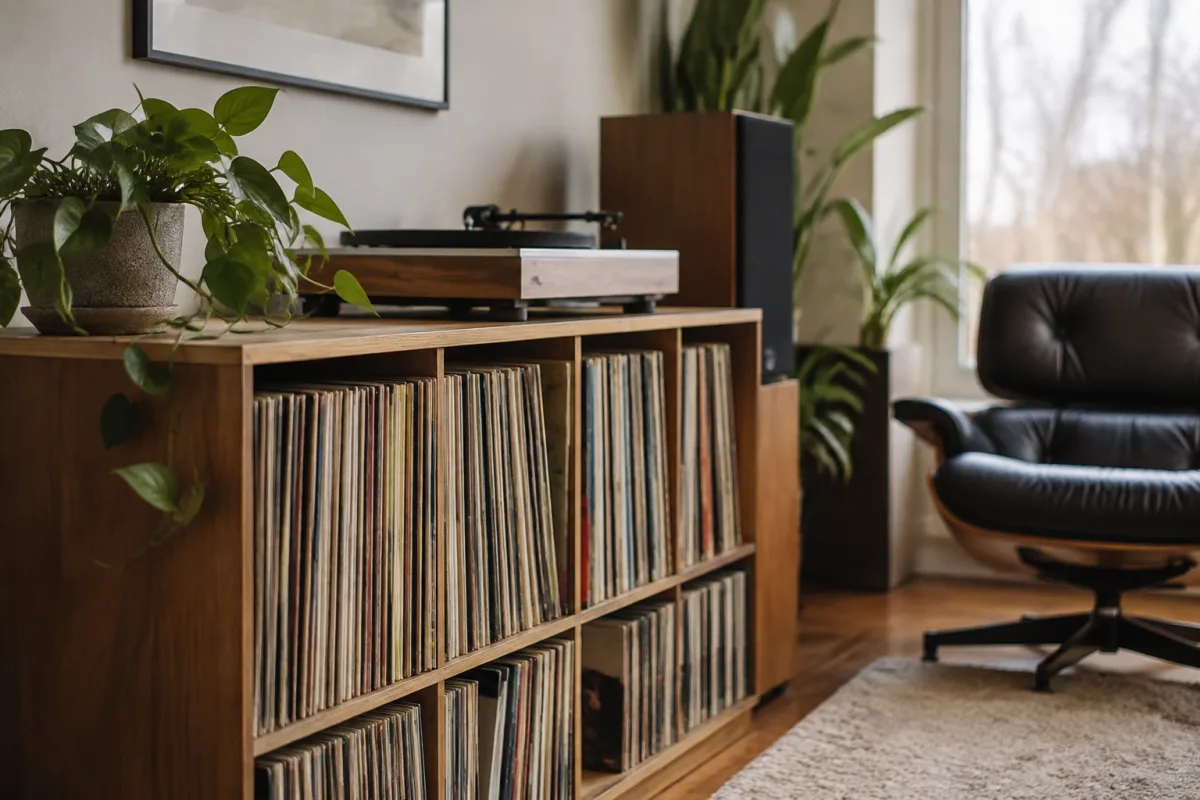
Collectors and DJs who specialise in seven-inch singles require dedicated organisational solutions that protect their vinyl whilst maintaining accessibility and aesthetic appeal. Choosing appropriate storage for your collection demands consideration of space constraints, protection standards, organisational systems, and long-term preservation. This buying guide examines the various options available for those seeking to house and display their seven-inch recordings, from budget-conscious solutions to premium archival systems that prioritise condition preservation above all else.
Understanding Storage Options and Materials
Several distinct storage approaches serve the needs of seven-inch vinyl collectors, each presenting unique advantages and limitations. Wall-mounted display solutions showcase your collection aesthetically whilst occupying minimal floor space, ideal for those with limited room but maximum decorative ambitions. Freestanding units provide flexibility for arrangement and relocation whilst offering more substantial storage capacity than wall alternatives.
Material selection significantly impacts both durability and aesthetic presentation. Wood construction offers traditional appeal and structural strength, though quality varies considerably across price tiers. Steel-framed solutions provide industrial durability with modern styling. Plastic options deliver affordability and lightweight portability, though they lack the longevity of premium materials.
Key Specifications and Capacity Considerations
Storage capacity represents the most fundamental specification when evaluating solutions. A standard storage unit accommodates approximately 50-100 seven-inch records depending on shelf spacing and configuration. Measure your current collection and project realistic growth before selecting a system, as undersized purchases prove frustratingly restrictive within months.
Shelf depth requires careful assessment; seven-inch records measure approximately 17-18 centimetres, so shelves must accommodate this dimension comfortably whilst preventing accidental overhang or instability. Adjustable shelving permits customisation for different organisational approaches or mixed record sizes if your collection spans multiple formats.
Access and organisation systems differentiate practical storage solutions from merely functional alternatives. Vertical orientation preserves record condition most effectively and permits rapid browsing through alphabetical or categorical systems. Horizontal stacking, whilst space-efficient, increases wear on lower records from weight pressure and encourages dust accumulation.
Climate Control and Preservation Factors
Proper environmental conditions extend record longevity considerably beyond casual neglect scenarios. Temperature stability matters significantly—avoid locations subject to extreme fluctuations or direct sunlight exposure that degrades vinyl and fading disc labels. Humidity control prevents warping and mould development, necessitating indoor storage away from bathrooms and kitchens where moisture levels fluctuate.
Dust protection represents another critical consideration for serious collectors. Solutions incorporating doors or covers prevent dust accumulation that degrades playback quality and damages needle tracking. Glass-fronted units balance accessibility with protective functionality, permitting visual inspection without exposing records to environmental contamination.
Installation and Spatial Requirements
| Solution Type | Floor Space Required | Wall Space Required | Typical Capacity (Records) | Installation Complexity |
|---|---|---|---|---|
| Wall-mounted shelving | None | Large (60cm+ width) | 50-150 | Moderate to high |
| Freestanding cabinet | Large | None | 100-300 | Low to moderate |
| Corner shelving unit | Moderate | Moderate | 75-200 | Moderate |
| Vertical storage crate | Small | None | 50-75 | Minimal |
Wall-mounted solutions require proper installation into wall studs or appropriate anchoring systems—inadequate fixings risk catastrophic failure and collection damage. If you're uncertain regarding installation capabilities, professional assistance ensures safe, secure positioning.
Protection Features Worth Prioritising
Several protection features distinguish premium solutions from basic alternatives. Sliding glass doors prevent dust accumulation whilst permitting visual access without requiring frequent opening. Felt-lined shelves reduce friction and prevent sleeve damage during retrieval. Anti-slip shelf surfaces prevent records sliding during transport or shelf adjustment.
Lockable cabinets prove valuable for valuable collections or households with children and pets. Safety considerations demand appropriate childproofing in homes with young occupants, and secured storage prevents accidental damage from curious handling.
Price Tiers and Value Propositions
| Price Range (GBP) | Typical Features | Best For |
|---|---|---|
| £30-80 | Basic wooden or plastic shelving, minimal features, limited capacity | Casual collectors, small collections, budget-limited buyers |
| £80-200 | Quality construction, adjustable shelving, moderate capacity, basic dust protection | Serious hobbyists, growing collections, home studio applications |
| £200-500 | Premium materials, lockable doors, glass fronts, archival features, substantial capacity | Dedicated collectors, valuable collections, professional DJs |
| £500+ | Custom designs, climate-controlled options, museum-quality materials, bespoke configurations | Serious collectors, valuable rare records, commercial establishments |
Budget solutions under £80 serve casual collectors adequately, though protection standards remain modest. Mid-range options between £80-200 offer substantially improved construction and protection features justifying the additional investment. Premium units above £200 provide dedicated collectors with professional-grade preservation and display capabilities suitable for valuable collections requiring long-term condition maintenance.
Common Purchasing Mistakes
Many collectors underestimate collection growth and select undersized storage initially. Anticipating realistic expansion prevents frustrating replacements within months. Similarly, overlooking environmental factors leads to collection deterioration despite adequate physical storage—prioritise stable temperature, controlled humidity, and dust protection equally with storage capacity.
Inadequate installation represents a serious pitfall with wall-mounted solutions. Insufficient anchoring in inadequate wall materials risks catastrophic failure and collection loss. Verify wall construction before purchasing, and hire professionals if unsure regarding installation competency.
Selecting solutions lacking proper shelving adjustment flexibility restricts future organisational modifications. Fixed-shelf units prove inflexible when collection composition changes or organisational systems evolve. Prioritise adjustable alternatives permitting future customisation.
Making Your Selection
Before purchasing, assess your current collection size, project realistic growth, and measure available space accurately. Determine whether you prioritise aesthetic display or maximum protection—these objectives sometimes compete and necessitate compromise. Consider your home's environmental conditions and whether supplementary climate control becomes necessary.
Visit retailers permitting hands-on inspection where possible, evaluating construction quality and shelf stability. Read collector forums for long-term durability reports and real-world condition maintenance experiences before finalising your purchase decision.
For broader context on record storage methods and seven-inch format considerations, consult the complete guide to seven-inch vinyl storage.
Conclusion
Selecting appropriate storage for your seven-inch vinyl collection requires balancing budget considerations against protection requirements and spatial constraints. By systematically evaluating capacity, material construction, environmental protection features, and installation feasibility, you'll identify a solution that preserves your collection whilst meeting your display preferences. Whether you invest in budget alternatives or premium archival systems, prioritising environmental control and physical protection ensures your seven-inch records maintain condition and playability for decades ahead.


Comments