


Audio Sampler article
The Complete Guide to Audio Sampler
An audio sampler records and manipulates sounds into musical building blocks. Discover sampling fundamentals, best practices, and which audio sampler suits your production.
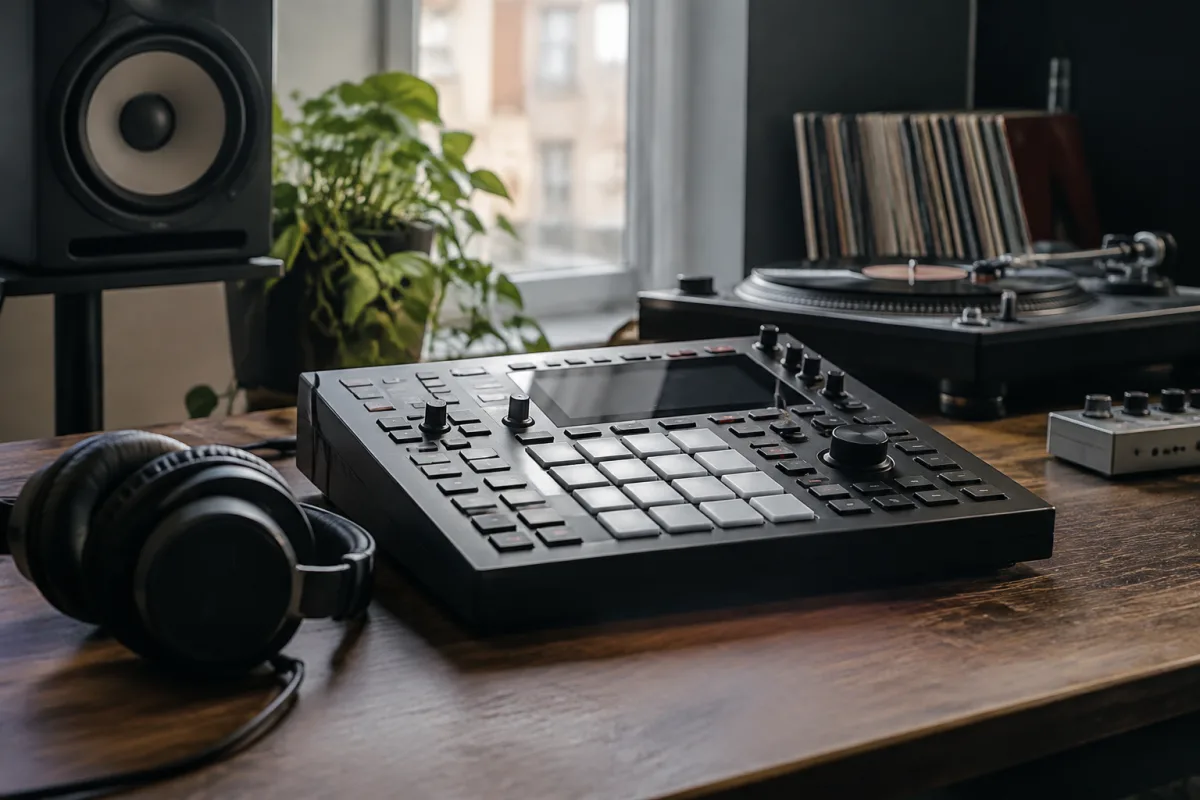
An audio sampler is a studio instrument that fundamentally changed how music is created. At its core, an audio sampler records sounds and lets you manipulate, pitch-shift and sequence them into new musical contexts. From hip-hop's foundational beat construction to electronic producers layering complex soundscapes, the audio sampler is indispensable to modern music production. Whether you're producing beats, composing film music or simply exploring sound design, understanding how an audio sampler works and what an audio sampler can do reveals why this technology has dominated production since the 1980s.
What Is an Audio Sampler?
An audio sampler is a device or software that records, edits and plays back audio samples—short recordings of any sound. With an audio sampler, you might capture a drum break, a vocal phrase, or ambient noise, then manipulate it. The audio sampler lets you transpose samples to different pitches, layer multiple samples simultaneously, and trigger samples from a keyboard. This flexibility means an audio sampler transforms raw sound into infinitely reusable building blocks.
Modern audio samplers exist primarily as software, though hardware audio samplers remain popular. An audio sampler plugin in your DAW behaves identically to classic hardware audio samplers from Akai, E-mu or Roland—they all share the same fundamental principle: capture, manipulate, sequence. The accessibility of software audio samplers means that anyone with a computer can own an audio sampler that rivals expensive 1990s hardware.
How an Audio Sampler Works
Using an audio sampler begins with recording. Route any audio source into your audio sampler—microphone, line instrument, or other track. The audio sampler captures the sound at high resolution. Once your audio sampler has recorded, editing begins. Trim the sample, adjust loop points, and set the audio sampler's playback parameters.
The power of an audio sampler emerges through pitch shifting and time stretching. Play your audio sampler across a keyboard, and pressing higher keys plays the sample at higher pitches without changing speed. The audio sampler's ability to transpose means a single drum loop becomes an entire drum kit across the keys. Time stretching in an audio sampler lets you slow or speed samples without pitch shifting—essential for fitting samples to your tempo.
Hardware Audio Samplers Versus Software
Classic hardware audio samplers like the Akai MPC or E-mu SP-1200 define hip-hop production. A hardware audio sampler offers tactile immediacy and workflow confidence. Tweaking knobs on a hardware audio sampler feels musical in ways software sometimes struggles to match. The workflow of a hardware audio sampler encourages happy accidents and creative discovery.
Software audio samplers offer unlimited samples and processing power without hardware costs. A software audio sampler plugin integrates seamlessly with your DAW. Editing in a software audio sampler is often more precise. Storage in a software audio sampler is unlimited. For serious producers, owning both approaches makes sense—hardware audio samplers for inspiration and tactile control, software audio samplers for precision and unlimited expansion.
Audio Samplers in Hip-Hop Production
Hip-hop couldn't exist without the audio sampler. Pioneering producers used hardware audio samplers to chop drum breaks into drum patterns, layer horn sections, and create entirely new compositions from recordings of existing songs. An audio sampler empowered producers without classical training to become composers. The audio sampler became synonymous with hip-hop creativity.
Modern hip-hop still relies on audio samplers, though the approach has evolved. An audio sampler might capture a vocal phrase, loop it, and process it through reverb and compression. An audio sampler running in a DAW lets producers work with thousands of samples simultaneously. The core principle—capturing sound and transforming it into something new—remains constant across decades.
Audio Samplers in Electronic Music
Electronic producers use audio samplers for sound design and texture creation. Sampling ambient recordings through an audio sampler creates atmospheric layers. Processing vocal samples through an audio sampler can create robotic, otherworldly textures. The audio sampler becomes an instrument as much as a utility.
Techno and house producers often keep an audio sampler loaded with found sounds—street noise, mechanical sounds, nature recordings. The audio sampler becomes a palette for creating distinctive sonic identity. Some of electronic music's most innovative moments emerge from creative audio sampler experimentation.
Key Features of Modern Audio Samplers
Polyphony is crucial in an audio sampler. A modern audio sampler should play many samples simultaneously without dropping voices. Classic audio samplers were limited to 6–12 voice polyphony; modern software audio samplers offer unlimited polyphony. This abundance means an audio sampler never compromises creative vision due to technical limitations.
Looping is central to audio sampler function. A good audio sampler makes loop point adjustment intuitive. Crossfading loop points prevents clicks. Time-stretching algorithms in an audio sampler should maintain audio quality even at extreme tempo changes. The best audio samplers handle these tasks invisibly.
Audio Sampler Editing and Processing
Beyond playback, an audio sampler typically includes basic editing—trimming, gain adjustment, crossfading. Many audio samplers include processing like EQ, filtering, and envelope control. An audio sampler with built-in effects reduces dependency on external processing. Some advanced audio samplers include granular processing, where an audio sampler divides samples into tiny grains and rearranges them—creating otherworldly textures impossible through conventional sampling.
Arpeggiators and step sequencers in some audio samplers add performance possibilities. An audio sampler with an arpeggiator lets you trigger complex patterns from simple keyboard presses. These performance tools distinguish creative audio samplers from simple playback devices.
Building a Sample Library
The real power of an audio sampler depends on samples available. Building a sample library means recording sounds intentionally or acquiring quality sample packs. An audio sampler is only as good as its sample collection. Experienced producers maintain years of samples organised by type—drums, vocals, atmospheres, instruments.
Many audio samplers include built-in sample libraries. Free sample packs exist online. Premium sample libraries offer carefully curated, professionally recorded samples ready for an audio sampler. Investing in quality samples for your audio sampler dramatically improves production possibilities.
Legal Considerations With an Audio Sampler
Sampling existing recordings creates legal complexity. When you sample a recording through an audio sampler, you typically need permission from both the composition copyright holder and the sound recording copyright holder. Understanding clearance is essential for professional production. An audio sampler might make creating a sample musically simple, but legally clearing samples remains complicated.
Fair use sometimes applies, but "transformative enough" standards are vague. Many producers assume that heavily processing a sample through an audio sampler into something unrecognizable avoids copyright issues—this isn't reliably true. Professional producers clear samples, amateur producers often don't.
Choosing Your First Audio Sampler
Beginners should start with free software audio samplers. Many DAWs include decent audio sampler plugins. Dedicated free audio samplers exist online. A free audio sampler lets you learn fundamentals without financial commitment. Once you understand audio sampler workflow, investing in professional tools makes sense.
Professional audio samplers range from £50–500. Budget audio samplers are often feature-light but sufficient for learning. Mid-range audio samplers offer enough power for serious production. Premium audio samplers add workflow refinement and specialised features. An audio sampler choice should match both budget and intended use—a beat maker and a film composer have different audio sampler needs.
The Future of Audio Samplers
Audio samplers continue evolving. AI-powered audio samplers can recognise samples automatically and suggest processing. Machine learning audio samplers might suggest relevant samples from a library. Spectral processing audio samplers manipulate frequency content in unprecedented ways. These innovations maintain the audio sampler as a central production tool.
The audio sampler remains fundamental to modern music creation. From bedroom producers to professionals, an audio sampler is an essential tool for capturing, manipulating and sequencing sound. Whether you're building beats, composing orchestral music, or creating experimental soundscapes, an audio sampler opens creative possibilities that remain unmatched by any other production tool.


Comments