


DJ Equipment roundup
Dj Equipment: A Complete Buyer's Guide
The right DJ equipment depends on your actual use case and the features that matter to you. This guide breaks down what to look for in controllers, mixers, turntables and monitoring gear—and what to avoid.
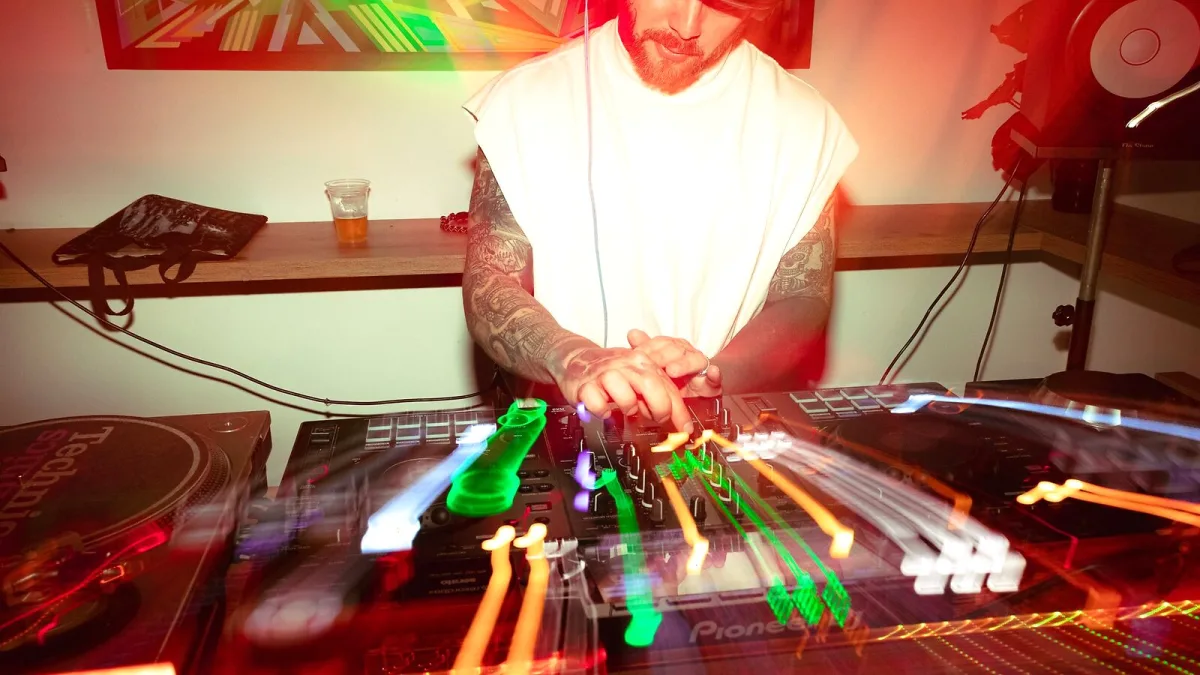
Choosing DJ equipment can feel daunting when you're faced with hundreds of options and wildly varying prices. But if you know what to look for—which features matter for your music, which you can skip, and where the real value lies—the decision becomes much simpler. Whether you're buying your first controller or upgrading to a club-standard mixer, the same principles apply: decide your use case first, then prioritise the features that support it.
Define Your Use Case
The best DJ equipment for you depends entirely on how you'll use it. Are you practising in a bedroom? Playing small venues and bars? DJing clubs? Working with vinyl exclusively or mixing digital tracks? Each scenario demands different priorities. A bedroom setup emphasizes affordability and minimal space; a mobile setup prioritizes portability and reliability; a club rig needs professional durability and integration with house sound systems.
Write down your actual use case. Not what you dream of doing—what you'll realistically be doing in the next year. This single decision eliminates about half your options immediately and keeps you from overspending on features you'll never use.
Controllers: What Specs Actually Matter
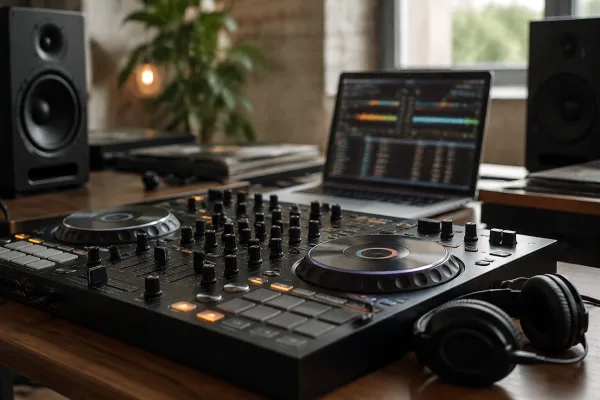
When evaluating a controller, focus on these core specs: • Channel count: Two is sufficient for standard mixing; four or more add flexibility for layering and external decks. • Jog wheels: Test them in person if possible. Size, weight and responsiveness vary dramatically. Motorised platters suit turntablists; standard jog wheels are fine for most DJs. • Faders: The channel faders and crossfader are critical. They should feel smooth but responsive, with a satisfying curve that matches your scratch style. • EQ and filters: A three-band channel EQ (high, mid, low) is standard. High-pass and low-pass filters are useful for transitions. • Headphone controls: Ensure there's an independent headphone output and a clear cue/master mix control. • Performance pads: Useful for hot cues, loops and effects, but less critical for beginners. • Audio interface: Check that the controller provides both a headphone output and balanced master outputs (or whatever your speakers expect).
Mixers and Media Players
If you're building a modular setup—separate players and mixer—prioritise mixer build quality and feature set. Key questions: How many channels? Does it have a phono input (for turntables)? What's the headphone monitoring like? Are there effects and how flexible are they? For media players, reliability and ease of navigation matter more than gimmicks; you want something you can trust in a live setting.
Expect to spend £300–£500 on a decent entry-level mixer and £200–£400 per media player. The cheapest option isn't always the best value; a slightly more expensive unit with better faders or a more intuitive interface often pays for itself through faster, more confident mixing.
Turntables and Vinyl Gear
For vinyl, buy direct-drive turntables—they're more stable for scratching and mixing. Budget £250–£800 per turntable depending on features (built-in preamp, pitch stability, platter weight). Add a quality mixer with a phono input (£300+), appropriate cartridges (£50–£200), slipmats, and a good stylus cleaning routine. Skip the cheap belt-drive turntables; they'll frustrate you and limit what you can do.
One common mistake: assuming vinyl is cheaper than digital. It's not. Vinyl equipment is often more expensive upfront, and records themselves cost money. Choose vinyl for the culture and the tactile experience, not to save money.
Headphones and Monitoring
Buy closed-back DJ headphones; they prevent audio bleed and sound isolate you from loud venues. Good DJ headphones range from £50–£300. Don't assume the most expensive are best; try them on if possible and check that they're comfortable for extended wear. Look for headphones with a good headphone cue response—that's often overlooked but critical for cueing tracks accurately.
For monitors, powered (active) speakers with built-in amplifiers work well for small rooms and mobile setups. Quality matters; cheap speakers mask problems in your mix. Budget £150–£500 for a pair of decent powered monitors that are appropriate for your room size.
Software and Licensing
Most controllers include DJ software; check whether it's a full version or a limited edition. Some software ties you to specific hardware; others are portable. Consider whether you're comfortable with that. Factor software costs into your total budget if you're building a modular system—good DJ software can cost £100–£300 upfront, though many offer free or lite versions to start with.
The Value Trap: Avoid These Common Mistakes
Don't buy all-in-one "DJ starter packs." They bundle cheap equipment that sounds poor and feels worse. Spend your money on one solid piece—a good mixer or controller—and build around it gradually.
Don't prioritise brand prestige over actual usability. "Professional" equipment is professional because it's built to last and performs reliably—not because of the logo. Unknown brands can be excellent value; well-known brands sometimes overprice based on reputation alone.
Don't overlook the small stuff: quality XLR cables, sturdy cable management, stands that hold equipment securely. These cost little but transform how professional your setup looks and feels.
Conclusion
Smart purchasing comes down to understanding what you actually need, testing equipment before you buy if possible, and prioritising reliability and feel over flashy features. Start with solid fundamentals—a dependable mixer or controller, good headphones, decent monitoring—and upgrade gradually as your needs clarify. Your future self will appreciate equipment chosen thoughtfully rather than impulsively.



Comments