


Vinyl Record Slipmat article
Vinyl Record Slipmat for Beginners: A Complete Guide
Getting into DJing? Learn what a vinyl record slipmat does, how to choose one, and how to avoid common beginner mistakes.
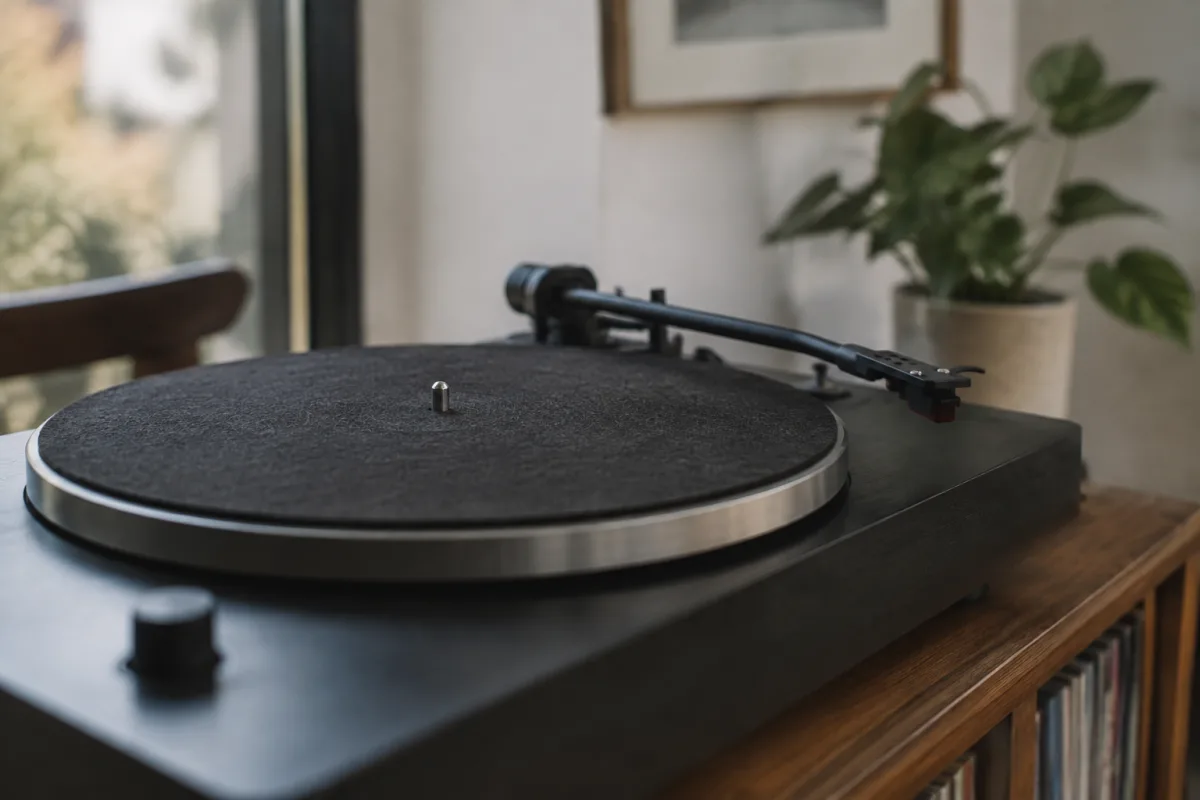
If you're just getting into DJing or have picked up your first turntable, you've probably wondered about vinyl record slipmats. They might seem like a small detail, but a good vinyl record slipmat makes a genuine difference to your mixing comfort and your turntable's longevity. This guide walks you through everything a beginner needs to know—without the jargon or unnecessary complexity.
What a Vinyl Record Slipmat Does
A vinyl record slipmat sits directly on your turntable's platter, between the metal surface and your vinyl record. Its main job is to create a slippery surface so records move smoothly under the stylus without the entire platter rotating. This is essential for DJing, where you need to back-cue records, nudge the pitch, and manipulate track position with precision. Without a slipmat, your record and platter would spin as one unit—killing any chance of beat-matching or creative scratching.
Think of it like the difference between pushing a box across bare concrete versus sliding it across a sheet of ice. The slipmat lets you move your vinyl independently whilst the platter does its own thing underneath.
Don't Stress—Getting Started Is Easy
You don't need an expensive, fancy vinyl record slipmat when you're starting out. Your first slipmat just needs to be reasonably made, sit flat on your platter, and give you consistent grip. Many turntables come with a basic slipmat included—if yours did, it's fine for learning. Spend your money on learning to mix properly before worrying about upgrading to a premium vinyl record slipmat.
Most beginners purchase a vinyl record slipmat for £8–£20 and are perfectly happy. They work, they feel good, and they last years with normal care.
Types of Vinyl Record Slipmats: What Matters to You
Vinyl record slipmats come in three main varieties, each with a practical trade-off:
- Standard Felt Slipmats. The most common type, usually black felt over a rubber base. They offer reliable slip and grip balance, suit most turntables, and cost very little (£8–£15). A felt slipmat is your best bet as a beginner.
- Rubber or Control Slipmats. Made from rubbery materials that grip more than felt, these reduce slip and give you more direct control over the record's position. Some DJs prefer them for scratching or precision cue-point work. They're a bit more expensive (£15–£30) and suit intermediate players who know what they like.
- Specialty/Designer Slipmats. Branded or custom-designed vinyl record slipmats with artwork or unique materials. They look cool and work fine, but don't improve your mixing—they're about personality. Save these for later if budget is tight.
As a beginner, a standard felt slipmat is the sensible choice. You'll learn the fundamentals, understand what feel you prefer, and spend just enough money to not feel wasteful if you later want to try something different.
How to Install Your Vinyl Record Slipmat (It's Genuinely Simple)
Here's the gentle part: putting on a vinyl record slipmat is dead easy. Turn off your turntable and remove any record that's playing. Lift the platter (or in some designs, it stays put). Place your slipmat centred on the platter, making sure it sits flat with no wrinkles or folded edges. That's it. Put your record back on top. You're done.
Most slipmats have a slight grip or stickiness to them, so they won't slide around in normal use. If your slipmat keeps shifting, check it's centred and lying flat. Some turntables have a raised lip that can catch a slipmat's edge—just tuck it under smoothly and it'll behave.
Common Beginner Mistakes to Avoid
Using Two Slipmats. Don't layer two vinyl record slipmats on top of each other thinking it'll feel better. Extra slipmat creates instability and unpredictability. One, flat slipmat is the standard for good reason.
Leaving Your Slipmat Off. Some beginner DJs skip the slipmat entirely to save money or because they don't understand why it matters. You'll immediately notice your pitch control and nudging become clumsy and tiring. Just buy a basic one for a tenner and spare yourself frustration.
Ignoring Wear and Tear. After a couple of years of heavy use, a felt vinyl record slipmat can become matted down, losing its slip quality. If you notice your record control feels sticky or unresponsive, it's time for a fresh slipmat. Fortunately, they're cheap to replace.
Buying Based on Aesthetics Alone. Yes, a silk-screened slipmat looks cool, but if it doesn't suit your turntable's platter size or has a weird texture that throws off your muscle memory, you'll regret it. Function first, cool design second.
Caring for Your Vinyl Record Slipmat
A slipmat is low-maintenance. Keep it clean by wiping it gently with a slightly damp cloth if dust builds up. Let it dry fully before using it again. Store it flat or loosely rolled (not creased). Avoid extreme heat or direct sunlight, which can warp rubber-based slipmats. With basic care, a vinyl record slipmat lasts 2–3 years or longer.
The Bottom Line for Beginners
A vinyl record slipmat is an affordable, essential accessory that makes DJing infinitely more enjoyable. You don't need the priciest or fanciest option—a standard felt vinyl record slipmat for under £20 will carry you through your first year or two of mixing without any issues. Focus on learning to use it well, and you can explore specialty options later. Every experienced DJ you see behind the decks is using a slipmat for good reason: it's the difference between wrestling your records and dancing with them.


Comments