


Vinyl Record Slipmat Buying guide
Vinyl Record Slipmat: A Complete Buyer's Guide
Need a vinyl record slipmat? This buyer's guide covers materials (felt, paper, specialty), friction levels, performance impact, and how to match slipmats to your needs.
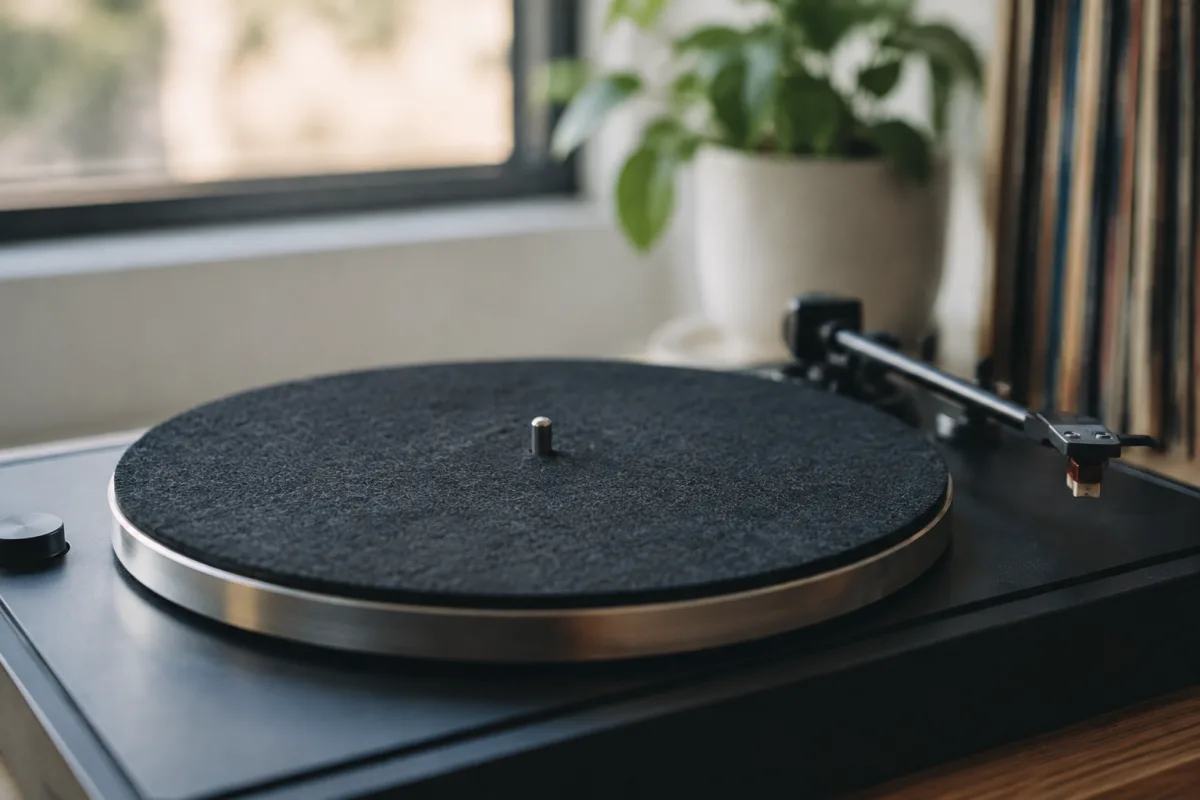
You've invested in a turntable, and now you're wondering about slipmats. It might seem like a trivial accessory, but choosing the right vinyl record slipmat directly impacts your turntable performance, record handling, and mixing capability. This guide walks you through what slipmats do, the key differences between options, and how to evaluate choices without overspending.
Understanding What a Vinyl Record Slipmat Does
A slipmat is a layer of material placed on your turntable's platter. Your record sits on top of the slipmat, not directly on the platter. The slipmat serves two critical functions: it protects your records from the platter's surface, and it reduces friction between the record and platter. This reduced friction allows DJs to manually manipulate records—scratching, spinbacks, and cueing—that would be impossible without it. For listeners, slipmats contribute to overall sound isolation and turntable aesthetics.
Key Slipmat Materials and Their Characteristics
Felt Slipmats: Traditional choice, still most common. Wool or synthetic felt around 1–2mm thick. Moderate friction reduction. Affordable (£10–£30). Work well for DJing and general listening. Durable, lasting years with proper care. The baseline standard.
Paper-Based Slipmats: Thinner than felt, typically around 0.5–1mm. Less friction reduction than felt, making them more suitable for scratching and technical mixing. Used by professional DJs. Slightly more expensive (£15–£40) but wear faster than felt.
Rubber Slipmats: High friction, minimal slipping. Better for preventing accidental record movement (suitable for casual listening, less suitable for mixing). Less popular for professional DJ use. Various price points (£15–£50).
Premium Materials (Cork, Leather): Specialized designs claiming superior isolation or aesthetics. Cork offers natural damping; leather offers luxury appearance. Expensive (£30–£80+). Questionable sonic benefit for most users; primarily aesthetic choice.
Hybrid Designs: Combinations of materials optimizing for specific use cases. Example: felt top with rubber base for grip and isolation. Mid-range pricing (£25–£50). Growing popularity among discerning listeners and working DJs.
Friction Levels: Understanding the Difference
Friction between slipmat and record affects playability:
Low Friction (Paper, Specialty Materials): Record spins freely relative to slipmat. Essential for scratching, cueing, and advanced mixing techniques. Professional DJ standard. Downside: accidental movement during play if turntable isn't perfectly level or if vibration interferes.
Medium Friction (Quality Felt): Balanced approach. Record doesn't slip easily but allows manual manipulation with moderate effort. Suitable for most DJing and listening. Most versatile choice.
High Friction (Rubber, Some Felt): Record stays put. Prevents accidental slipping. Preferred for passive listening where record handling is minimal. Poor for mixing because record doesn't respond to manual input quickly enough.
Choose friction level based on your use case. If you're mixing, low-to-medium friction. If you're listening casually, medium-to-high friction.
Slipmat Thickness and Impact
Thickness affects both vibration damping and record height:
Thin Slipmats (0.5–1mm): Minimal height increase. Records sit lower. Less isolation from platter vibration. Less friction. Better response to manual manipulation. Preferred for technical mixing.
Standard Slipmats (1–2mm): Sweet spot for most users. Noticeable isolation improvement, moderate height increase (not problematic), good friction for various techniques. Most common size.
Thick Slipmats (2–3mm+): Maximum isolation. Noticeable height increase (sometimes requires tonearm adjustment). Some isolation benefits but rarely necessary. Primarily aesthetic/specialized applications.
For most turntables, standard 1–2mm thickness is ideal. Thin if you mix professionally, thick only if isolation is your primary concern.
Diameter Compatibility
Most slipmats are 12 inches (standard LP diameter). Verify your turntable uses this size. Some boutique turntables or specialty equipment uses different diameters (7-inch, unusual sizes). Always check specifications before purchasing.
Aesthetic Considerations
Slipmats come in various colours and designs:
Solid Colours: Black, white, grey, or custom colours. Clean, professional appearance. Most common.
Branded Designs: Turntable manufacturer logos or custom artwork. Personalize your rig. Prices reflect brand licensing.
Patterned/Textured: Designs increasing visual interest. Growing trend but sometimes distracting during play.
Aesthetics matter if your turntable is visible in your space. Choose based on décor and personal taste. Sound quality doesn't depend on appearance.
Price Tiers and Value Assessment
| Price Range | Typical Materials | Best For |
|---|---|---|
| £8–£20 | Basic felt, generic construction | Budget-conscious buyers, casual listening, beginners |
| £20–£40 | Quality felt or paper, better construction, potentially branded | Serious listeners, hobbyist DJs, turntable enthusiasts |
| £40–£80 | Premium materials, hybrid designs, professional-grade construction | Professional DJs, audiophiles, discerning listeners |
| £80+ | Boutique materials, limited editions, handmade options | Collectors, tone connoisseurs, enthusiasts with budget |
Common Pitfalls When Buying Vinyl Record Slipmats
Buying based on price alone: Cheapest slipmats often feel thin and cheap. They wear quickly. Mid-range (£20–£40) offers best value—solid materials, adequate durability, reasonable performance.
Confusing material with performance: Expensive cork or leather slipmats don't necessarily sound better than quality felt. Premium pricing often reflects aesthetics, not sonic benefit. Know what you're paying for.
Ignoring your turntable's specifications: Some turntables require specific slipmat compatibility (thickness, friction level). Check your turntable manual. Wrong slipmat can affect tracking force or tonearm geometry.
Overpaying for brand names: Branded slipmats from famous turntable manufacturers sometimes cost 2–3x generic equivalents. Sonic differences are minimal. Pay for quality, not branding.
Not considering your use case: Casual listeners benefit from high-friction slipmats. DJs need low-friction. Buying the wrong friction level wastes money and frustrates use.
Slipmat Lifespan and Replacement Frequency
Quality slipmats last 3–5 years of regular use before noticeable degradation. Heavy professional DJ use might shorten this to 1–2 years. Signs of wear include:
- Surface becoming pilled or rough
- Reduced friction (felt compression)
- Visible wear patterns or damage
- Dust accumulation difficult to clean
When these appear, replacement is warranted. Fresh slipmats restore performance noticeably.
Matching Slipmats to Turntable Types
Direct-Drive Turntables: Typically low-friction. Work well with paper or specialty slipmats. Can handle felt but less common pairing.
Belt-Drive Turntables: Typically accommodate standard felt slipmats perfectly. Some newer belt-drive models work with various materials. Check turntable documentation.
Vintage/Turntable-Specific Designs: Some classic turntables work best with specific slipmat types. Research your turntable model before purchasing.
Sound Impact: What Actually Changes
Does slipmat choice affect sound? Yes, but subtly:
Felt Slipmats: Add slight damping, warmth, and isolation. Reduce turntable vibration transmission to tonearm/cartridge. Subtle but noticeable improvement in isolation.
Paper Slipmats: Minimal damping, more direct sound transmission. Preferred when clarity over warmth is priority.
Thick Slipmats: More isolation, potentially warmer sound. Less directly relevant to modern turntables with good isolation already built-in.
The difference is real but not dramatic. Turntable and cartridge matter far more than slipmat choice for ultimate sound quality. Slipmat contributes to the overall system sound, not as a primary determinant.
New vs. Used Slipmats
Used slipmats are generally poor purchases. Unlike many used items, slipmats compress and degrade with use. An aged slipmat has reduced friction, higher dust accumulation, and unpredictable performance. New slipmats cost so little (£10–£40) that buying used offers minimal savings while incurring performance risks. Buy new.
Making Your Decision: A Checklist
Before purchasing a vinyl record slipmat:
- Check your turntable specifications for slipmat compatibility
- Determine your use case (casual listening vs. mixing)
- Decide on preferred friction level for your needs
- Assess material priorities (felt, paper, specialty)
- Set a realistic budget (£20–£40 represents good value)
- Consider aesthetics if your turntable is visible
- Choose based on performance needs, not brand prestige
For an in-depth exploration of slipmats, professional DJ applications, and turntable optimization, consult the complete guide to vinyl record slipmat.
Conclusion
Choosing a vinyl record slipmat requires understanding your turntable, use case, and friction preferences. Quality felt slipmats in the £20–£40 range represent the best value for most users. They last years, perform reliably, and improve isolation. Professional DJs might choose paper for lower friction. Casual listeners might prefer rubber for grip. Ignore boutique premium pricing unless aesthetics genuinely matter to you. A good slipmat is a small investment that meaningfully improves your turntable experience—choose wisely based on actual needs.



Comments