


Record Slipmat article
The Complete Guide to Record Slipmat
A quality record slipmat protects vinyl whilst enabling smooth playback. Explore materials, types and how to choose the best option for your turntable.
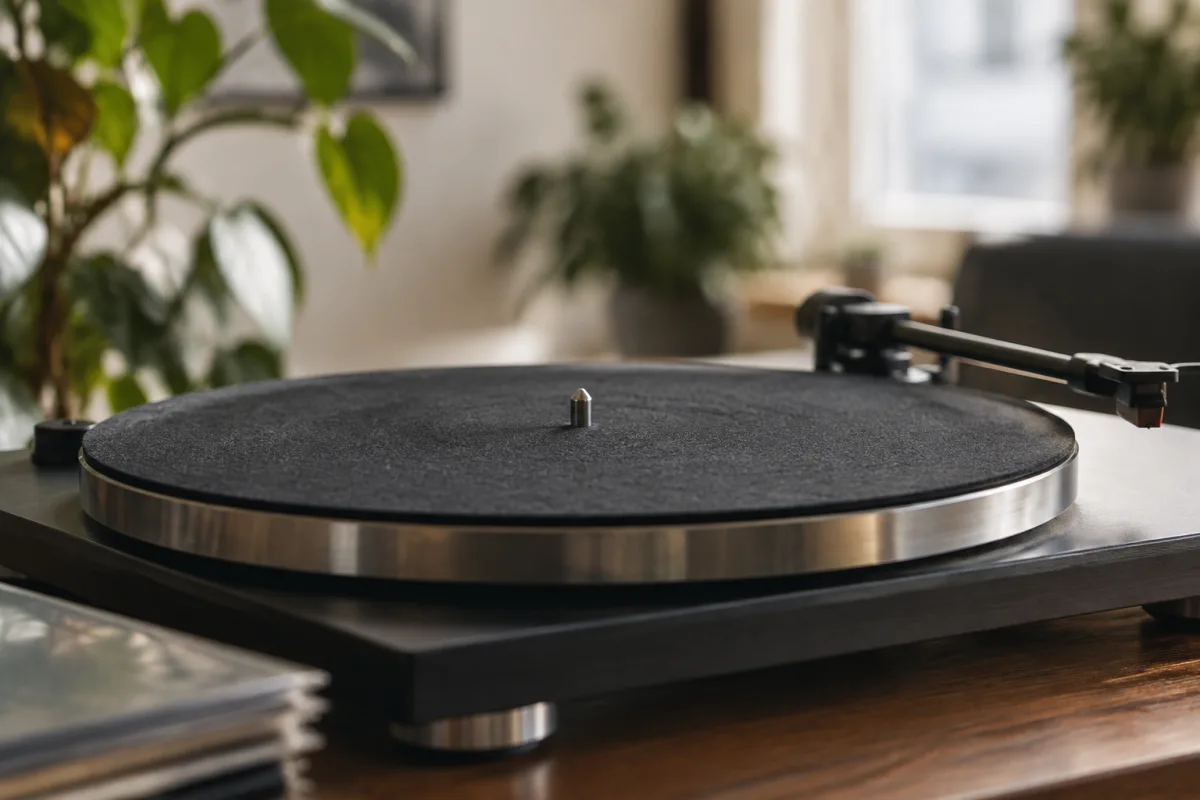
A record slipmat is an essential component of any quality turntable setup, protecting vinyl records whilst enabling smooth, reliable playback. These thin mats sit between the platter and your vinyl, providing a non-slip surface that prevents unwanted movement during spinning. Understanding record slipmat selection helps optimise your listening experience and protect your valuable vinyl collection.
Understanding Record Slipmat Function
The record slipmat serves a critical purpose in turntable operation. By creating minimal friction between record and platter, it allows the record to sit firmly in place without slipping during playback. This is essential for maintaining stable speed, particularly during scratch techniques and backspinning required in DJing contexts.
Record slipmat materials vary considerably, affecting both playback characteristics and record protection. Quality mats prevent pitch fluctuations whilst protecting vinyl from dust, moisture and direct platter contact that could cause damage over extended play sessions.
Types of Record Slipmat Materials
Common record slipmat options include:
- Felt mats – traditional choice offering excellent grip and vinyl protection
- Leather or synthetic alternatives – premium feel with superior durability
- Cork-based mats – natural material providing excellent grip and vibration damping
- Rubber compounds – offering maximum grip for DJ applications requiring backspinning
- Paper or thin materials – minimal friction options for audiophile listening
Each record slipmat type offers different benefits depending on your listening priorities and turntable application.
Record Slipmat Selection Considerations
Choosing the right record slipmat depends on your primary use. DJs requiring precise control and backspinning capabilities prioritise maximum grip and control. Audiophile listeners seeking pure sound reproduction might prefer minimal friction designs. Home listeners want balance between protection and playback quality.
Record slipmat thickness, diameter and edge design all affect performance. Quality options resist curling, maintain consistent friction over years, and protect vinyl effectively without leaving residue or marks.
Premium Versus Budget Record Slipmat Options
Budget record slipmat choices often use thin felt materials that flatten over time, reducing effectiveness. Premium options maintain consistency through superior materials and construction techniques. Investing in quality means your record slipmat remains dependable year after year.
Audiophile-grade record slipmat designs minimise resonance and vibration whilst maintaining grip. These specialised options represent significant investments but deliver measurable improvements in sound clarity and stability.
Maintaining Your Record Slipmat
Regular cleaning maintains record slipmat performance and longevity. Gently vacuuming accumulates dust; using a soft brush prevents material degradation. Replace your record slipmat when it becomes compressed, curled or excessively worn to maintain optimal turntable performance.
Proper storage prevents premature deterioration. Keep your record slipmat flat when not in use, protected from excessive heat, humidity and direct sunlight that could compromise material integrity.
Record Slipmat Impact on Sound Quality
Though often overlooked, record slipmat choice affects playback quality measurably. Poor mats introduce wow and flutter, affecting pitch stability. Quality options minimise these issues whilst providing consistent, reliable performance across extended listening sessions.
For critical listening and professional applications, investing in appropriate record slipmat solutions demonstrates commitment to preserving vinyl quality and enjoying optimal playback characteristics.
Conclusion
Your record slipmat is far more than a simple accessory—it’s an essential component protecting your vinyl investment whilst enabling reliable playback. Whether DJing or enjoying casual listening, selecting an appropriate record slipmat ensures years of dependable performance and vinyl protection.



Comments