


Record Slipmat Buying guide
Record Slipmat: A Complete Buyer's Guide
Choosing the right record slipmat determines your cueing precision and scratching control. This guide covers materials, grip levels, price tiers, and technique matching.
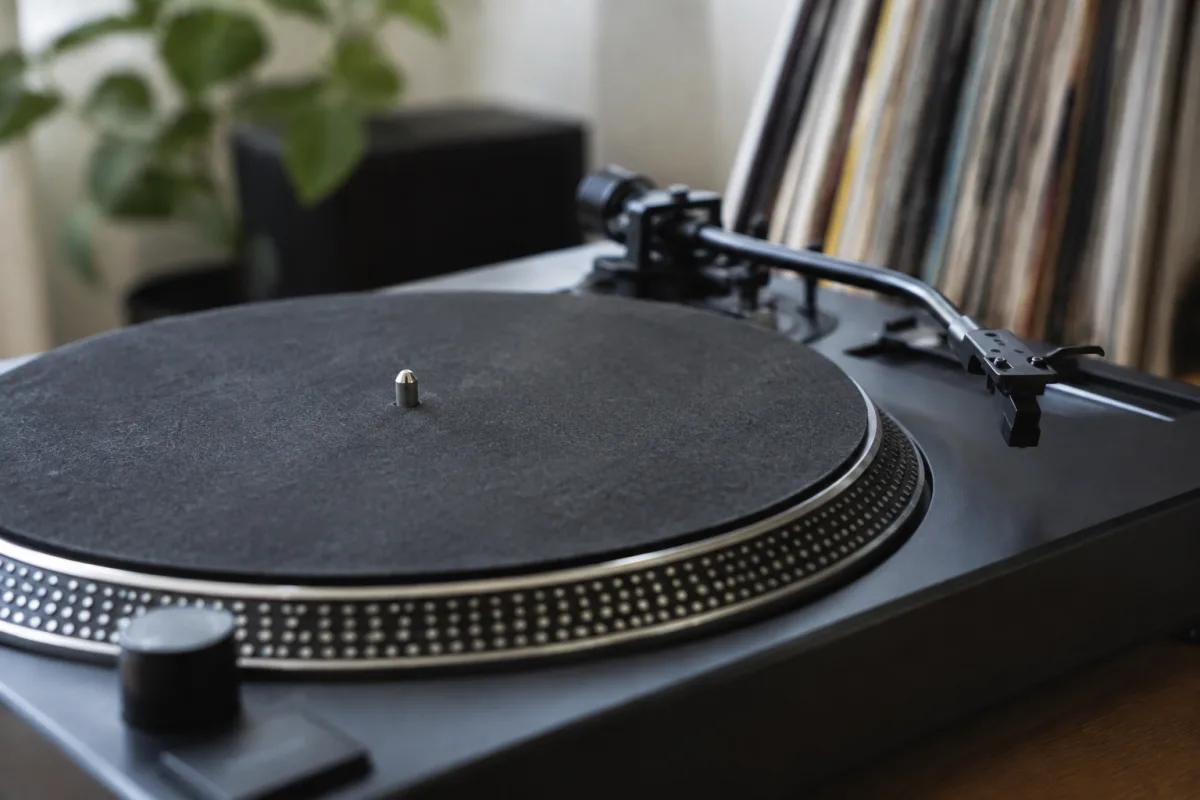
Selecting the right record slipmat is essential for DJ performance and vinyl playback control. Whether you're beat-juggling, scratching, or simply cueing tracks precisely, your record slipmat directly affects how vinyl moves across your turntable platter. Yet the market offers bewildering variety—fabric slipmats, felt slipmats, rubber slipmats—each with distinct advantages and price points. This guide cuts through the confusion to help you choose record slipmats that match your specific technique.
Understanding Record Slipmat Material Types
Record slipmat quality begins with material selection. The three primary types serve different purposes.
Felt record slipmats, the traditional choice, provide controlled friction between vinyl and platter. Good-quality felt record slipmats grip vinyl reliably for normal playback yet allow controlled slipping for scratching and manual cueing. The thickness and density of felt directly influence performance—thinner felt offers more slip, thicker felt grips tighter.
Fabric record slipmats, often cotton or polyester blends, offer softer feel and quieter operation than felt. Some DJs prefer fabric record slipmats for smooth, fluid scratching because the reduced friction allows precise control without dead spots.
Rubber and plastic record slipmats are less common but appear in specific niches. Some offer extreme grip for technical jams and beat-juggling. Others reduce friction nearly to zero for specialty scratching techniques. These are seldom the starting choice for most DJs.
Critical Factors When Buying Record Slipmats
Before purchasing, evaluate these core characteristics that determine whether record slipmats suit your turntable and technique.
Grip level is paramount. Record slipmats with too much grip make manual spinning difficult, wasting energy on every cue. Too little grip creates dead zones where vinyl slips unpredictably. Moderate grip—enough for reliable playback, enough slip for controlled scratching—suits most DJs.
Thickness matters more than casual buyers realise. Thicker record slipmats (3-4mm) provide more grip and damping but feel less responsive. Thinner record slipmats (1-2mm) offer quicker response and easier manipulation but may grip less reliably. Your preferred technique determines ideal thickness.
Platter compatibility affects performance. Standard record slipmats fit most 12-inch turntables, but check your specific model. Some vintage or professional turntables use unique platter sizes or require specific slipmat dimensions for proper operation.
Aesthetic appeal seems minor but influences real performance. If you love your record slipmat's design, you'll use it longer and develop technique more deeply. Quality of print, colour retention, and durability of graphics matter when considering long-term use.
Matching Record Slipmats to Your DJ Style
Your technique determines which record slipmat serves you best.
| DJ Style | Ideal Record Slipmat | Key Characteristics |
|---|---|---|
| Mixing / Standard Play | Traditional Felt | Moderate grip, reliable cueing, smooth playback |
| Scratching / Turntablism | Premium Felt or Fabric | Low friction, responsive handling, precise control |
| Beat Juggling | High-Grip Rubber | Maximum grip, minimal slipping, precise timing |
| Casual Listening | Budget Felt | Basic functionality, acceptable performance, economical |
Price Tiers and Value Assessment
Record slipmat pricing reflects materials, construction quality, and brand reputation rather than advanced technology.
Budget record slipmats (£5-£12) typically use basic felt in standard thickness. They function adequately for casual use but show faster wear and less consistent grip. Graphics wear quickly with regular scratching. Acceptable for learning DJs exploring technique.
Mid-range record slipmats (£12-£25) offer better felt quality, improved durability, and more attractive designs. These suit most DJs practising technique development. The price-to-performance ratio is excellent here—you're getting genuine quality without luxury pricing.
Premium record slipmats (£25-£45) feature superior felt composition, precise thickness tolerance, and vibrant graphics. Professional scratchers and tour DJs favour premium record slipmats for consistent performance across different venues and equipment.
Specialty record slipmats (£45+) target specific techniques—ultra-high-grip rubber for beat-juggling, minimal-friction materials for advanced scratching. Only experienced DJs performing demanding techniques should invest this much.
Common Purchasing Mistakes to Avoid
Several errors trap buyers into unsuitable record slipmats. Avoid assuming higher price guarantees better performance—sometimes mid-range record slipmats outperform premium options for your specific turntable and technique.
Don't ignore platter compatibility. Record slipmats sized incorrectly for your turntable shift during play, ruining performance and potentially damaging your vinyl collection.
Never judge record slipmat quality by graphics alone. Beautiful printed designs mean nothing if underlying felt quality is poor. Test actual grip and responsiveness when possible before committing.
Avoid switching record slipmats constantly. Your brain adapts to particular grip and friction levels. Frequent changes disrupt technique development. Stick with one quality record slipmat for 6-12 months before experimenting with alternatives.
Maintaining Record Slipmats for Longevity
Proper care extends record slipmat life significantly. Keep record slipmats clean by gently brushing away dust. Avoid liquid cleaning solutions that damage felt. Store record slipmats flat, not folded or rolled, to preserve shape and grip consistency. Rotate between multiple record slipmats if possible to distribute wear.
Most quality record slipmats last 2-3 years with regular use before grip noticeably degrades. Budget models may deteriorate within 6-12 months, depending on scratching intensity.
For a comprehensive overview of record slipmat options and deeper technical details on felt composition and turntable compatibility, explore our complete guide to record slipmats, covering every slipmat type and specialty application.
Making Your Selection
Start by honestly assessing your current technique and budget. Beginners benefit from mid-range felt record slipmats offering reliable performance without excess cost. As your scratching develops and technique demands grow more specific, premium or specialty record slipmats become worthwhile investments. Most importantly, select record slipmats matching your turntable's specifications and try them before committing if possible. Actual feel during cueing and scratching matters far more than spec sheets or marketing claims.


Comments