


Record Vinyl Cleaning Kit article
Record Vinyl Cleaning Kit for Beginners: A Complete Guide
Just started collecting vinyl? A record cleaning kit is essential for protecting your collection. Learn what to buy, how to use it, and what mistakes to avoid.
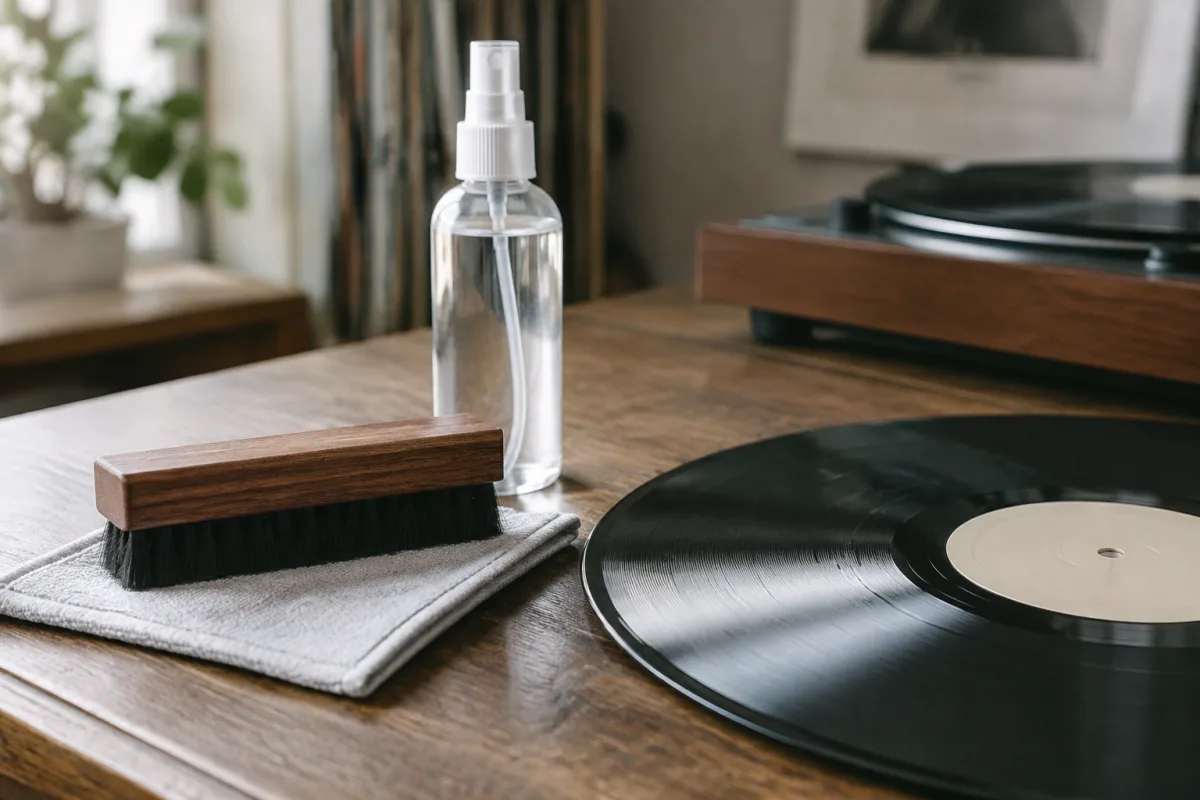
Just started collecting vinyl and worried about keeping your records clean? You're right to be concerned—dust and grime damage your LPs and shorten the life of your stylus. The good news is that learning to care for vinyl is straightforward, and you don't need expensive equipment. This guide shows you what to buy and how to use it without damaging your collection.
Why Your Vinyl Collection Needs a Cleaning Kit
Vinyl records are delicate. Dust particles settle into the grooves during storage and handling. When your turntable stylus reads across a dusty groove, it can skip, sound distorted, or actually wear the groove faster. Over time, a dirty record can sound genuinely unpleasant—muddy, with less dynamic range and clarity. Proper cleaning solves this completely. Clean vinyl sounds better, lasts longer, and saves your stylus from premature wear.
You might think it's a luxury, but for anyone with vinyl they want to enjoy, it's actually essential maintenance. Think of it like oil for a record player—not optional, just necessary.
What to Look For in Your First Kit
You don't need to spend a fortune. A good beginner cleaning kit has these basics:
- A soft-bristle brush. This is the workhorse of any cleaning kit. It gently agitates dust and debris without scratching the record. Look for carbon fiber or very soft natural bristles.
- Cleaning fluid. Distilled water on its own works for light dust, but a proper record cleaning kit includes a cleaning solution designed for vinyl. It cuts oils and grime without harming the plastic.
- Microfibre cloth. You'll use this to dry the record after cleaning. Avoid paper towels—they can scratch. Microfibre or lint-free cloth is essential.
- A wet cleaning pad (optional but useful). Some kits include a velvet or microfibre pad you dampen with solution. This is brilliant for heavier cleaning than just brushing.
- Storage sleeves. Fresh inner sleeves are essential. Dust gets trapped in old, worn sleeves, so replacing them prevents recontamination.
Budget £30–60 for a solid beginner kit that includes all these. Anything cheaper might skimp on brush quality or the cloth, and anything more expensive often has features you don't need yet.
How to Clean Your Records Without Damage
Here's the process for using your vinyl cleaning kit the right way:
- Place the record on a clean, flat surface. Avoid your turntable for this—you don't want cleaning fluid near the motor or electronics.
- Use the brush in gentle circular motions, following the grooves. Apply light pressure—you're dusting, not scrubbing. Work from the centre outward.
- If the record is heavily soiled, dampen a microfibre cloth (not soaking wet) with your cleaning solution. Wipe in the same circular motion, again following the grooves.
- Dry the record thoroughly with a clean, dry microfibre cloth, using the same technique.
- Let the record air-dry completely before playing. This takes only a few minutes.
- Immediately place the cleaned record in a fresh inner sleeve before returning it to the jacket. This prevents dust from settling back on it.
That's it. Most people spend two to three minutes per record the first time, then faster as you get the rhythm down.
Common Beginner Mistakes with Record Cleaning
Learn from the mistakes others have made so you don't repeat them:
Using water straight from the tap. Tap water contains minerals and chlorine that can leave residue and eventually damage the vinyl. Your record cleaning kit's solution is distilled—use it, not tap water.
Scrubbing too hard. Enthusiasm is the enemy here. Gentle, steady pressure is all you need. Aggressive scrubbing can actually damage the groove or cause micro-scratches. Less pressure is better.
Letting records air-dry on edge. Water runs to the lowest point. If you stand a damp record on its edge to dry, water pools at the bottom edge and can seep into the jacket. Lay them flat to dry.
Not replacing the inner sleeve. You've just cleaned the record. Putting it back in a dusty old sleeve defeats the purpose. Fresh sleeves are cheap—use them.
Cleaning too often. Vinyl doesn't need weekly cleaning. Once or twice a year for records you play regularly, and only when they actually sound dusty. Over-cleaning is unnecessary wear.
Building Your Collection-Care Routine
Once you've got your vinyl cleaning kit, here's the routine that keeps records sounding fresh. When you first get a used record, clean it immediately—you never know what's been on it. After that, clean records before the first play if they've been in storage. For records you play regularly, a quick brush before playing keeps them in top shape without deep cleaning every time.
Store cleaned records in fresh sleeves, standing upright (not stacked), in a cool, dry place away from sunlight. This prevents dust from settling and keeps your collection in pristine condition between plays.
For a deeper dive into vinyl care and the full range of maintenance tools available, check out our complete guide to vinyl record cleaner kits, which covers advanced techniques and equipment.
Conclusion
A record cleaning kit is one of the most practical purchases any vinyl collector can make. It's inexpensive, easy to use, and makes an immediate, audible difference. Dirty records sound worse and wear faster. Clean records sound better and last decades. For less than the cost of a couple of new records, your vinyl cleaning kit will protect your entire collection and make every listening session more enjoyable. Your records—and your ears—will thank you.


Comments