


Record Vinyl Cleaning Kit Buying guide
Record Vinyl Cleaning Kit: A Complete Buyer's Guide
Choosing the right record vinyl cleaning kit means balancing cost, cleaning power, and time. This guide covers manual kits, vacuum systems, and what specs truly matter.
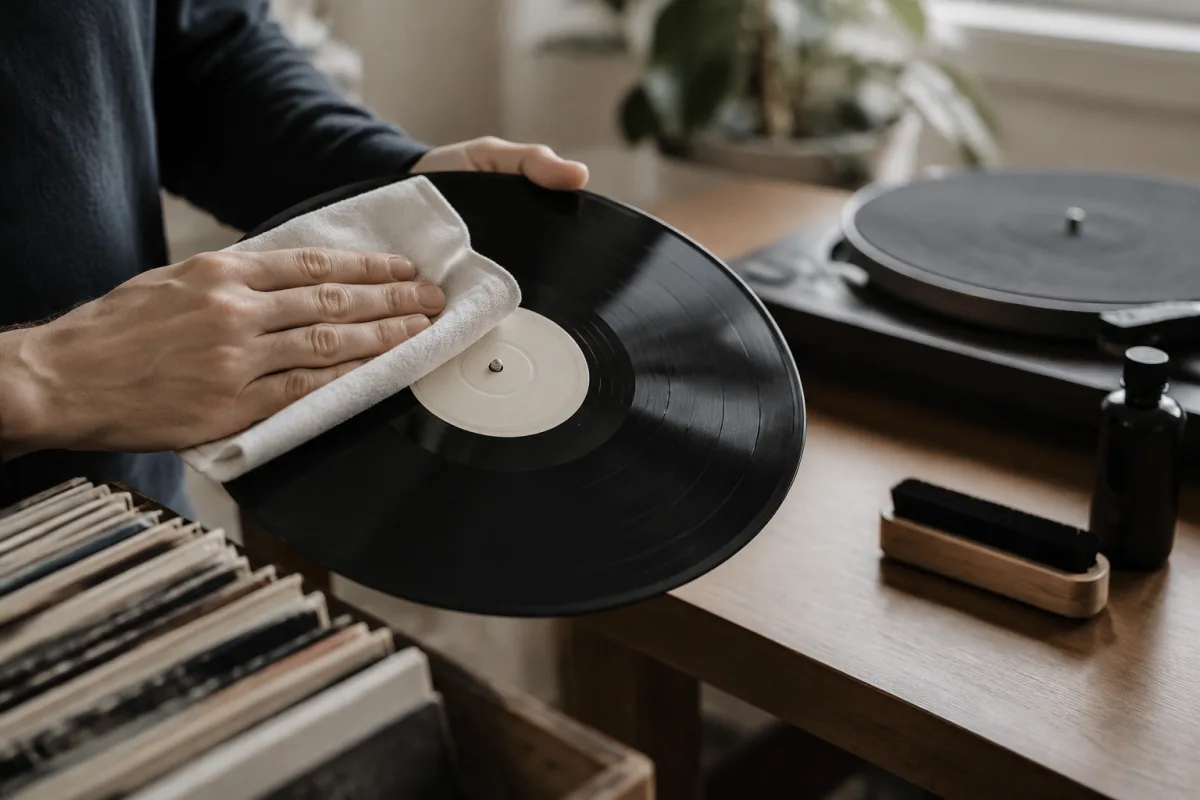
Vinyl records are delicate, and a speck of dust or grime can ruin both playback quality and your cartridge. When shopping for a record vinyl cleaning kit, you'll find everything from budget-friendly basics to professional-grade systems costing £200+. Knowing what actually matters in such a kit saves you money, protects your collection, and delivers the sonic clarity vinyl promises. This guide walks you through the key specs, common traps, and real value so you can buy the right system with confidence.
The Core Components You Need to Evaluate
A record vinyl cleaning kit typically includes a cleaning solution, applicators, drying materials, and sometimes a record clamp or brush. Each element affects the final result.
Cleaning Fluid Formula. This is the crux of any kit. Look for solutions specifically formulated for vinyl—household cleaners or alcohol-based products will damage the groove and degrade the surface. Quality vinyl cleaning solutions contain distilled water, surfactants (to lift oils and dirt), and sometimes isopropyl alcohol in carefully balanced proportions. Avoid anything with harsh solvents. Check the label for whether it's anti-static (crucial to prevent dust clinging after cleaning) and whether it's concentrate or ready-to-use. Concentrate is usually better value but requires mixing.
Application Method. The cleaner is useless without a good way to apply it. Look for applicators that are soft, lint-free, and capable of even coverage. Microfibre cloths work well; cheap paper towels leave fibres behind and scratch the surface. Some kits include brushes with soft, densely packed bristles designed for vinyl; others use cotton pads or woven applicators. Test if the cloth sheds under gentle pressure before you commit.
Drying System. After cleaning, records must dry without lint residue or dust settling back. A dedicated record drying stand is ideal—it lets the record sit upright at a safe angle whilst air-drying. Some kits include microfibre drying cloths; others don't. If buying a kit without drying cloths, budget separately for high-quality lint-free microfibre. The wrong material introduces new contamination.
Brush Quality. A good brush is essential, both for applying cleaner and for removing particles before wet-cleaning in any record vinyl cleaning kit. Soft, natural-hair brushes or high-grade synthetic bristles preserve the groove; stiff brushes damage it. Check bristle count and softness. A budget brush often leaves bristles in the groove—a costly mistake.
Manual vs. Machine Cleaning Kits
This is the biggest choice when selecting a record vinyl cleaning kit.
Manual Cleaning Kits. These include brush, cloth, and solution that you apply and wipe by hand, controlling pressure and technique. Pros: low cost (£15–40), portable, no electricity needed, gives you tactile feedback. Cons: labour-intensive, harder to achieve consistent results, time-consuming for large collections. Best for: occasional cleaning, small collections, travel, and learning the fundamentals. Risk: if you're impatient or heavy-handed, you can damage records.
Vacuum-Assisted Kits. A powered motor sucks solution from the groove whilst you apply it, then vacuums the record dry. Pros: removes more debris, faster, more consistent, less physical effort. Cons: louder, require electricity, more expensive (£100–300), take up storage space, need maintenance (filter cleaning). Best for: serious collectors, large vinyl libraries, professional use. Risk: some vacuum systems are noisy and rattling; check reviews on motor quality.
Ultrasonic Cleaning (Premium). Records are submerged in an ultrasonic tank with cleaning fluid; high-frequency vibrations dislodge dirt. Pros: deep cleaning, minimal manual effort, excellent for heavily soiled records. Cons: most expensive (£300–800+), require distilled water, noisy, take up significant space, risk of damage if the record isn't properly secured. Best for: collectors with large, valuable collections and deep pockets. Risk: cheaper ultrasonic units can be unreliable; spend properly or not at all.
Critical Specs to Compare
- Cleaning Fluid Type & Anti-Static Rating. "Anti-static" is not optional. Static attracts dust post-cleaning, ruining your work. Confirm the product claims anti-static properties and check user reviews for whether it actually delivers.
- Fluid Volume. Ready-to-use solutions are convenient but expensive per mL. Concentrate is cheaper overall but requires mixing. Calculate cost-per-cleaning to compare kits fairly.
- Applicator Material & Count. More cloths mean you can use fresh ones for each record without re-soiling. Microfibre or lint-free materials only; anything that sheds wastes your time and risks scratches.
- Brush Type. Natural hair (soft) or premium synthetic bristles only. Avoid nylon or stiff plastic. Read close-up photos and user reviews—a cheap brush ruins expensive records.
- Drying Time (for machine kits). A vacuum-assisted system that leaves records slightly damp is useless. Check that the motor suction is strong and the drying cycle is complete.
- Noise Level (for powered kits). Some vacuum-assisted systems are louder than expected. Check decibel ratings and reviews if noise matters to you.
- Compatible Vinyl Sizes. Most kits work on 7-inch and 12-inch records. Some manual kits struggle with 7-inch; some vacuum systems require adapter rings. Confirm compatibility.
Price Tiers & Real Value
| Price Range | Typical Kit Type | Best For | Trade-offs |
|---|---|---|---|
| £10–25 | Basic manual: solution + brush + cloth | Beginners; occasional cleaning; small collections | Lower-quality materials; time-consuming; learning curve on technique |
| £25–60 | Premium manual: higher-grade cloth, brush, more solution | Serious hobbyists; regular maintenance; good value | Still labour-intensive; not ideal for large libraries |
| £100–250 | Vacuum-assisted kit (motorised) | Regular collectors; medium to large collections | More expensive initially; noise; requires storage space |
| £300+ | Ultrasonic or premium vacuum systems | Serious collectors; valuable records; restoration work | High cost; risk if poorly maintained; overkill for casual use |
Value depends on how often you clean. A casual collector buying a £15 manual kit annually spends less than a vacuum system buyer even over five years. But if you clean weekly, a vacuum pays for itself in time and thoroughness within a year.
Common Pitfalls When Buying
Avoid these mistakes to ensure your purchase is worth the money.
- Buying Cheap Brushes. A £3 brush sheds bristles into your £200 record collection. False economy. Spend £10–20 on a proper brush; it's reusable and irreplaceable for preserving your vinyl.
- Choosing Non-Antistatic Fluid. If the kit doesn't explicitly state anti-static properties, assume it doesn't have them. Static is your enemy post-cleaning; don't gamble.
- Skipping the Drying Step. A record left half-dry or dried with the wrong cloth undoes the cleaning. If your kit doesn't include proper drying solutions, budget separately for lint-free microfibre cloths.
- Mixing Household Cleaners with Vinyl. Tempting to save money, but vinegar, alcohol, or soap will degrade vinyl over time. Use only purpose-formulated record cleaning solutions.
- Overcomplicating the Kit. Premium ultrasonic systems are tempting, but they're unnecessary for most collections. A quality manual kit handles 95% of cleaning jobs. Buy what fits your collection size and cleaning frequency, not what sounds impressive.
- Ignoring Storage & Maintenance. Powered kits require clean filters, dried motors, and careful storage. If you're not willing to maintain it, a manual kit is smarter.
Liquid Concentrate vs. Ready-to-Use Solutions
Most kits ship with either concentrate or ready-made cleaning solution. Here's how they compare:
Concentrate: Cheaper per unit volume, longer shelf life, lighter to store and transport. Downside: requires measuring and mixing every time, risk of incorrect dilution (which ruins cleaning or damages vinyl). Best if you're disciplined about measuring.
Ready-to-Use: Convenience—open and use immediately. No risk of dilution error. Downside: higher cost per cleaning, larger bottles to store, shorter shelf life once opened. Best if you value convenience and clean regularly (using it up before it degrades).
Testing a Kit Before Full Commitment
If possible, test the kit on inexpensive records first. Try one side of a record you don't value highly, then play it back. Listen for improved clarity and reduced pops. Check whether the solution leaves residue, the cloth sheds, or the drying is incomplete. This trial run costs you nothing strategically but teaches you whether the kit actually delivers for your records and technique.
For a deeper dive into vinyl care and cleaning techniques, see our complete guide to vinyl record cleaning kits.
FAQ
Can I use household cleaners on my vinyl records?
No. Household cleaners, vinegar, alcohol, or soap will degrade vinyl over time. Use only purpose-formulated record cleaning solutions designed for vinyl's material and groove structure.
What's the best record vinyl cleaning kit for beginners?
A manual kit with a soft brush, microfibre cloth, and anti-static solution in the £20–40 range. You'll learn proper technique, and the low cost means less risk if you make mistakes early on.
How often should I clean my vinyl records?
Visibly dirty records need cleaning immediately. Regularly played records benefit from a light cleaning monthly or quarterly, depending on dust and storage conditions. Stored records may need cleaning only every 1–2 years.
Is a vacuum-assisted cleaning system worth the cost?
Only if you clean regularly (weekly or more). For occasional cleaning or small collections, a quality manual kit delivers similar results at 1/10th the price. Vacuum systems shine for large libraries or professional use.
Will cleaning my vinyl records reduce pops and crackle?
Absolutely—but only if the pops are caused by dust or residue, not groove wear or damage. A thorough clean can eliminate 50–80% of playback noise in regularly used records.
Can I mix different brands' cleaning solutions in the same kit?
Not recommended. Different formulas may interact unexpectedly or leave conflicting residues. Stick to one brand per kit, or test on expendable records first if you must experiment.


Comments