


DJ Record article
The Ultimate Guide to Turntable for Playing Vinyl Records
Discover how to build a serious DJ record collection, from sourcing rare vinyl to proper maintenance. Whether you prefer house, techno or hip-hop, learn what makes a great pressing and where to find it.
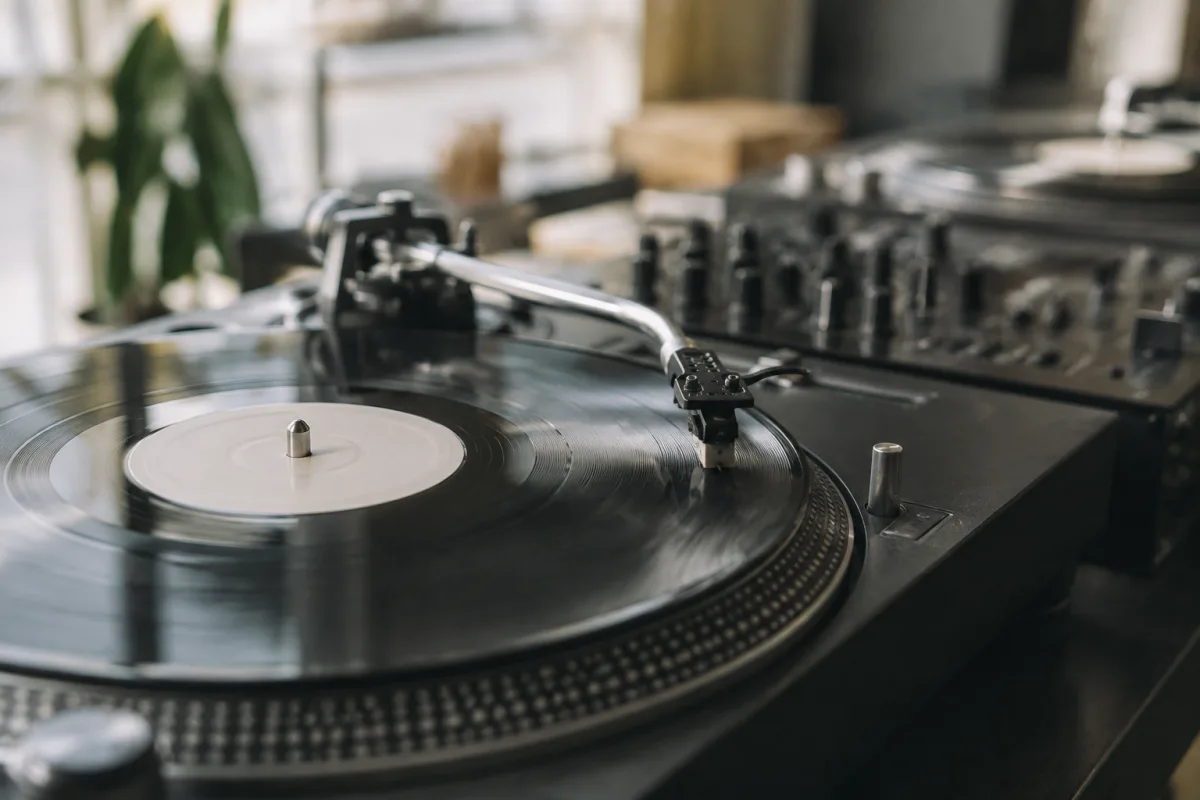
Whether you're mixing deep house in a packed club or exploring your passion for vinyl at home, a quality collection of DJ records is the heart of every turntablist's craft. The right vinyl not only sounds warmer and richer than digital files, but commands respect from audiences who understand the skill required to blend them live. This guide covers everything you need to know about sourcing, maintaining and selecting vinyl that will elevate your performances.
What Makes a DJ Record Different
A DJ record isn't necessarily different from a standard vinyl record in its physical construction, but it serves a distinct purpose. DJs typically seek out records with clear, punchy beats and minimal vocal interruptions — the kind of music that allows for seamless mixing and blending. Classic DJ records from the 1980s and 1990s often featured extended remixes, instrumental sections and breakdowns specifically designed for dance floor use.
The importance of a good DJ record lies in its quality and character. Vinyl pressed during the golden age of house, techno and hip-hop often has superior bass response and dynamic range compared to later digital masters. This is why collectors still hunt for original pressings of classic records — they were cut with dancefloor equipment in mind.
Types of Vinyl Worth Collecting
Understanding which records work best for your style is crucial. House music DJ records typically feature tempo around 120–130 BPM with repetitive drum patterns that lock perfectly with mixing. Techno DJ records emphasise hypnotic, driving beats ideal for longer sets. Funk and soul records offer breakbeats and creative samples that hip-hop and electronic producers have relied upon for decades.
Original pressings are prized because they were mastered to sound excellent when played on club sound systems. A well-preserved 1990s house music DJ record can deliver clarity and punch that later CD pressings never captured. Reissues and modern pressings vary wildly — some are thoughtfully restored, whilst others are cheaply reproduced.
Condition and Pressing Quality
When evaluating any DJ record, inspect the vinyl itself for scratches, warping and groove wear. A record with significant surface noise or skips may disappoint in the mix. Sleeve condition matters less to DJs than to collectors, but original artwork and labels help you date a pressing and verify authenticity.
Heavier pressings (180g or 200g) often sound superior to standard 120g vinyl, offering reduced vibration and extended high-frequency detail. This weight matters when you're mixing on equipment calibrated for premium vinyl.
Where to Find Quality DJ Records
Building a serious collection requires knowing where to look. Specialist vinyl shops remain the gold standard — staff can point you toward rare finds and help you spot fakes. Online marketplaces like Discogs let you filter by pressing, condition and price, but always check seller ratings and request detailed photos of any DJ record before committing.
Estate sales and record fairs offer occasional bargains, though you'll spend hours digging. Internet record shops serving the DJ community stock both new releases and back-catalogue classics. If a particular DJ record is essential to your sound, specialist shops focused on your genre often have what larger retailers miss.
Budget Considerations
A respectable DJ record typically costs £5–15 new, depending on the label. Rare originals can fetch hundreds of pounds. Most working DJs build their collection gradually, mixing affordable recent releases with a few carefully chosen vintage gems that define their signature sound.
Don't confuse price with quality — some of the best DJ records for mixing cost almost nothing if you're patient. Focus on sound and feel rather than rarity alone.
Storage and Maintenance
Protecting your investment ensures your DJ record collection remains playable for years. Store vinyl vertically in a cool, dry place away from direct sunlight and heat sources. Humidity and temperature fluctuations warp records permanently, whilst UV light fades labels and sleeves.
Always clean a DJ record before playing it. Use a microfibre record brush or a proper cleaning machine to remove dust and debris. A record that sounds scratchy often just needs cleaning — small particles create noise when the needle passes over them. For serious collectors, an ultrasonic cleaner removes dirt from grooves without damaging the vinyl itself.
Handle every DJ record by the edges and center label only. Fingerprints leave oils that trap dirt, accelerating wear. After playing, replace the record in its sleeve promptly to minimise dust exposure.
Building Your DJ Record Collection
Start by defining your sound and identifying key records within that aesthetic. If you're into Detroit techno, track down original Metroplex and Transmat releases. For Chicago house, seek the Trax and DJ International catalogues. Hip-hop DJs might prioritise funk samples and breakbeat records that producers respect.
Listen before you buy whenever possible. A DJ record that sounds perfect on a friend's system might disappoint on your own equipment, depending on your turntable, cartridge and mixer quality. The experience of live mixing with vinyl teaches you what qualities matter most in a record.
Connect with other DJs in your area. Recommendations from experienced collectors accelerate your learning curve. Many DJs happily share which records have defined their sets and why — that insider knowledge is invaluable when hunting for a DJ record that fits your exact needs.
Modern vs. Vintage DJ Records
Modern DJ records benefit from contemporary mastering and fresh pressing runs, yet some sound thin compared to the character of vinyl from the 1980s and 1990s. A current techno release offers fresh grooves and contemporary production, whilst a classic DJ record from decades past carries the warmth and punch of music cut for dancefloor equipment.
Many DJs balance their collection between eras — recent releases keep the set current, whilst vintage records provide foundation and character. This mix allows you to play music audiences recognise whilst showcasing your knowledge of the genre's history.
Conclusion
Investing in quality DJ records is an investment in your craft and identity as a performer. Whether you're beginning to explore vinyl or building on an existing collection, focus on records that move you and sound exceptional on your equipment. Store them carefully, keep them clean, and prioritise sound quality over rarity or prestige. A single well-chosen DJ record can inspire an entire set and create a connection with your audience that digital files rarely achieve. Start with your favourite sounds, buy thoughtfully, and let your collection evolve as your ears and taste develop.
Frequently Asked Questions
What is the ideal condition for a DJ record?
The best DJ records have minimal surface noise, no warping, and clear groove definition. Vinyl graded VG+ or better is suitable for mixing. Minor pops are tolerable, but skips or significant scratching will be distracting during a live set.
Are expensive DJ records always better?
No. Many affordable records sound excellent on good equipment. Price reflects rarity, age, and collector demand rather than sound quality alone. Judge a record by listening and condition, not price tag.
Can I use a standard turntable to play DJ records?
Yes, though a turntable designed for mixing — with a sturdy build, accurate speed control and direct drive — performs better than a consumer model. A good DJ turntable maintains consistent pitch even with scratching and repeated cueing.
How often should I clean my DJ records?
Clean records before their first play and whenever they accumulate visible dust. Regular use means cleaning every few plays. A record that sounds clean may still benefit from occasional maintenance, especially if stored in less-than-ideal conditions.
Where do I find obscure classic DJ records?
Discogs, Ebay, and specialist vinyl dealers cater to collectors hunting rare pressings. Consider joining online communities focused on your genre — members often buy and sell directly. Record fairs and estate sales occasionally yield hidden gems at bargain prices.
Should I invest in records by new artists or stick to classics?
Both. New releases keep your sound fresh and contemporary, whilst classic records offer proven dancefloor impact and character. Many DJs find their signature sound emerges by blending current releases with carefully chosen vintage records.


Comments