


DJ Record article
Dj Record for Beginners: A Complete Guide
DJ records are music optimised for mixing and performance. Discover how to source quality tracks, understand remix versions, and build your beginner collection effectively.
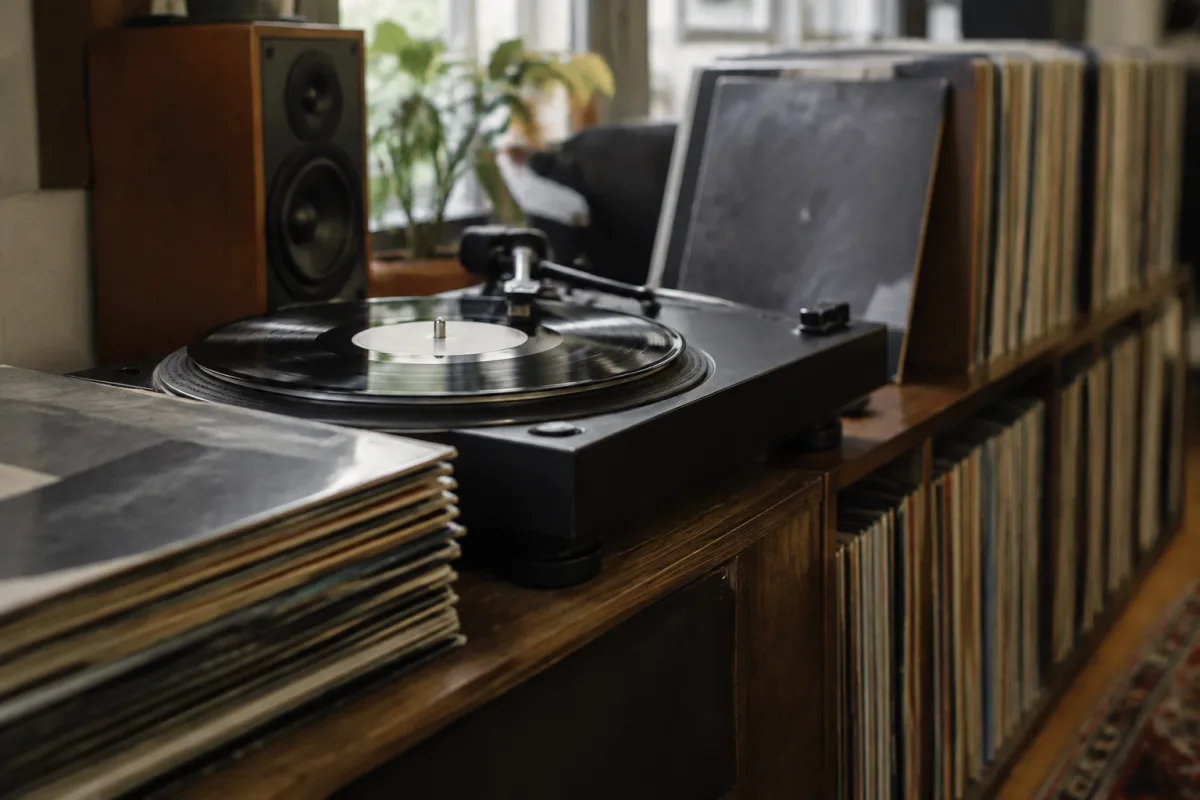
You've decided to learn DJing, and you're wondering: what even is a DJ record? The term itself might confuse you—records are the physical vinyl format, but "DJ record" refers to music specifically prepared for DJ performance. Understanding what makes a DJ record different from a standard musical release, and how to approach them as a beginner, accelerates your learning.
What Exactly Is a DJ Record?
A DJ record is vinyl or digital release specifically mastered for DJing. Unlike standard album releases designed for listening, a DJ record optimises for performance mixing. This means extended intro sections and outro sections (so you have room to mix), prominent drum sections throughout (for beatmatching), and consistent energy levels.
Historically, DJ records were 12-inch vinyl single releases with one track per side, sometimes extended to 10 minutes or longer. Modern DJ records exist as digital files (MP3s, WAVs, FLAC) distributed through platforms like Beatport, Juno, or directly from labels. The format has evolved, but the principle remains: a DJ record is built for mixing, not just listening.
As a beginner DJ, understanding this distinction matters because you'll search for DJ records differently than you search for regular music. You'll look for extended versions, acapella mixes (vocals only), instrumental versions, and original mixes optimised for transitions.
Why Beginners Need Proper DJ Records
Starting with any random song works poorly. A DJ record engineered for performance makes learning genuinely easier. Here's why:
A proper DJ record has a clear, consistent beat throughout. No tempo changes that throw off your beatmatching. No sudden dynamic shifts that wreck your mix. The energy curve is smooth and predictable, letting you focus on technical mixing rather than fighting the music.
DJ records include extended sections where the drums drop out, or where vocals simplify. These moments give you room to mix another track in smoothly. Standard album tracks often have busy sections everywhere, leaving no space for transitions.
DJ records are mastered to comparable levels to other DJ records. This means volume consistency across your set. Playing regular album tracks alongside DJ records creates frustrating level jumps where tracks suddenly sound quieter or louder.
For beginners especially, proper DJ records remove technical obstacles so you can focus on developing mixing skills rather than fighting track limitations.
Understanding DJ Record Versions and Formats
When hunting for DJ records, you'll encounter various versions. Understanding what they mean helps you choose the right one.
Original mix: The artist's intended arrangement, often optimised for DJing but sometimes not. Always check DJ record original mixes—some are excellent, others less suitable for mixing.
Extended mix or extended version: Longer than standard radio edits, with additional instrumental sections for mixing. Most DJ records are extended versions. These typically run 6-10 minutes versus 3-4 minute radio edits.
Instrumental version: The DJ record track without vocals. Useful for long breakdowns or pure instrumental mixing sections.
Acapella: Vocals only (or nearly vocal-only), no drums or bass. Professional DJ records often include acapella versions so you can layer vocals over different instrumentals.
Remix or remix version: Alternative producer's interpretation of the DJ record. Remixes sometimes work brilliantly for mixing, sometimes don't. Always preview before committing.
Special DJ edition or DJ mix: Some labels release special DJ record versions mastered specifically for peak-time club mixing. These can be excellent but aren't always necessary.
Common Beginner Mistakes with DJ Records
Learning to source and use DJ records efficiently prevents frustration.
Mistake #1: Starting with Regular Album Tracks Instead of DJ Records
Playing regular songs from Spotify or iTunes as DJ records fails quickly. No extended sections, inconsistent mastering levels, and awkward track structures make mixing difficult. Commit to sourcing proper DJ records from DJ-focused platforms. It makes a genuine difference.
Mistake #2: Not Previewing DJ Records Before Downloading
DJ record quality varies enormously. A track that sounds great in a preview might have terrible mixing properties. Preview for at least 30 seconds before buying or downloading. Listen specifically for: consistent beat structure, clear drum sections, and smooth energy flow.
Mistake #3: Assuming All Remixes of a DJ Record Work for Mixing
A popular DJ record might have 10 remix versions. Most won't work for your mixing purposes. Some have weird drum structures, others have unpredictable energy shifts. Preview each remix version of a DJ record independently, don't assume they're all usable.
Mistake #4: Ignoring DJ Record BPM Consistency
Proper DJ records maintain consistent BPM throughout. Some cheaper or poorly prepared DJ records drift or have tempo variations that throw off beatmatching. Check DJ record BPM stability before heavy investment in your collection.
Mistake #5: Mixing Standard Versions and DJ Record Versions Carelessly
If you mix the 3-minute radio edit of a DJ record into the 10-minute extended version of another track, track lengths create problems. Beginners should stick with matching versions (both extended, both instrumental, etc.) until they develop enough skill to mix different versions intentionally.
Where Beginners Find Quality DJ Records
Several platforms specialise in DJ records, and beginners should learn them:
Beatport: The industry standard. Thousands of DJ records, organised by genre and DJ-specific search filters. Paid downloads, but consistent quality. Start here if you have budget.
Juno Download: Alternative to Beatport with similar quality focus. Often features DJ records Beatport doesn't, and prices sometimes undercut Beatport.
DJ Pool services: Monthly subscription gives access to hundreds of DJ records monthly. Useful for beginners exploring without massive upfront cost. Quality varies by service.
Bandcamp: Independent artists release DJ records directly here. Quality is inconsistent, but often excellent value. Browse carefully, preview extensively.
Artist websites and labels: Some artists release DJ records directly. Quality is usually excellent, though selection is limited.
YouTube and SoundCloud: Preview DJ records here before committing to purchase. Never download directly—use legitimate channels.
Building Your Beginner DJ Record Collection
Start with genre specialisation. Don't try to collect every type of music—pick 2-3 genres and build depth. A small collection of 20-30 quality DJ records in genres you love is better than 200 random tracks.
Prioritise DJ records with strong drum sections and clear energy progression. As a beginner, you need tracks that make mixing easy. Advanced DJs can work with virtually anything, but beginners benefit from DJ records that support learning.
Build playlists or smart folders organised by DJ record BPM and energy level. This makes set-building logical and helps you see gaps in your collection.
Budget appropriately. Quality DJ records often cost £1-3 each. A decent beginner collection costs £50-100. It's an investment that pays off through practice enjoyment.
Understanding DJ Record Licensing and Rights
When you purchase a DJ record, you're buying a license to use it for DJing. Public performance (clubs, radio, streaming) requires separate licensing. As a beginner practising at home, you have no additional requirements. For public use, register with your local performing rights organisation.
Using DJ records beyond their licensed scope creates legal issues. Respect copyright and purchase from legitimate sources.
Making Your DJ Record Library Growth Sustainable
Don't get overwhelmed by endless options. Buy DJ records intentionally—when you find a track that works for your style, acquire it. Don't buy randomly hoping something clicks. This approach builds a focused, usable collection rather than chaotic accumulation.
For more comprehensive information about DJ record selection, detailed guides to mixing techniques, and recommendations for specific genres and styles, the ultimate guide to DJ records and turntables covers everything in depth. But as a beginner, you've got the foundation: understand what DJ records are, source from legitimate platforms, preview before purchasing, and build your collection with intention.


Comments