


Tuning Slide article
Tuning Slide: A Complete Guide
Your tuning slide is essential for pitch control and intonation. Learn how to adjust it, maintain it properly, and unlock better sound on your brass instrument.
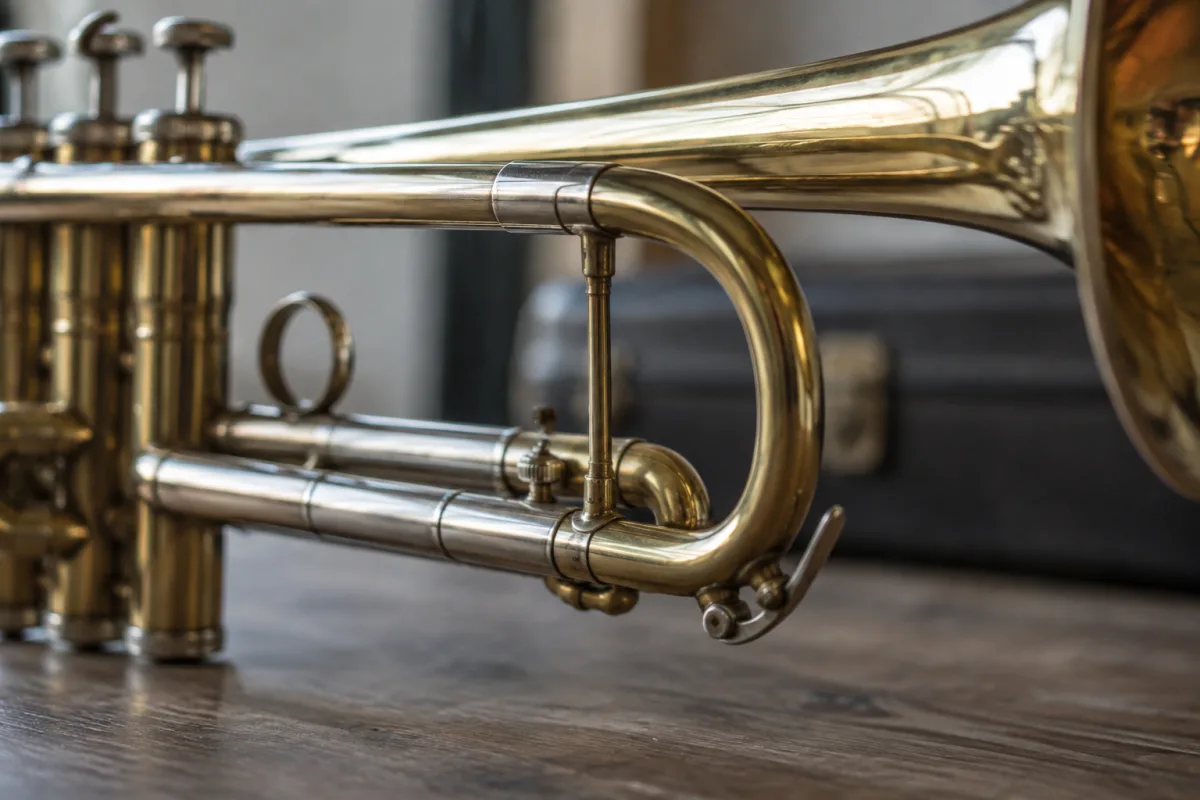
This component is one of the most important yet often overlooked parts of brass instruments. Found on trumpets, French horns, trombones and other brass instruments, it serves a critical function: allowing players to adjust the instrument's pitch finely and maintain proper intonation during playing. Understanding how your tuning slide works—and how to care for it properly—will improve your sound and extend your instrument's life.
What is a Tuning Slide?
This is a telescoping tube, usually located at the end of a brass instrument's main bore. It slides in and out to lengthen or shorten the total air column inside the instrument. Moving it out increases the length of the air column, lowering the pitch; moving it in shortens the column and raises the pitch. Most players adjust this component during the warm-up phase to match the room temperature and their instrument's particular intonation characteristics.
In a trumpet or cornet, the primary version is typically found at the bell end, though third-valve variants provide additional fine-tuning capability. On French horns, the main component extends from the rear of the bell. Trombones use a different mechanism altogether—the slide positions themselves perform the tuning function—but many modern trombones still feature this addition at the bell end for additional precision.
Why It Matters
Temperature affects everything in brass playing. As your instrument warms up during practice, it expands slightly, causing its pitch to rise. A properly adjusted version compensates for this change, keeping your intonation stable. Without one, your instrument would be sharp when warm and flat when cold, making it nearly impossible to play in tune with others.
Beyond temperature compensation, individual instruments have unique intonation fingerprints. Some are naturally sharp on certain notes, flat on others. This component allows you to make macro adjustments that help balance your instrument's overall pitch tendencies. Players often discover that pulling it out by a specific, consistent amount produces their instrument's best intonation across all registers and dynamics.
Types and Design Variations
| Type | Instrument | Purpose |
|---|---|---|
| Main tuning slide | Trumpet, cornet, French horn | Primary pitch adjustment; moved as main instrument warms |
| Third-valve tuning slide | Trumpet, cornet | Fine-tunes the third valve circuit for better intonation |
| Bell slide | Trombone | Allows pitch adjustment without moving the main slide |
| Valve slides | French horn, tuba | Each valve circuit has its own adjustable slide for fine tuning |
How to Adjust Your Component
Start with your instrument cold—straight from its case before warm-up. Play a concert B-flat and check your pitch against a tuner or reference note. If you're sharp, pull it out slightly; if flat, push it in. Make small adjustments—quarter-inch increments—rather than large movements. Half an inch of adjustment can shift your pitch by as much as 20 cents, far more than needed for typical temperature compensation.
Once you've found a position that balances your overall intonation during warm-up, play for a few minutes and check again. Your instrument will continue to warm and sharpen slightly. You may need small additional adjustments. The goal is a setting where your instrument plays acceptably in tune across all registers after a short warm-up, without constant manipulation during rehearsal or performance.
Maintenance and Care
Cleanliness is essential. Valves and tuning slides accumulate dirt, dust and old grease over time, which interferes with smooth movement. Clean your instrument at least once weekly if you play daily. Flush the tuning slide separately under warm water, then use a soft brush to remove any debris inside. Dry thoroughly before reinserting.
Lubrication matters too, but use the right product. Valve oil can accumulate on slides and cause sticking; use a dedicated slide grease instead, applied sparingly to the tuning slide cork or the outer tube. Too much grease creates friction and can trap particles. A light application every month or two is usually sufficient. If your slide becomes stuck, do not force it—soak it in warm water and apply penetrating oil rather than risking damage.
Common Issues and Solutions
- Stuck slide: Never force it. Soak in warm water for 15 minutes, then gently work it back and forth. If it remains stuck, apply a penetrating oil and wait. Forcing risks bending the slide or damaging the cork.
- Slow, sticky response: Clean and re-grease. Dirt and old grease accumulate and slow movement. A thorough cleaning with a soft brush usually solves this.
- Leaky slide: If your instrument hisses or leaks around the slide, the cork or rubber seal has worn out. Most slide corks can be replaced affordably by a repair technician.
- Won't stay put: Some slides shift during playing because of inadequate grease or a worn cork. Ensure you're using proper slide grease and consider a professional recork.
- Tuning drift: If your instrument seems to sharpen or flatten excessively as you play, your tuning slide position may be at an extreme. Try repositioning it closer to its neutral point and adjust valve slides instead.
Finding Your Sweet Spot
Every instrument is unique. Professional players spend years discovering their specific positioning, often adjusting based on room temperature, whether they're playing solo or in a section, and even what repertoire they're tackling. A solo passage demands precision; blending with others in a section might tolerate slightly different settings.
Experiment methodically. Find a neutral starting position—usually around a quarter-inch pulled out—then play and listen over several minutes as your instrument warms. Mark that position with a small piece of tape or remember its relationship to the valve block. Use that as your baseline for future adjustments rather than hunting blindly each time you play.
Professional Setup
If you've recently purchased a new instrument or inherited an older one, consider having a repair technician inspect and adjust this component. They can verify that it's straight and free-moving, replace worn corks, and ensure the fit matches your instrument's specifications. This investment often pays dividends in improved intonation and ease of playing.
Conclusion
This component is far more than a minor adjustment tool—it's a fundamental system for intonation control. A properly maintained, well-adjusted piece allows you to achieve your best sound and play in tune with others reliably. Regular cleaning, careful adjustment, and a bit of understanding will keep it working smoothly for years. Respect it, maintain it, and your playing will benefit immensely.





Comments