


Tuning Slide Buying guide
Tuning Slide: A Complete Buyer's Guide
A comprehensive guide to purchasing the right tuning slide for your brass instrument, covering materials, bore sizes, finishes, and value assessment.
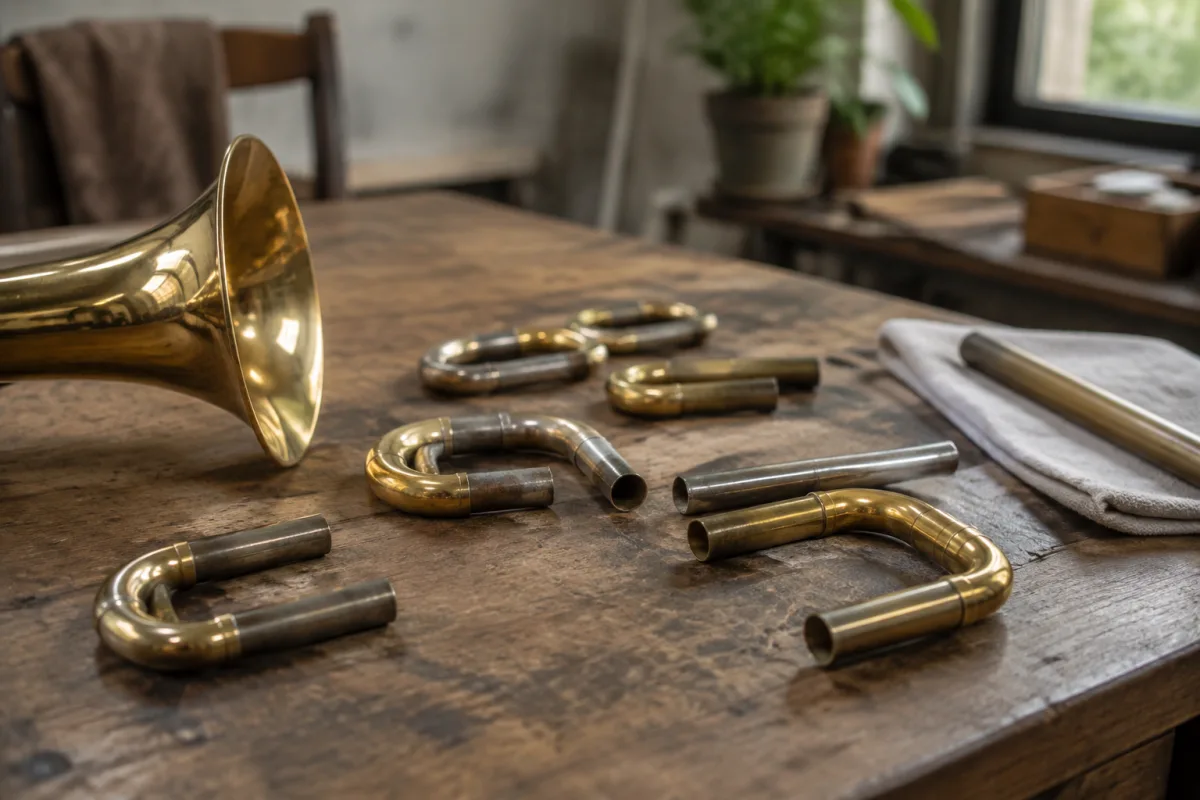
A tuning slide is one of the most frequently replaced components on a brass instrument, yet many players purchase replacements without understanding what differentiates a quality option from a poor one. Whether you're replacing a worn-out tuning slide on your trumpet, trombone, or French horn, or upgrading to improve your instrument's responsiveness, knowing what to check can save you money and enhance your playing experience.
Understanding Tuning Slide Materials and Bore Sizing
The first step when shopping for a tuning slide is matching the bore size precisely to your instrument. Tuning slides come in specific diameter measurements—typically ranging from 0.435 inches for smaller trumpets to 0.547 inches for larger bore horns. Purchasing the wrong size renders the slide either too tight to move smoothly or too loose to create an airtight seal. Check your instrument's documentation or contact the manufacturer to confirm the exact bore diameter before browsing options.
Material composition heavily influences both durability and tone response. Brass tuning slides, the most common type, offer reliable performance at affordable prices. Yellow brass provides warmth, whilst red brass—containing higher copper content—delivers richer, mellower tones. For players seeking maximum durability and minimal maintenance, nickel-plated tuning slides resist corrosion better and require less frequent cleaning, though some players report a slightly brighter tonal characteristic compared to unlacquered brass.
Assessing Finish Quality and Plating Options
The finish on your tuning slide affects both aesthetics and longevity. Unlacquered brass tuning slides offer the most responsive feel and allow direct metal-to-metal contact, which many experienced players prefer for improved intonation control. However, unlacquered brass requires more frequent cleaning to prevent tarnishing and corrosion. Lacquered slides protect the underlying brass but can wear unevenly with regular use, eventually requiring professional relacquering.
Nickel plating provides an excellent middle ground: it resists corrosion effectively, maintains a polished appearance, and requires moderate maintenance. Chrome plating offers maximum durability but can feel slightly stiffer during movement. Some manufacturers offer gold-plated tuning slides as a premium option, combining corrosion resistance with enhanced aesthetic appeal, though the functional difference from quality nickel plating is minimal for most players.
Fit, Tolerance, and Smoothness Testing
When evaluating a new tuning slide, test its movement carefully. A quality tuning slide should slide smoothly through its entire range without sticking, yet maintain adequate tension to prevent slipping during playing. If you're purchasing online, check whether the seller specifies tolerance ranges or offers a trial period. Some manufacturers provide tuning slides with slightly tighter tolerances for players who prefer more resistance, whilst others cater to those seeking effortless movement.
The seal between the slide and receiver should be airtight when fully inserted, preventing air leaks that cause loss of response and pitch inconsistency. Run your finger around the edges to feel for any burrs or irregularities. Reputable manufacturers hone their tuning slides to consistent tolerances, minimising the risk of poor fit that plagues budget options.
Price Tiers and Value Assessment
Tuning slide prices vary significantly based on material and manufacturing precision. Budget options, typically ranging from £15-40, offer basic functionality but often exhibit inconsistent tolerances and rough finishes that require adjustment or even professional smoothing before comfortable use. These are acceptable temporary solutions for students or casual players, but they frequently deliver disappointing results when trying to match demanding instruments.
Mid-range tuning slides, priced between £40-100, represent the best value for most players. These options use quality brass or nickel-plated materials with reliable tolerances, often from established manufacturers like Thein or Yamaha. For most players needing a replacement tuning slide, this category provides excellent balance between cost and performance.
Premium tuning slides, exceeding £100, typically come from high-end manufacturers or include custom specifications like specialised bore sizes or rare material combinations. Professional orchestral players may justify this investment, but for standard replacement purposes, the performance difference rarely justifies the additional expense.
Considering Instrument-Specific Compatibility
Different brass instruments require differently designed tuning slides. Trumpet tuning slides feature a bent design optimised for the trumpet's valve configuration, whilst trombone slides are straight and significantly longer. French horn tuning slides are compact and angled. When shopping, ensure you're selecting a slide specifically designed for your instrument type—purchasing a trumpet slide for a French horn, even with matching bore size, won't function correctly.
Some manufacturers offer instrument-specific variations within each material category. Yamaha, for instance, provides tuning slides tailored to their trumpet models with bore specifications that match precisely. If your instrument is relatively new or from a recognised brand, checking whether the manufacturer offers factory replacements is worthwhile, as these typically guarantee perfect compatibility.
Professional Fitting and Installation Considerations
If your new tuning slide requires fitting adjustments—perhaps it's slightly too tight or the cork needs positioning—factor in professional installation costs. Many music shops offer fitting services for £10-30. For first-time purchasers unfamiliar with tuning slide installation, this investment prevents damage to either the slide or receiver from over-forcing.
When installing yourself, use gentle, consistent pressure and apply a small amount of cork grease to the slide. Never force the slide, as this risks cracking the brass or damaging the receiver thread. If resistance feels excessive, have a technician evaluate the fit rather than risk expensive damage.
Maintenance and Lifespan Planning
Your choice of finish directly impacts long-term maintenance requirements. Unlacquered slides need regular cleaning with brass polish and protective storage to prevent corrosion, making them best suited to players committed to routine maintenance. Nickel-plated and lacquered options require less frequent intervention, simply needing occasional gentle cleaning with appropriate brass cleaner.
Consider also that a quality tuning slide can last 10-15 years or longer with proper care, whilst budget options may require replacement within 2-3 years due to wear, corrosion, or tolerance degradation. From a cost-per-year perspective, a mid-range option often delivers superior value.
For comprehensive information about tuning slides and their role in instrument performance, review our complete guide to tuning slides, which covers history, design variations, and technical specifications across different brass instruments.
Making Your Purchasing Decision
When selecting a tuning slide, prioritise matching your instrument's bore specifications precisely, assess the finish type based on your maintenance preferences, and balance price against the manufacturer's reputation. For most players, a mid-range, nickel-plated tuning slide from an established manufacturer delivers the best combination of reliability, performance, and value. Test movement when possible, confirm compatibility with your specific instrument, and don't hesitate to seek professional fitting assistance if you're uncertain about installation.



Comments