


Trumpet Stand article
Trumpet Stand for Beginners: A Complete Guide
As a beginner trumpet player, a good stand is one of your first investments. It protects your instrument, improves your practice routine, and costs very little—here's what you need to know.
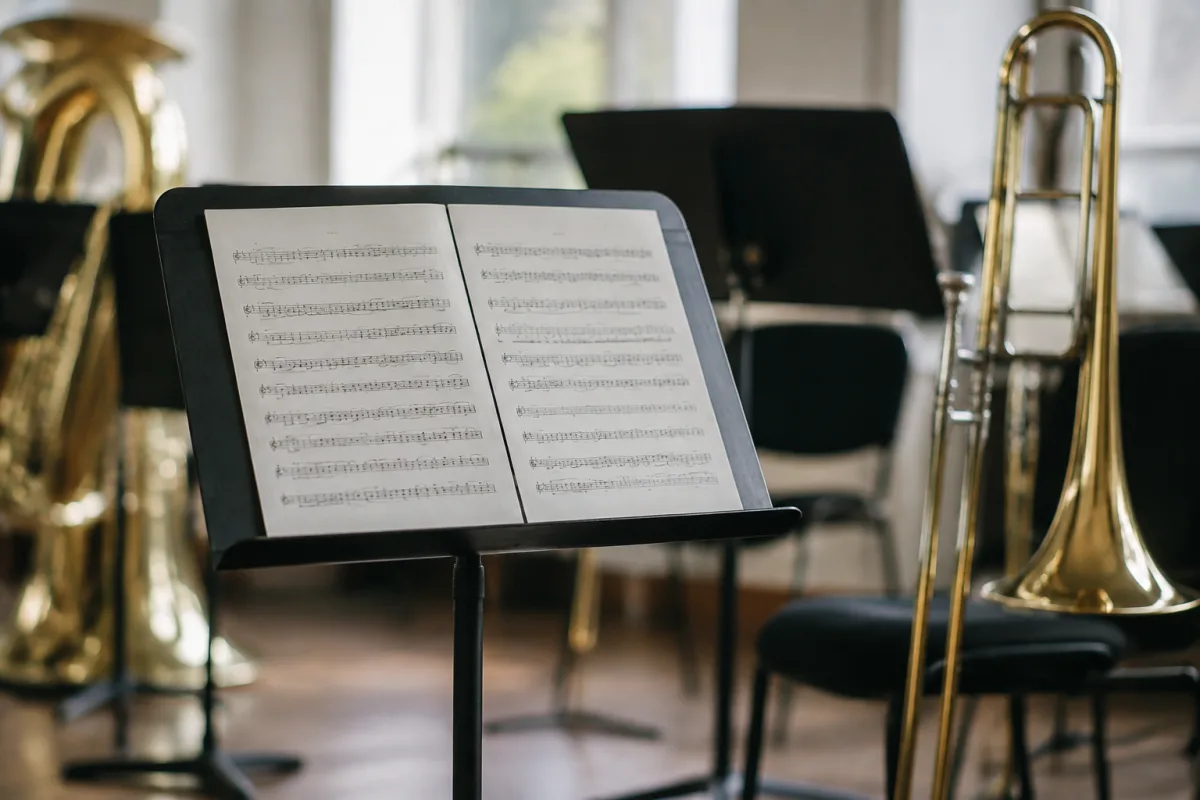
Starting trumpet is exciting, but there's one thing that'll immediately improve your life: having a proper stand to rest your instrument on between practice sessions. If you're new to trumpet, you might be tempted to lean it against a wall or prop it on your case—and that's understandable, because a trumpet feels delicate. Here's the good news: a decent trumpet stand takes that worry away, costs very little, and actually makes learning more enjoyable.
Why You Actually Need One
As a beginner, a trumpet stand isn't just a convenience—it's a safety tool. When you're learning, you'll put your instrument down a lot. Between exercises, whilst you rest your lips, when you're reading music. Without one, your horn sits on your lap or leans against something hard, and over time that causes small dents and can stress the valves. It's the simplest way to protect something you've just invested in.
Beyond protection, having the right stand changes how you practice. When your instrument is easily within reach and sitting securely, you practise more. You're not fussing with re-positioning it. You're not worried it'll fall. You just pick it up, play, set it down, and carry on. That might sound trivial, but it really isn't—consistency matters when you're building trumpet fundamentals.
The Absolute Easiest Type: Tripod Stands
If you're buying your first trumpet stand, get a tripod model. Seriously, this choice will save you time and worry. A tripod stand has three legs that spread out for stability, and a cradle or clip that holds your horn securely. You can't really go wrong. Set it on any flat surface—your desk, a music stand, the floor—and it works. No assembly headaches, no wall brackets, no thinking required.
Most beginner models run £8 to £25, and the difference between budget and mid-range options is honestly small. Both will secure your trumpet safely. Both are light enough to carry if you take lessons elsewhere. If you're unsure what you want, a basic tripod from a reputable brand is always the right call for your first purchase.
What to Look for When Choosing One
When you're shopping, focus on these things: it should be stable (so it won't tip if you brush against it), the cradle or clip should feel padded or lined (so it doesn't scratch your finish), and it should be lightweight enough that you can move it without hassle. That's it. You don't need anything fancy yet.
A good beginner option will have rubber feet or a non-slip base so it doesn't slide around on your carpet or wood floor. Many have adjustable height, which is brilliant because as you improve and add a music stand to your practice setup, you might want to adjust positioning. Look for smooth adjustment mechanisms—they should move easily without wobbling.
Common Beginner Mistakes
Here's what we see new players do: they buy the absolute cheapest option they can find, then get frustrated when it tips over or when the cradle feels flimsy. Spend a bit more—£15 to £20—and you'll get something that feels solid and will actually last. A decent one will outlive several reeds and several practice session phases, so it's worth that small investment.
Another mistake is poor positioning. Don't place it where you might accidentally knock it. Keep it slightly to the side of your practice space, not directly where you're moving around. And never rest your full weight on it—it holds your instrument securely, but it's not a leaning post. Treat it gently and it'll treat your trumpet well.
Building Your Practice Routine
Once you've got one sorted, you'll notice something shifts in your playing routine. Your hand goes naturally to your instrument. You pick it up, play a few notes, put it back. You're not hunting for where you left it. You're not worried about damage. That consistency, however small, compounds over weeks and months. It becomes part of your practice environment—barely noticeable until you don't have one.
For more detailed information on features and advanced options, check out the ultimate guide to the trumpet stand, which covers the full range of styles and specifications available.
Next Steps
Your first trumpet stand doesn't need to be perfect or expensive. A basic tripod model, stable and padded, will serve you brilliantly as a beginner. Once you've found your rhythm with practice and maybe upgraded your instrument later, you might experiment with other styles. But right now, pick something simple, solid, and get practising. Your trumpet will be safer, and your practice sessions will feel better. That's all you need it to do.


Comments