


Trumpet Stand Buying guide
Trumpet Stand: A Complete Buyer's Guide
Choosing the right trumpet stand requires understanding stability, materials, and specifications that actually matter. This guide covers everything from cradle design to price tiers, helping you invest in a stand that protects your instrument and lasts for years.
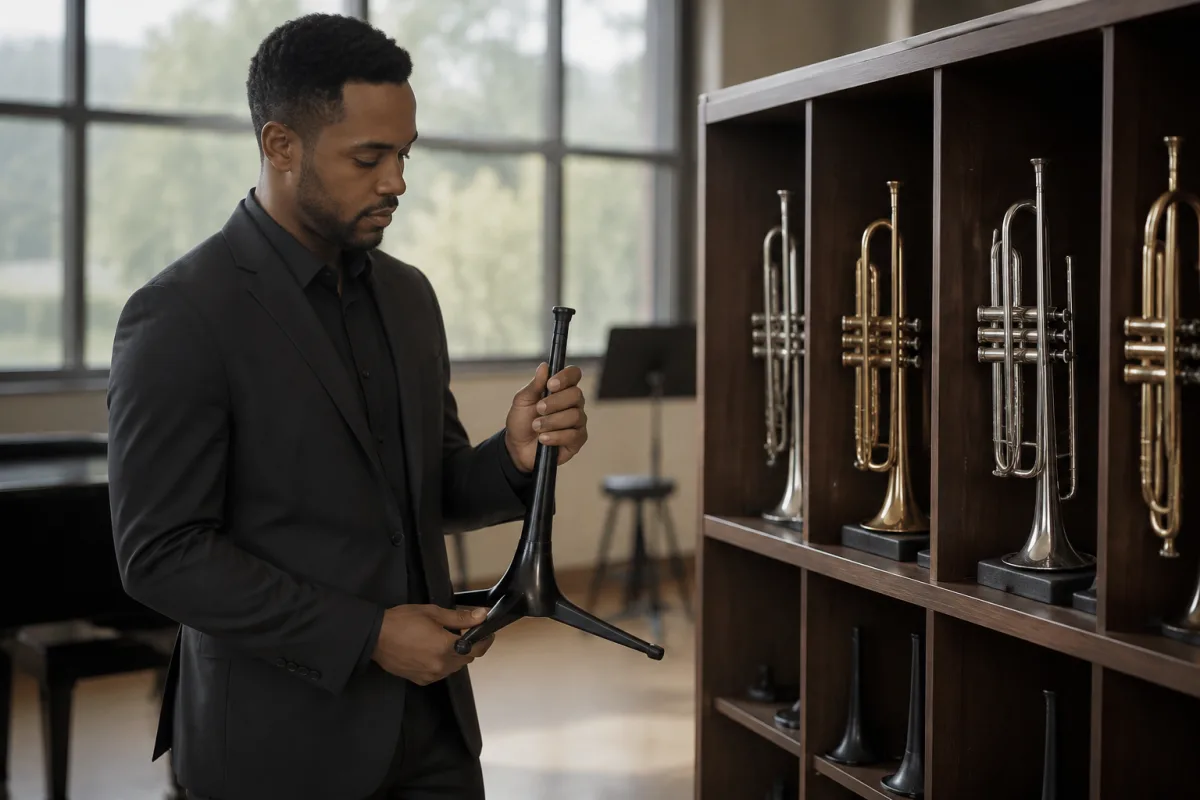
Choosing the right trumpet stand requires understanding what separates a solid investment from a money-wasting purchase. Whether you're protecting a student horn or a professional instrument, the wrong stand can lead to damage, instability during practice, or frustration when rehearsals demand quick setup changes. This buying guide focuses on the specifications that actually matter, the pitfalls to avoid, and how to find the best trumpet stand within your budget.
Understanding Trumpet Stand Stability and Support
The primary job of any trumpet stand is to hold your instrument securely without slipping or tipping. Look for stands with a weighted base—typically 2-3 kg or more—which prevents tipping when you place or remove the trumpet. The cradle mechanism should grip the bell (the flared end) firmly; test this by checking whether the stand has felt or rubber padding inside the cradle. Cheap plastic-only cradles often fail to grip properly, causing the trumpet to slide out during movement or vibration. A trumpet stand that wobbles during setup wastes time and risks expensive repairs.
The cradle height matters more than many buyers realise. Standard stands position the trumpet at waist height, but some orchestral players prefer higher cradles for quick access during performances. If you'll use your stand primarily at home, standard height works well; if you're gigging regularly, consider whether you'll be placing it on stage repeatedly.
Material Quality and Durability Concerns
Cheap steel stands corrode within months if stored in humidity-prone spaces like instrument lockers or rehearsal rooms. Stainless steel or powder-coated finishes resist rust far better, though they cost more initially. Aluminium stands are lightweight (good for travel), but can bend if dropped or sat on—a common problem for band directors managing multiple instruments. The tripod legs should lock securely; flimsy locking mechanisms fail within a year of regular folding and unfolding.
Pay attention to the connection points where the tripod meets the stand body. Welded joints are stronger than bolted ones, which eventually loosen with use. If a stand rattles when you tap it, the bolts are already loose—and you'll be tightening them constantly. Professional and student-grade brass stands differ mainly in these durability details; a good trumpet stand should last 5-10 years of regular use.
Specifications to Check Before Buying
Before purchasing a trumpet stand, verify these measurements and features:
- Base width: Narrow bases (under 40 cm) tip easily in crowded practice rooms; 50-60 cm is safer.
- Height adjustment: Look for stands with telescoping legs or step adjustments if you share the stand with younger players or need different heights.
- Cradle depth: Shallow cradles (under 8 cm) grip only the very tip of the bell; 10-12 cm provides secure support.
- Weight capacity: Most stands hold 1-2 kg easily, but check if you're using a heavily modified or double instrument.
- Fold time: Some stands take 30 seconds to break down; others collapse instantly. Test this if you transport your stand regularly.
- Rubber feet: Non-slip feet prevent the stand from sliding across polished floors during rehearsals.
Common Pitfalls and How to Avoid Them
Many buyers make predictable mistakes when choosing a trumpet stand. The cheapest option is often tempting, but stands under £15–20 rarely survive a full school year. Student use especially demands durability; parents often replace cheap stands quarterly. Mid-range stands (£25–50) typically offer the best value, combining reliable construction with reasonable pricing.
Another common error is buying a decorative or novelty stand that looks good but provides poor support. A trumpet stand shaped like a tree or an exotic animal might photograph well, but if the cradle is shallow and the base is narrow, you're risking your instrument. Prioritise function over aesthetics.
Avoid stands with plastic-only cradles, folding mechanisms held by friction alone (no locks), and extremely lightweight bases. These fail fastest and cost more in replacement hassles than a proper investment upfront. If a stand feels flimsy when you hold it in the shop or handle it during unboxing, it will feel worse after three months of regular use.
Price Tiers and What Each Offers
Budget stands (£10–25) suit complete beginners and short-term rentals, but expect wobbling, slipping, and potential rust within 12 months. Standard stands (£25–60) are the sweet spot for school bands, home practice, and casual players; they offer solid construction, reliable cradles, and survive years of use. Premium stands (£60–150) add features like quick-release mechanisms, wider bases, and premium finishes; these suit professional musicians and touring situations where durability is non-negotiable.
The jump in cost from budget to standard is worthwhile because standard stands simply work reliably. Moving from standard to premium depends on your lifestyle and how frequently you move your trumpet stand. If you're stationary, standard is sufficient. If you're gigging weekly, the premium features reduce setup time and risk of damage.
Professional Alternatives: Wall Mounts and Travel Stands
If you have permanent practice space, a wall-mounted holder eliminates the need for a floor stand entirely and saves desk or shelf space. These cost less and take up no floor area, though they're not portable. Conversely, travel stands sacrifice some stability for portability—useful if you're commuting to lessons or rehearsals but risky for leaving your instrument unattended on stage.
Making Your Final Decision
Start by identifying your primary use case: home practice, band rehearsals, performances, or travel. Next, set a realistic budget (£30–50 is reasonable for quality). Then check the specifications above, read reviews from other trumpet players, and if possible, handle the stand before buying. For more comprehensive context on trumpet stands and their role in instrument care, see our ultimate guide to trumpet stands.
A good trumpet stand is one of the smallest investments in your musical journey, but choosing the right one prevents damage, saves time, and builds confidence in your setup routine. Spend 10 minutes checking specifications now, and you'll enjoy hassle-free stand use for years to come.



Comments