


Brass Trombone for Sale article
Brass Trombone For Sale for Beginners: A Complete Guide
Choosing your first synth doesn't need to be complicated. This guide explains synth types, what specs matter, and how to avoid common beginner mistakes.
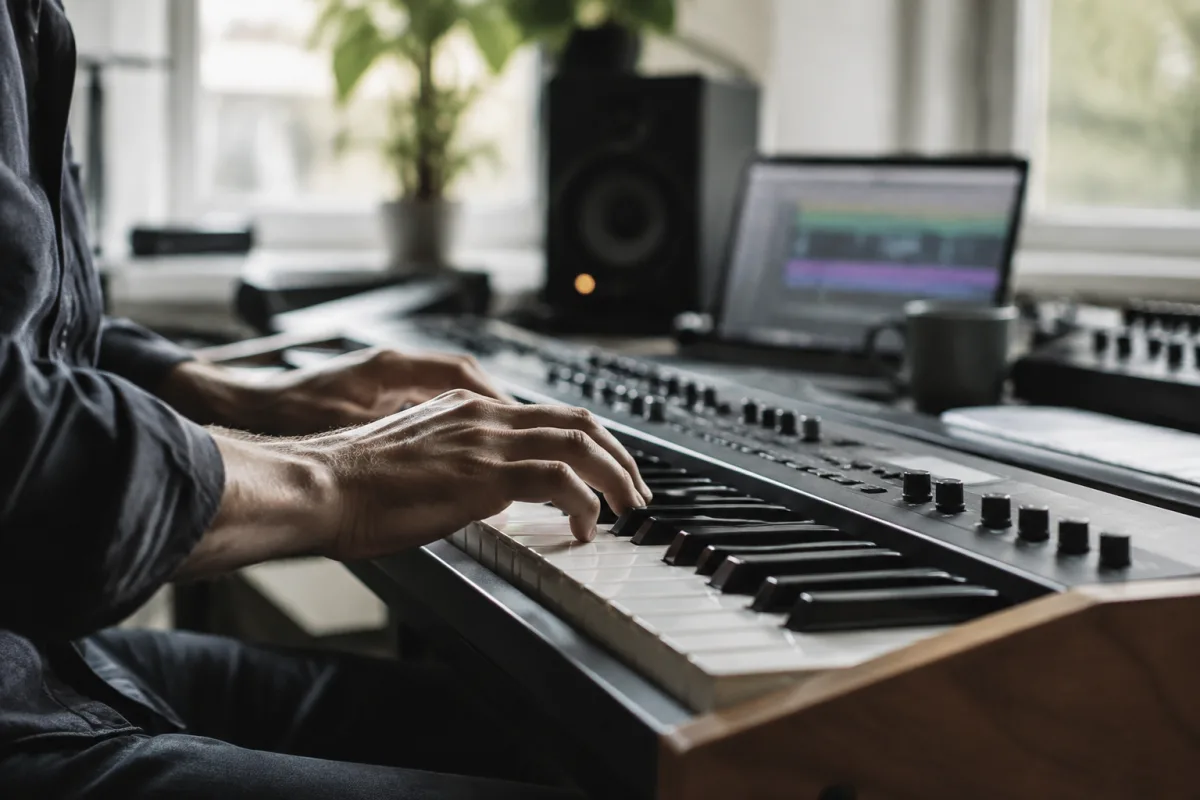
Choosing your first synth can feel paralyzing when facing endless options and specifications. This beginner's guide cuts through the complexity and shows you exactly what to look for, what to avoid, and how to get started making music without overthinking it.
Understanding Synth Types
Beginner synths fall into a few basic categories. Each type approaches sound creation differently, and your choice affects how you'll make music from day one.
Subtractive Synthesis
The most common and beginner-friendly approach. Start with a rich waveform, then use filters to subtract frequencies and shape the sound. Subtractive synthesis is intuitive—tweak a knob, hear the result immediately. Most classic and affordable synths use this design.
Digital/Wavetable
Modern digital synths use pre-recorded waveforms and transformations. More complex and capable, but steeper learning curve for absolute beginners. Great once you understand subtractive basics.
Sampler-Based
These play back audio samples and modify them. Simple concept, endless creative possibilities. Excellent for beginners who want to start with familiar sounds and layer them.
What Specs Actually Matter
Polyphony
How many notes can sound simultaneously? Eight voices (notes) is minimum for comfortable playing. Sixteen is generous and future-proof. Fewer than eight feels limiting quickly.
Keys vs. Module
A keyboard synth includes built-in weighted or semi-weighted keys. A module is sound engine only; you provide your own controller. Beginners benefit from an integrated keyboard—it's one piece, fewer decisions.
Built-in Sequencer
A sequencer lets you program patterns and melodies. Built-in sequencers encourage creative experimentation. Many affordable synths include this feature.
Choosing Your First Synth
- Start with subtractive design if you want intuitive learning.
- Minimum eight voices; sixteen is comfortable.
- Built-in sequencer adds creative possibilities.
- Budget £200–£500 for a solid beginner instrument.
- Try before buying if possible—key feel and interface matter as much as specs.
Common Beginner Mistakes
- Buying based on specs alone. Play the instrument. Does the interface feel intuitive? Are the keys responsive?
- Expecting to sound "professional" immediately. Synthesis is a skill. Budget time for learning before judging the synth's quality.
- Buying a module before understanding keyboards. Start with an integrated keyboard; add a separate module later once your needs clarify.
- Ignoring the learning curve. A slightly pricier synth with excellent tutorials and community support beats a cheaper option you'll abandon.
Getting Started
Read the manual. Watch tutorials specific to your synth model. Learn one preset deeply before chasing a hundred superficial sounds. Play for pleasure, not perfection. After three months, you'll know whether to upgrade or dive deeper.
Bottom Line
Your first synth should be affordable, intuitive, and polyphonic enough to play complete melodies. Subtractive design and an integrated keyboard ease the learning curve. Don't agonise over specs; try instruments in person and choose what feels right. For deeper context, explore our complete guide to choosing a synth.



Comments