


Jean Paul Trumpet article
Jean Paul Trumpet for Beginners: A Complete Guide
Beginning trumpet? This beginner's guide covers everything about Jean Paul trumpets: why beginners choose them, what to expect, common mistakes, and your first six months.
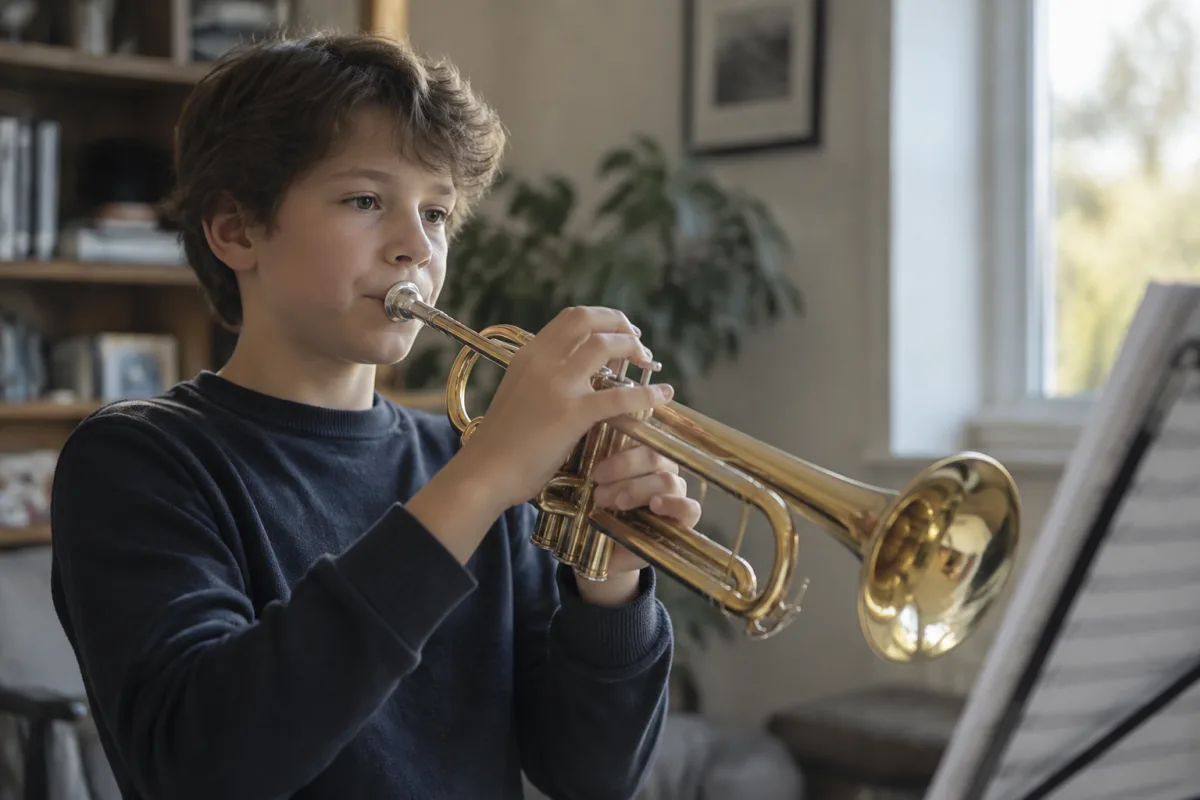
Considering your first trumpet? You've probably heard Jean Paul mentioned—and for good reason. This budget-friendly brand dominates school music programmes and serves countless beginners launching their musical journey. If you're nervous about investing in your first brass instrument, a Jean Paul trumpet offers excellent value and genuine encouragement. This guide walks nervous beginners through starting with a Jean Paul trumpet, removing worry and building confidence.
Why Beginners Choose Jean Paul Trumpets
Here's the honest story: professional musicians play expensive Yamaha, Bach, and Conn trumpets. Beginners shouldn't. A Jean Paul trumpet is specifically designed for learners—affordable, durable, and playable. The psychological benefit matters: you spend £300-600 on your first trumpet, not £2,000. That affordability means you can practice daily without financial anxiety about damaging an expensive instrument.
A quality Jean Paul trumpet sounds respectable, plays reliably, and responds to your developing technique. After six months of practice, you'll understand your sonic preferences and can upgrade knowledgeably. That journey starts here, with a forgiving instrument that encourages daily practice.
Jean Paul Trumpet Models: What You'll Find
Jean Paul manufactures several trumpet models for beginners. When starting with a Jean Paul trumpet, know these options:
TR-100 Student Series
The true entry-level Jean Paul trumpet, perfect for absolute beginners. If this is your first brass instrument and you're uncertain about commitment, the TR-100 is your answer. Affordable and adequate for learning fundamentals.
TR-300 Series
The most popular Jean Paul trumpet model. The TR-300 series represents the sweet spot for school band students and hobby learners. It's upgraded from entry-level yet affordable—most music teachers recommend this Jean Paul trumpet tier for serious learners.
TR-500/600 Series (Intermediate)
A Jean Paul trumpet for advancing students and young professionals. After two years of dedicated practice, you might upgrade to this tier. It offers improved tone and response without the premium pricing of professional brands.
Your First Days with a Jean Paul Trumpet: What to Expect
Starting a Jean Paul trumpet feels overwhelming initially. Here's what actually happens:
Day 1: Assembly and First Sounds
Your Jean Paul trumpet arrives with valves, but you assemble it. Insert the three valves carefully into their corresponding slides. Attach the mouthpiece (included with most Jean Paul trumpet purchases). Take your first breath and produce sounds—rough, honking sounds. This is completely normal. Every trumpeter on earth started here.
Days 1-2: Buzzing and Mouthpiece Confusion
Learning to buzz your lips is essential before your Jean Paul trumpet sounds musical. Beginners often feel silly buzzing; you'll feel silly. Persist. Practice buzzing without the trumpet—just your lips vibrating. Then, add your Jean Paul trumpet mouthpiece and buzz again. This is how trumpet sound is produced.
Week 1: First Recognisable Notes
By week two with your Jean Paul trumpet, you'll produce distinct notes. Your tone will be thin and unstable. This improves dramatically with practice. That thin sound isn't your Jean Paul trumpet failing—it's your newly developing embouchure (mouth muscles) finding shape.
Common First-Week Mistakes with a Jean Paul Trumpet
These errors trip up nervous beginners:
Forcing Valves
Your Jean Paul trumpet valves move smoothly when pressed gently. If they feel stuck, stop. Forcing damages expensive valve parts. Apply valve oil and wait. A stuck valve doesn't mean your Jean Paul trumpet is defective—it means it needs lubrication.
Over-Tightening the Mouthpiece
Many beginners clench their mouthpiece, pressing it hard into their lips. Your Jean Paul trumpet mouthpiece needs only light contact. Firm pressure causes buzzing, fatigue, and lip numbness. Hold your Jean Paul trumpet lightly—let the weight rest on your hands, not your lips.
Blowing Too Hard
Beginners often blow excessively, thinking more air produces better tone. A Jean Paul trumpet responds to controlled breathing, not air volume. Gentle, steady airflow through your Jean Paul trumpet produces clear notes. Blowing hard produces squeaks and high-pitched chaos.
Practicing Too Long Initially
Your new Jean Paul trumpet demands patience. Limit first-week sessions to 15-20 minutes. Your lips fatigue quickly as they build strength. Short, frequent sessions (daily) develop faster than one long session weekly. Build duration gradually—after month two, you'll comfortably play 30-45 minutes.
Neglecting Maintenance
Your Jean Paul trumpet needs basic care. After each practice session, empty water from the slides (tiny tubes beneath main slides) and apply valve oil. These simple steps keep your Jean Paul trumpet functioning smoothly. Neglecting maintenance causes sticky valves and frustration.
Budget Guidance for Starting a Jean Paul Trumpet
Plan your total investment thoughtfully:
Just the Trumpet (£300-500)
A standalone Jean Paul trumpet costs approximately this amount. Many retailers offer only the trumpet—you'll need to budget separately for additional items.
Complete Beginner Package (£400-700)
A Jean Paul trumpet bundle often includes the instrument, mouthpiece, case, and basic care supplies. This package approach suits most beginners—everything you need arrives together.
Essential Accessories (Budget £50-100)
Beyond your Jean Paul trumpet, buy valve oil (essential), a stand (protects the instrument when not playing), and a soft cloth. These additions support your learning process.
Learning Trajectory: First Six Months with Your Jean Paul Trumpet
Here's a realistic timeline for a Jean Paul trumpet beginner:
Month 1: Learning to produce recognisable notes, developing consistent embouchure, building lip strength. Your Jean Paul trumpet sounds rough but shows promise.
Month 2-3: Playing simple melodies, improving tone consistency, increasing practice duration to 30 minutes. Your Jean Paul trumpet responds noticeably better to your developing technique.
Month 4-6: Playing full musical pieces, joining group lessons or ensembles, discovering your musical personality. Your Jean Paul trumpet feels natural now—an extension of your musical expression.
Maintenance Essentials for Your Jean Paul Trumpet
Keeping your Jean Paul trumpet in working condition is simple but essential:
- Daily valve oiling: After each practice session, apply valve oil and work valves gently. This takes 2 minutes.
- Weekly water clearing: Empty collected water from beneath main slides after each session. Use the water key (small key on the slide) to drain it.
- Monthly deeper cleaning: Occasionally disassemble your Jean Paul trumpet carefully and wipe internal surfaces with a soft cloth.
- Annual professional service: Once yearly (after your first year), have your Jean Paul trumpet professionally cleaned and serviced. This costs £50-100 and ensures longevity.
Progression Beyond Your First Jean Paul Trumpet
After 12-18 months of dedicated practice with your Jean Paul trumpet, you'll have developed preferences about tone and playability. At that point, you can consider upgrading. Your Jean Paul trumpet serves a perfect purpose: it got you started, taught you fundamentals, and revealed your musical direction. Many school band members play Jean Paul trumpets throughout their school years—perfectly adequate for any learning stage.
Encouragement for Nervous Beginners
If anxiety about starting trumpet is holding you back, know this: every world-class trumpeter started exactly where you are now—uncertain, nervous, holding their first instrument. A Jean Paul trumpet is genuinely sufficient for that beginning. Your talent and commitment matter infinitely more than your instrument cost. Beginners with affordable Jean Paul trumpets and daily practice habits outpace wealthy students with expensive instruments who practice irregularly.
Buy your Jean Paul trumpet, commit to daily practice, and trust the process. For more comprehensive information about Jean Paul trumpet models and specifications, explore the complete Jean Paul trumpet guide. But your immediate task is simple: start playing, practice consistently, and enjoy the journey. Your Jean Paul trumpet is ready. Are you?


Comments