


Jean Paul Trumpet Buying guide
Jean Paul Trumpet: A Complete Buyer's Guide
Whether you're upgrading from a student model or making your first serious purchase, understanding what distinguishes a quality Jean Paul trumpet will help you choose the right instrument for your needs and budget.
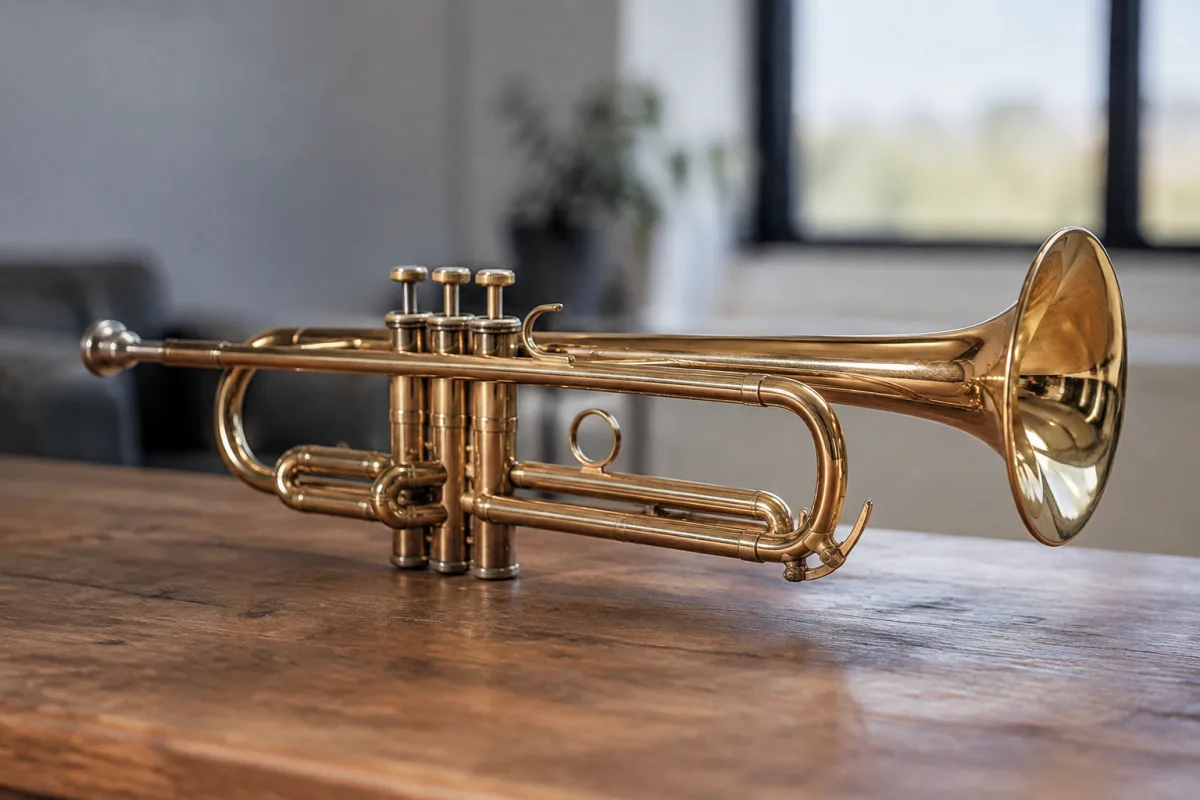
When you're ready to invest in a professional or student trumpet, Jean Paul instruments represent an excellent middle ground between budget options and premium brands. Whether you're upgrading from a student model or making your first serious purchase, understanding what distinguishes a quality Jean Paul trumpet will help you choose the right instrument for your needs and budget.
What Makes a Jean Paul Trumpet Worth Considering?
Jean Paul trumpets have carved out a solid reputation in the brass community by offering dependable build quality at accessible price points. Before diving into the buying process, it's worth understanding where these instruments sit in the broader trumpet market. For a comprehensive overview of Jean Paul trumpets and their characteristics, you may want to explore our complete guide to Jean Paul trumpets, which covers the brand's history and general specifications.
Understanding Jean Paul Trumpet Model Categories
Jean Paul produces trumpets across several price tiers, each designed for different experience levels and budgets. Understanding which category suits your needs is the first critical decision.
| Model Range | Typical Price | Best For | Key Characteristics |
|---|---|---|---|
| Student Models | £400-£700 | Beginners to intermediate players | Durable construction, easier response, reliable intonation |
| Intermediate Models | £700-£1,200 | Dedicated hobbyists, advancing students | Enhanced valve action, improved tone projection |
| Professional Models | £1,200-£2,500+ | Advanced players, professionals | Superior materials, refined response, complex tone options |
Essential Specifications to Evaluate
When examining a Jean Paul trumpet, focus your attention on these key specifications that directly affect playability and sound quality:
Bore Size
The bore diameter determines how the instrument responds and projects. A standard bore (around 0.460 inches) suits most players, whilst a slightly larger bore can enhance projection and depth. Narrow bore models tend to favour smaller players or those seeking a brighter tone. Always try different bore sizes if possible, as your personal preference matters more than specifications alone.
Bell Material and Thickness
Genuine brass bells (typically yellow or rose brass) produce superior tone compared to lacquered alternatives. A thicker bell generally delivers warmer, more durable tones, whilst thinner bells offer brighter, more responsive sounds. Jean Paul trumpets in the professional range typically use quality bell materials that contribute to their reputation.
Valve System Quality
The valve mechanism is where build quality becomes tangible. Look for smooth, reliable valve action with minimal air leakage. High-end Jean Paul models feature precision-engineered valves that require less maintenance and maintain responsiveness over years of playing.
What to Check Before Purchasing
Before committing to a Jean Paul trumpet purchase, conduct these practical evaluations:
Physical Inspection
- Check for dents and damage: Minor cosmetic dents may not affect playability, but significant damage to the bell or tubing requires professional repair and potential cost.
- Test valve response: Press each valve smoothly—they should return quickly and quietly without sticking or lag.
- Examine seals and gaskets: Look for signs of wear around valve casings and water key areas.
- Inspect the leadpipe: Ensure it's not bent or damaged, as this directly impacts tone quality.
Sound and Playability Testing
- Warm up before testing: Allow at least 5-10 minutes of playing to ensure fair evaluation, as cold instruments sound flat.
- Check intonation consistency: Assess whether the instrument plays in tune across different registers.
- Evaluate tone projection: Listen for clarity and whether the sound carries properly in a rehearsal space.
- Test flexibility: Try switching between registers and dynamic levels to assess responsiveness.
Common Pitfalls When Buying a Jean Paul Trumpet
Avoid these frequent mistakes that cost buyers money or lead to dissatisfaction:
Overlooking the mouthpiece: A quality mouthpiece is often overlooked but significantly impacts playability. Jean Paul instruments sometimes ship with basic mouthpieces; many players upgrade immediately and notice dramatic improvement.
Ignoring maintenance history: If purchasing second-hand, a badly maintained Jean Paul trumpet can have hidden valve damage or internal corrosion that isn't immediately obvious. Request maintenance records when possible.
Chasing specifications over personal feel: Bore size and bell material matter less than how the instrument feels to you personally. Always test before buying; no specification guarantees compatibility with your playing style.
Failing to factor in setup costs: A new Jean Paul trumpet may benefit from professional setup, regulation, or mouthpiece selection. Budget an additional £50-£150 for these services when calculating total investment.
Price Tier Guidance for Different Budgets
Your budget should guide which Jean Paul trumpet range to explore:
Under £600: Student Jean Paul models offer exceptional value for learning or recreational playing. These provide reliable intonation and durable construction without excessive weight on your wallet.
£600-£1,000: This range captures intermediate Jean Paul trumpets with noticeably improved valve action and tone quality. Ideal for serious students or amateur musicians in bands or orchestras.
£1,000+: Premium Jean Paul trumpets enter territory where tone refinement and response feel distinctly professional. Suitable for advanced amateurs and semi-professional players.
New vs. Second-Hand Jean Paul Trumpets
Purchasing decisions often involve choosing between new and second-hand instruments:
A new Jean Paul trumpet comes with manufacturer warranty, predictable condition, and no hidden issues. However, used models can offer better value, especially if the previous owner maintained the instrument properly. When buying second-hand, always inspect thoroughly, request a trial period if possible, and ask for documentation of maintenance.
Final Recommendations for Your Purchase
Take your time choosing a Jean Paul trumpet. Visit music shops where you can physically test multiple models; online descriptions rarely capture how an instrument feels to your individual playing style. Consider your current level honestly—advanced players make better use of premium Jean Paul models, whilst beginners rarely justify the expense of top-tier instruments.
Remember that a Jean Paul trumpet is an investment in an instrument that can serve you reliably for years with proper care. Don't rush the decision, and prioritise feel and sound quality over price or specifications alone. With attention to these factors, you'll select a Jean Paul trumpet that delivers both value and musical satisfaction.


Comments