


Brass Cleaning Kit Buying guide
Brass Cleaning Kit: A Complete Buyer's Guide
A brass cleaning kit keeps your instrument sounding bright and functioning smoothly for years. This buyer's guide covers what's essential, price tiers, and how to maintain your brass instrument properly.
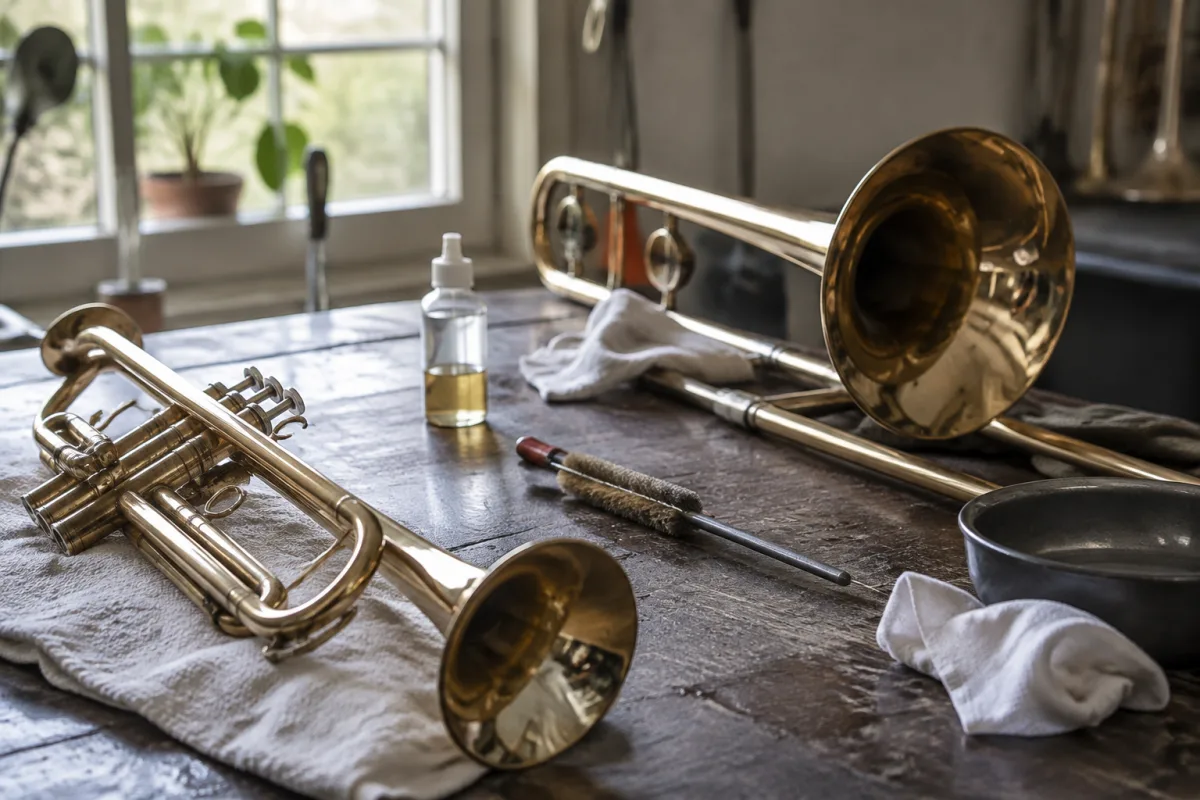
If you own a brass instrument—trumpet, trombone, French horn, tuba or any other—you already know that regular cleaning keeps it sounding bright, functioning smoothly and lasting for years. But buying a brass cleaning kit can feel like stepping into a specialist shop where you're not sure what you actually need. This guide explains what's in a good brass cleaning kit, what you can skip, and how to choose one that matches your instrument and commitment level to maintenance.
Why a Brass Cleaning Kit Matters
Brass instruments accumulate moisture, dust, old valve oil and debris inside the pipes and valves. Over time, this buildup corrodes the metal, causes valves to stick, and makes the instrument sound dull. A brass cleaning kit keeps the instrument performing at its best. The good news? Proper maintenance is straightforward and inexpensive, and a quality brass cleaning kit makes it easy.
The alternative—ignoring cleaning—is expensive. Stuck valves, internal corrosion and loss of tone require professional servicing that costs far more than any maintenance kit.
What's Inside a Typical Brass Cleaning Kit
Brush set: Long, flexible brushes designed to fit inside the brass pipes and tubing. A complete set includes multiple sizes to access different sections of the instrument. Quality brushes have soft bristles that clean without scratching the brass interior.
Cleaning cloth: Soft, lint-free cloth for wiping the exterior. Microfibre cloths are ideal—they polish brass without leaving streaks and can be washed and reused hundreds of times.
Valve oil: A thin lubricant that keeps valves moving smoothly. Most kits include a small bottle; you refill it as needed. Cheap valve oils leave residue; premium oils stay clean and slippery.
Slide grease: Used on slide sections (particularly on trombones). Prevents slides from sticking while keeping the seal tight. Some instruments need slide grease; others don't. Check your instrument's manual.
Brass polish: For the exterior, to remove tarnish and restore shine. Some kits include cloth-impregnated polish bars; others include liquid polish. Both work—liquid is more consistent, bars are more economical.
Snake (or pull-through brush): A long flexible brush on a cable, used for deep cleaning valve sections. Invaluable for thorough maintenance, though unnecessary for casual players doing basic weekly cleaning.
Cleaning solvent or water: Some kits include specialized solutions for soaking valve sections. Others recommend warm water, which is often sufficient. Premium kits include chemical solvents for deeper cleaning.
Starter Kits vs. Complete Kits vs. Specialist Kits
Starter kits (£15–£30): Include brushes, cloth, valve oil and basic polish. Ideal if you're new to maintenance or you practice casually (a few hours weekly). These handle regular weekly cleaning perfectly well.
Complete kits (£30–£60): Add slide grease, better quality oils, snakes and possibly additional brushes. For students or amateur musicians who play several hours per week, this tier is ideal. It covers everything you'll encounter during normal maintenance.
Specialist or premium kits (£60–£120+): Include professional-grade oils, multiple snakes, advanced polishes, and sometimes special tools for specific instruments. Worth considering if you play intensively, own multiple brass instruments, or plan long-term ownership.
Instrument-Specific Considerations
Trumpet and cornet: Need valve oil and brush set. Slide grease is optional for most modern trumpets, though some models have a removable third valve slide.
Trombone: Absolutely needs slide grease. A good brass cleaning kit for trombone prioritises this. Valve oil is unnecessary for slide trombones (no valves), but essential for valve trombones.
French horn: Complex valve system requires quality valve oil and proper brushes. A complete kit is recommended over a starter kit.
Tuba: Large bore requires longer brushes. A tuba-specific cleaning kit is worth seeking out, though quality general kits often work fine.
Common Mistakes When Buying a Brass Cleaning Kit
- Buying a cheap generic kit: Avoid kits with harsh brushes or thin oils. They scratch the inside of your instrument and leave residue. Spend a bit more for quality components.
- Assuming all brass cleaning kits contain everything you need: Check what's included before buying. Some omit slide grease; others skip valve oil. Read the description carefully.
- Buying specialist kits for instruments you don't own: A trombone-specific kit won't help you maintain a trumpet. Match the kit to your instrument.
- Neglecting to actually use it: A cleaning kit sits unused in a drawer if maintenance isn't routine. Commit to weekly 10-minute cleaning sessions for the best results.
- Using household cleaners instead of valve oil: Vegetable oil, machine oil or other household lubricants damage brass and leave sticky residue. Always use proper valve oil.
Building Your Own vs. Buying a Complete Kit
Most players benefit from buying a ready-made kit—it's convenient and usually more economical than buying components individually. However, if you're particular about brands or you already own some supplies, assembling your own is straightforward. Estimate £20–£50 to source quality components separately versus £25–£60 for a complete kit.
Maintenance Schedule
Weekly: wipe exterior with cloth, clean the mouthpiece, apply valve oil to valves.
Monthly: deep valve cleaning with brushes, full slide cleaning (trombone), exterior polish.
Annually: professional servicing (especially for school instruments that see heavy use).
A brass cleaning kit makes every step of this schedule manageable. Proper routine maintenance means your instrument stays sounding beautiful and functioning reliably for decades.
For detailed information about brass instrument care, cleaning methods and specific product recommendations, check our full brass cleaning kit guide.
Invest in Your Instrument
A good brass cleaning kit is one of the most valuable investments a brass player can make. It's inexpensive, it lasts years, and it protects an instrument that might cost hundreds or thousands. Start with a complete starter or mid-range kit, establish a maintenance routine, and your brass instrument will thank you with consistent, beautiful sound for as long as you play.



Comments