


Florence and the Machine article
Florence And The Machine for Beginners: A Complete Guide
Florence and the Machine's catalogue spans from theatrical indie rock to refined art pop. This beginner's guide helps you find entry points that genuinely resonate rather than forcing chronological listening.
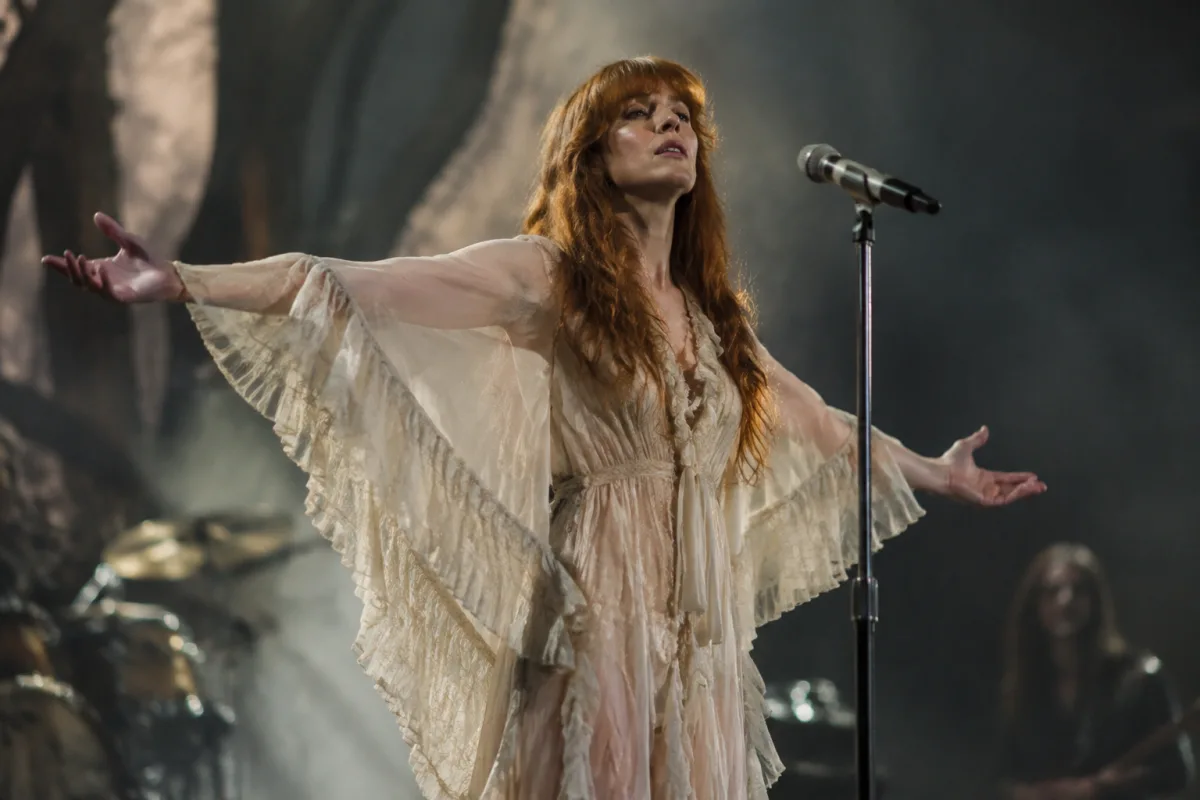
If you've heard of Florence and the Machine but never quite connected with their music, or you've recently discovered a single that intrigued you and want to know where to start exploring their catalogue, you might feel overwhelmed by their discography and rapidly evolving sound. Florence Welch's project spans rock, art pop, folk, and electronic influences, creating a body of work that challenges simple categorization. This beginner's guide introduces you to Florence and the Machine without expecting you to become an instant expert, helping you find entry points that genuinely resonate with you rather than pushing you through their entire catalogue.
Understanding Florence Welch and the Project's Evolution
Florence and the Machine isn't a traditional band; it's primarily Florence Welch's creative project with various collaborators supporting her vision. What makes this relevant to beginners: Florence's voice and songwriting sensibility remain central throughout their discography, even as the production and sonic direction evolve significantly between albums. Early albums (2008–2011) emphasised baroque pop and indie rock; later work (2015–present) moved toward refined art pop and sophisticated production. Understanding this evolution helps you navigate their catalogue; you're not confused by dramatic sound shifts—you're witnessing intentional artistic progression. Florence remains the consistent element, so if you enjoy her voice and emotional directness, you'll likely find value across their work even as production styles change.
Start With Their Most Accessible Work
For complete newcomers, beginning with the album "Lungs" (2008) or "Ceremonials" (2011) is often recommended, but that's not universal advice. Different people connect with different albums depending on their musical tastes. If you prefer intimate, emotional songwriting, consider "How Big, How Blue, How Beautiful" (2015) or "High as Hope" (2018). If you want bigger, more cinematic production, "Ceremonials" delivers that immediately. Rather than forcing chronological listening, explore around one song you've already heard and liked. Did you hear "Shake It Out" and want more of that energy? Start with "Ceremonials." Did a quieter acoustic track move you? Jump to "High as Hope." Building from one song you already love prevents the disorientation of starting with unfamiliar material.
Key Singles and Their Significance
Florence and the Machine have produced numerous singles that serve as excellent starting points. "Kiss With a Fist" (2008) showcases their indie rock roots with explosive energy. "Dog Days Are Over" (2008) demonstrates their ability to build from delicate verses to powerful choruses. "Shake It Out" (2011) became their biggest commercial track, capturing the anthemic sound that defines "Ceremonials." "Only If For a Night" (2011) reveals their softer, more vulnerable side. "Ship to Wreck" (2015) shows their refined art pop direction. "Hunger" (2018) displays sophisticated production and emotional intimacy. Starting with any of these gives you a foothold in their catalogue. From there, explore the album the song came from; each track in context reveals more about their artistic thinking than isolated singles can.
Understanding Their Vocal Delivery and Emotional Intensity
Florence Welch's voice is her most distinctive element: powerful, sometimes raw, emotionally expressive, and deliberately unconventional. She doesn't always sing in perfect pitch; she bends notes, cracks her voice intentionally, and prioritises emotional authenticity over technical perfection. Some listeners immediately connect with this approach; others find it unusual initially. If her voice feels odd on first listen, don't dismiss it. Give a track 2–3 careful listens; her delivery often feels more natural and emotionally powerful than technically perfect singing. The emotional intensity of her lyrics and performance requires active listening rather than passive background music. Florence and the Machine rewards attention and emotional engagement.
Navigating Their Discography by Era
Early Era (2008–2011): "Lungs" and "Ceremonials" emphasise baroque pop production, indie rock energy, and maximum vocal intensity. These albums showcase Florence's theatrical sensibility and powerful voice. Perfect if you love dramatic arrangements and energetic songwriting.
Refined Era (2015–2018): "How Big, How Blue, How Beautiful" and "High as Hope" represent artistic maturation. Production is more sophisticated, lyrics more introspective, arrangements more spare. Florence's voice is still central but balanced with subtle instrumentation. Excellent if you prefer emotional intimacy and detailed songwriting.
Recent Era (2022+): "Dance Fever" continues the refined art pop direction with added electronic elements and dance-influenced rhythms. Contemporary production while maintaining Florence's distinctive vocal approach. Good entry point if you prefer modern production without sacrificing emotional depth.
Avoiding Common Beginner Misconceptions
One frequent misunderstanding: Florence and the Machine produces exclusively high-intensity music. Actually, their discography includes genuinely quiet, intimate tracks balancing the more theatrical songs. "Shake It Out" sounds nothing like "Only If For a Night," even though both come from the same album. Expecting consistent intensity misses the range and intentional contrast within albums. Another mistake: assuming technical perfection equals better songwriting. Florence prioritises emotional expression over technical precision; imperfect execution serves the emotional message. Judging her voice against technically flawless singers misses the point; her voice is an instrument of emotional communication, not a showcase for vocal gymnastics.
Beginners also sometimes fixate on their biggest commercial tracks ("Shake It Out," "Dog Days Are Over") and conclude that's their entire identity. Florence and the Machine produces sophisticated deep cuts alongside popular singles. Albums reward full listening; single tracks don't capture their range. Also avoid assuming their lyrics are simple. Florence's songwriting is genuinely literary, dense with imagery and metaphor that reveals more meaning with repeated listening. One listen rarely reveals complete understanding; the complexity is intentional.
Exploring Deep Cuts and Album Tracks
Once you've connected with a few singles or album tracks, dig deeper into the full albums. Florence and the Machine rarely wastes album space on filler. Deep cuts often reveal the most moving moments. "My Boy Only Breaks His Favourite Toys" from "Ceremonials," "Cosmic Love" from "Lungs," "God Knows" from "High as Hope"—these album tracks showcase their most sophisticated songwriting. They didn't receive heavy radio play, which is precisely why discovering them feels rewarding. Full album listening is genuinely valuable rather than a chore.
Live Performance and Visual Expression
Florence's live performances are theatrical experiences rather than standard concerts. Watching her perform reveals dimensions of the music that studio versions don't capture: her physical presence, her emotional connection to lyrics, the energy she brings. YouTube performances and live albums ("MTV Unplugged," concert videos) add valuable perspective. Florence and the Machine's music is visual and performative; experiencing it live changes how you hear studio recordings. If live video feels accessible, explore this perspective. It deepens understanding and connection significantly.
Building Your Florence and the Machine Appreciation
Your entry point doesn't need to be the "correct" starting place. Start with one song that moved you, explore that album, and follow your curiosity. Over months or years, you'll naturally encounter their full catalogue and develop your personal relationship with their work. There's no rush to experience everything immediately. Florence and the Machine rewards gradual discovery; forced comprehensive listening creates obligation rather than enjoyment. Allow yourself time to develop genuine appreciation. Read the complete guide to Florence and the Machine once you're ready for deeper exploration of their career, influences, and artistic development.
Conclusion
Getting started with Florence and the Machine means beginning with one song or album that intrigues you rather than forcing yourself through chronological discography. Understand that Florence's voice and emotional intensity are features, not flaws. Recognize that their catalogue ranges from theatrical and energetic to intimate and refined; albums reward full listening for complete perspective. Her lyrics are literary and benefit from repeated engagement. Live performances add valuable dimensions. Allow yourself time for gradual discovery rather than pressured comprehensive understanding. The learning journey is genuinely enjoyable if you approach it with openness to her artistic vision rather than expectations about what popular music should be.


Comments