


Florence and the Machine Buying guide
Florence And The Machine: A Complete Buyer's Guide
Building a Florence and the Machine collection involves smart choices about formats, editions, and where to buy. This guide covers practical purchasing decisions for fans.
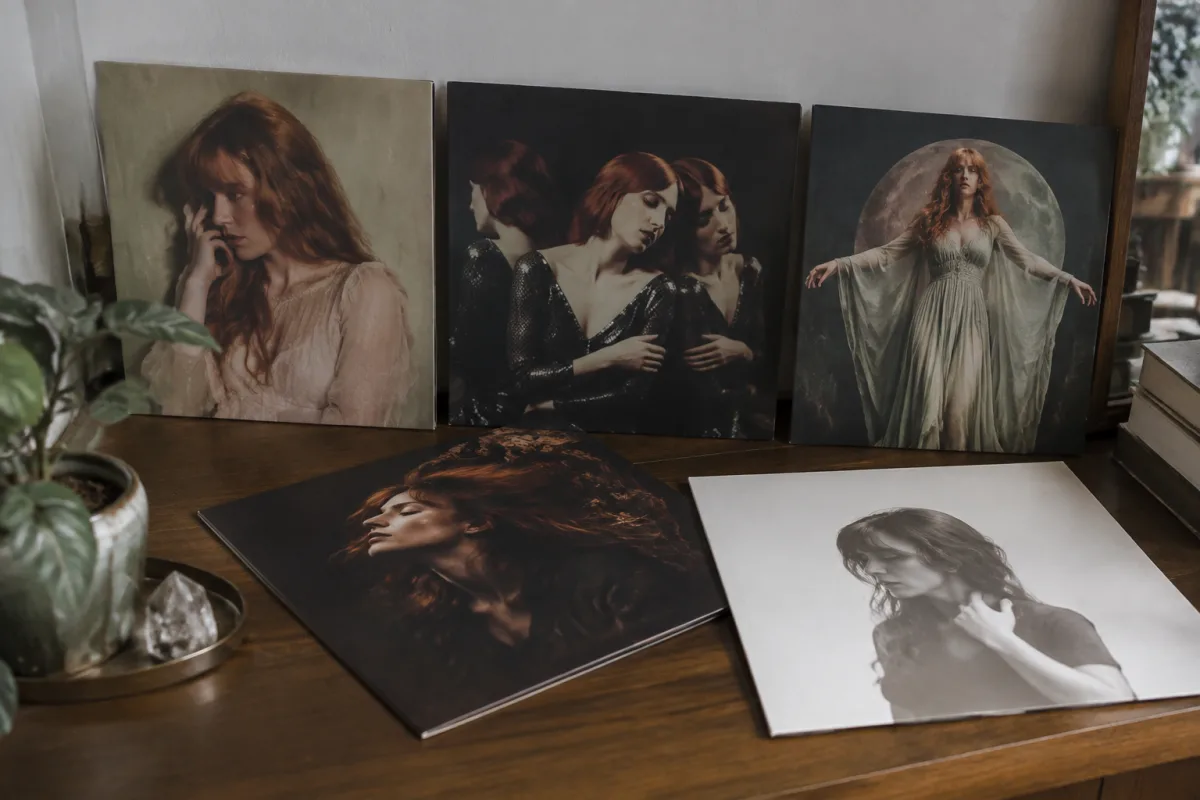
Building a Florence and the Machine collection involves genuine decisions that most fans don't think through carefully. You're choosing between formats (vinyl, CD, digital), editions (standard, deluxe, import), new versus second-hand, and figuring out which albums and albums to prioritise when money isn't unlimited. This guide cuts through the options and gives you practical buying criteria: how to choose between formats, which albums deliver most for your money, where to source authentic copies versus counterfeit garbage, how rare editions actually work, and how to build a collection smartly without spending recklessly.
Understanding Florence and the Machine's Discography
Florence Welch has released five studio albums (as of 2024), each with distinct character and fan followings. Rather than comprehensive discography, here's the practical breakdown for buying:
- Lungs (2008): Debut album, essential listening. Contains "Kiss with a Fist" and "Dog Days Are Over." Available in multiple editions; the deluxe version adds acoustic versions and B-sides. Strong first album for any fan. Vinyl copies are widely available and reasonably priced.
- Ceremonials (2011): Breakthrough album, massive commercial success. "Florence and the Machine" became a cultural phenomenon. More sophisticated production than Lungs. Readily available in all formats. Vinyl pricey but good quality pressings exist.
- How Big, How Blue, How Beautiful (2015): Darker, more introspective sound. Fewer chart hits but deeper fan appreciation. More difficult to find in physical formats; digital copies are easiest. Vinyl exists but rarer; expect to pay more.
- High as Hope (2018): Introspective indie-influenced approach. Commercial underperformer by her standards, but artistically respected. Physical copies less common; digital and streaming are practical routes.
- Dance Fever (2022): Return to dance-pop energy and collaboration. Most recently released; widely available in all formats. Standard and deluxe editions both common. Best value for physical copies because supply is highest.
Buying priority depends on your goals. If you want essential Florence, Lungs and Ceremonials are mandatory. If you're exploring deeply, the later albums reward investment. If you're casual, Dance Fever offers recent, dance-forward material.
Format Choices: Vinyl, CD, Digital, or Streaming?
Each format has genuine tradeoffs worth understanding:
- Vinyl: Most expensive format (£20–40 per album), but collectible and tangible. Deluxe vinyl editions with art books and poster command premium prices. Sound quality is genuine but overrated by enthusiasts (a good CD often sounds more faithful to the mastering). Buy vinyl if you're collecting physical media or enjoy the ritual of vinyl listening. Don't buy vinyl thinking it automatically sounds better; modern pressing quality varies. Ceremonials vinyl is well-pressed and worth buying; later albums vary more.
- CD: Middle ground: £8–15, reliable sound quality, easy to rip digitally if needed. Deluxe CD editions offer bonus tracks on second discs. CDs are becoming rarer in shops (moving toward online-only), but prices remain reasonable. Practical if you want physical media without the commitment of vinyl.
- Digital (iTunes, Amazon Music): Cheap (typically £8–10 per album), instant, no physical storage needed. Quality is compressed MP3 or AAC; genuine audiophiles note the difference. Practical if you want the music without physical media. Individual tracks are possible; buying the full album is usually better value.
- Streaming (Spotify, Apple Music): Cheapest long-term (£10–15 monthly for entire library), but you don't own anything. Great for exploration and background listening. Poor choice if you want permanent ownership or offline access. Albums vanish if artists remove them (rare, but possible).
For Florence and the Machine specifically, streaming plus selective CD or vinyl purchases is the practical approach. Stream to explore; buy CD for albums you'll play repeatedly; vinyl for collectible favourites.
Edition Types and What They Actually Offer
Labels release multiple editions of albums, often with confusing naming. Here's what you're actually buying:
- Standard edition: The basic version. Core album only, no bonus tracks. Most affordable. Perfectly fine unless you're specifically seeking bonus material.
- Deluxe edition: Includes bonus tracks (B-sides, acoustic versions, remixes), often spread over 2 CDs or on vinyl as gatefold package with art book. Typically £5–10 more than standard. Worth it if you want comprehensive Florence material; skip if cost matters.
- Import edition (Japan, Europe): Releases from non-UK/US regions often include bonus tracks unavailable elsewhere. Japanese imports especially common for bonus content. Can cost significantly more (£30–60) because of import markup. Only buy imports if the bonus tracks genuinely matter to you.
- Target exclusive, Walmart exclusive, etc.: Retailers often get exclusive bonus tracks or alternate art. Usually not worth the markup unless you're aiming for comprehensive collection. Common in US; less common in UK.
- Signed copies: Florence occasionally signs copies for specific retailers (usually online at release). Dramatically more expensive (£50+) but genuinely collectible. Only buy if you're specifically collecting signed items; otherwise it's a novelty.
The honest truth: standard editions contain the album you want. Deluxe editions offer bonus material at reasonable markup. Imports and exclusives are indulgences for dedicated collectors. If money is tight, standard edition CD is the smart buy.
New Versus Second-Hand: Where to Actually Buy
Sourcing matters, particularly for physical media:
- Major retailers (Hmv, Amazon UK, Sainsbury's): Reliable, new copies, reasonable prices. Standard edition CDs typically £8–12, vinyl £25–30. No risk of damage or counterfeits. Best choice for most people.
- Independent record shops: Often stock Florence's albums. Prices vary; sometimes better deals, sometimes markup. Personal recommendation and listening is possible. Support local shops if prices are reasonable.
- Discogs (second-hand marketplace): Huge selection of Florence editions, including rare out-of-print copies. Prices reflect rarity; common editions often cheaper than retail, rare editions dramatically more expensive. Check seller ratings and condition descriptions carefully. Risk of damage in shipping.
- eBay: Mixed bag—bargains and gouging coexist. Be wary of "brand new" listings at odd prices (potential counterfeits). Auction format makes predicting final cost difficult. Use caution.
- Local charity shops: Occasional finds at bargain prices. Hit-or-miss; most shops stock copies of Lungs and Ceremonials eventually. Check condition before buying.
- Counterfeits: Real risk with popular artists like Florence. Dodgy online sellers ship bootleg CDs with cheap packaging. If a deal seems suspiciously cheap, it probably is. Stick with legitimate retailers.
For new copies, major retailers are safest. For second-hand, Discogs is reliable if prices don't seem inflated. Avoid suspiciously cheap copies from unknown sellers.
Building a Collection Sensibly
Rather than buying everything at once, a practical approach is:
- Start with Lungs and Ceremonials (essential albums, readily available, reasonable prices).
- Stream the later albums (High as Hope, How Big How Blue How Beautiful, Dance Fever) to understand what resonates with you.
- Buy CD copies of albums you'll listen to repeatedly. Start with standard editions; upgrade to deluxe later if bonus content interests you.
- Collect vinyl of your absolute favourites (probably Lungs and Ceremonials for most fans).
- Watch for reissues or special editions. Record labels occasionally reissue older albums with new art; these are worth monitoring if you're interested in newer pressings.
This approach avoids impulse purchases and lets you build thoughtfully. You end up with albums you'll actually use rather than completist collections gathering dust.
Concert Tickets and Live Recordings
Beyond studio albums, Florence releases live recordings and special editions. Her live albums capture the theatrical intensity her performances are known for. Live recordings are genuinely different from studio versions—often superior performances with different arrangements. If you're serious about Florence, a live album complements the studio collection meaningfully.
Concert tickets deserve mention: Florence shows are typically £50–100+ depending on venue. Shows are genuinely theatrical; if you have the opportunity, live performances are an investment worth making. Recorded performances don't capture the same experience.
Collecting Smartly: Avoiding Common Traps
- Buying every edition obsessively: You'll end up with ten versions of the same album and a depleted budget. Collect selectively; quality over quantity.
- Assuming rare editions are automatically valuable: Rarity doesn't equal value unless collectors genuinely demand it. Some rare Florence editions sell cheaply because few people want them. Buy rare editions because you genuinely want them, not because rarity inflates value.
- Trusting counterfeit sellers: If the price seems impossible, the product is likely counterfeit. Stick with legitimate retailers.
- Overcommitting to vinyl: Vinyl is beautiful but expensive. Buy vinyl for albums you'll play regularly; don't buy vinyl thinking it's an investment vehicle (unlike rare first pressings from famous artists, modern Florence vinyl rarely appreciates).
The Complete Florence and the Machine Experience
Building a genuine Florence and the Machine collection means studio albums, live recordings, and (if interest runs deep) exploring B-sides and rare performances. Most fans reasonably collect Lungs and Ceremonials, then selectively acquire later material based on personal taste. That's a substantial collection without breaking budget.
For a comprehensive overview of Florence and the Machine and their discography, see our complete guide to Florence and the Machine.


Comments