


Mic Preamps article
The Complete Guide to Mic Preamps
Microphone preamps are the critical first stage in any recording chain. Discover what they do, how different types compare, and how to choose one that transforms your recordings.
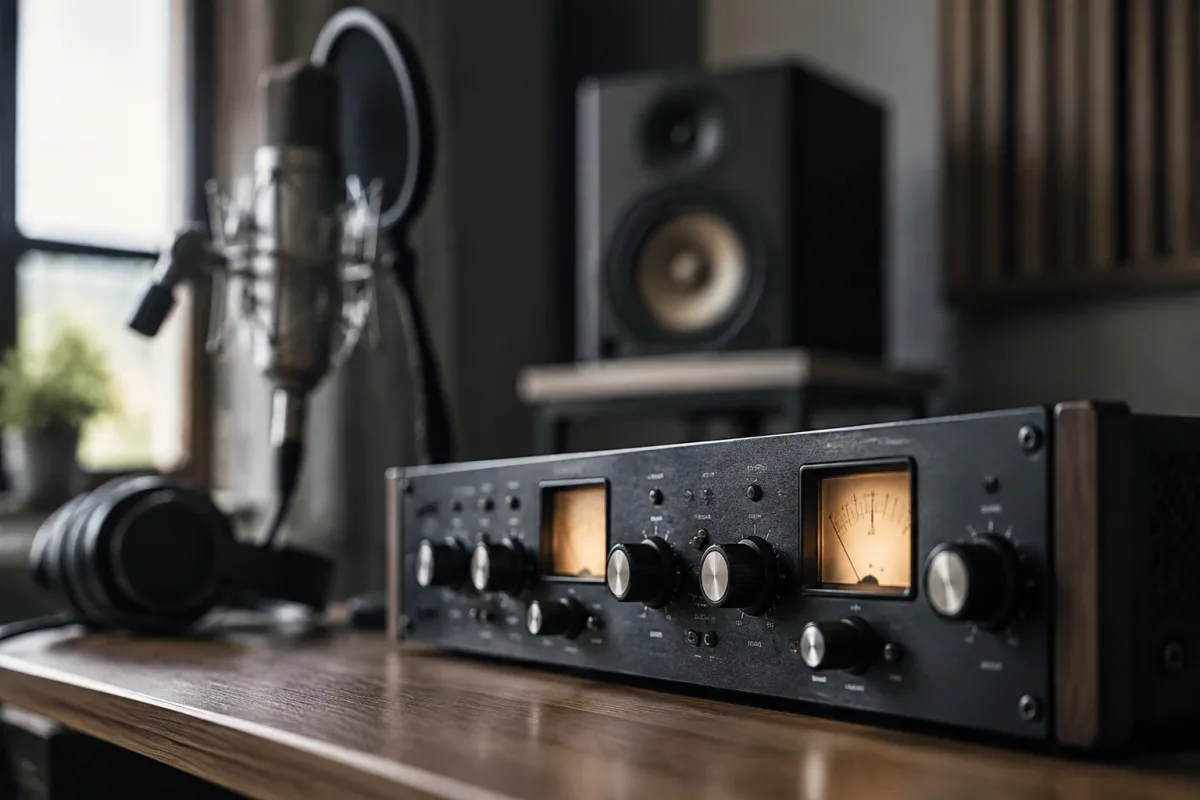
Microphone preamps are the unsung heroes of any recording setup, sitting between your microphone and the rest of your audio chain. Whether you're tracking vocals in a professional studio, recording podcasts at home, or capturing live performances, understanding mic preamps is essential to getting professional-quality sound. A quality preamp can transform an ordinary microphone into a truly exceptional recording tool.
What Are Mic Preamps?
A microphone preamp is a specialised amplifier designed to boost the extremely weak signal produced by a microphone to line level—the standardised voltage used by mixing consoles, audio interfaces and recording equipment. Microphones generate signals measured in millivolts; without amplification, these signals would be virtually inaudible and prone to noise interference. The mic preamp takes this delicate signal and raises it to usable levels whilst maintaining clarity and fidelity.
Most audio interfaces include built-in mic preamps, but standalone mic preamps have become increasingly popular among serious recording enthusiasts and professionals. Why? Because a dedicated preamp offers several advantages: superior sound quality, additional features like multiple gain stages, and the ability to choose a preamp that complements your specific microphone and recording style.
How Mic Preamps Work
The basic function of a mic preamp is straightforward: receive a weak microphone signal, amplify it, and pass it on. However, the way this amplification occurs significantly affects the character of your recording. Different preamp designs impart different sonic qualities—some add warmth and colour, whilst others prioritise transparency and accuracy.
Most mic preamps include a gain control that allows you to adjust how much the incoming signal is boosted. Proper gain staging is crucial: too little gain leaves your recording quiet and requires excessive boosting at the mixing stage, which introduces unwanted noise; too much gain risks clipping and distortion. A good preamp provides enough headroom and a clear visual indicator—usually an LED meter or display—to help you set the correct level.
Many quality mic preamps also include additional circuitry like equalisation, phantom power for condenser microphones, and sometimes even built-in compression or limiting. These features make a preamp far more versatile than a simple amplifier.
Types of Mic Preamps
Mic preamps come in several varieties, each with distinct sonic characteristics:
- Tube preamps use valve technology and are prized for adding warmth, harmonic distortion and a "thick" quality to recordings. They're more expensive and require maintenance, but many engineers swear by them for vocal and bass recordings.
- Solid-state preamps use transistors and integrated circuits. These offer cleaner amplification with minimal colouration, excellent reliability and lower cost. They suit recordings where transparency is paramount.
- Optical preamps use photoresistor technology for natural-sounding dynamic control. They're less common but highly regarded for their smooth, musical compression characteristics.
- Ribbon microphone preamps are specifically designed to work with ribbon mics, which require lower impedance and often benefit from higher input levels than condenser or dynamic microphones.
- Channel strips combine a mic preamp with EQ, compression and sometimes other tools in a single unit, offering an all-in-one solution for recording and mixing.
Key Features to Consider
When selecting a mic preamp, several specifications and features matter:
| Feature | Why It Matters |
|---|---|
| Gain Range | A wider gain range (often 0–80dB) gives you flexibility with microphones of different sensitivities and recording scenarios. |
| Noise Floor | Lower noise means quieter recordings with less hiss. Look for specs under 130 dBA (EIN). |
| Maximum Input Level | Determines the highest sound pressure level the preamp can handle without distorting; important for loud sources. |
| Phantom Power | Essential if you're using condenser microphones, which require 48V phantom power to operate. |
| Impedance Matching | Some preamps are designed to work best with specific microphone types; a good preamp interfaces cleanly with your mics. |
| Impedance Output | Ensures the preamp output works reliably with your interface or mixing console's input impedance. |
Choosing the Right Mic Preamp for Your Setup
The best mic preamp depends entirely on your needs and budget. If you're recording vocals and bass—instruments where a bit of character enhancement is welcome—a tube or optical preamp might reward you with inspiring, polished recordings. If you're recording acoustic instruments, podcasts or spoken word, where clarity and accuracy matter most, a transparent solid-state preamp is often the smarter choice.
Consider your microphone too. A sensitive large-diaphragm condenser might pair beautifully with a warm tube preamp for intimate vocal recordings. A ribbon microphone benefits from a preamp designed for its lower output level. If you're using multiple microphone types, you'll want a preamp that handles all of them well.
Budget is also realistic; excellent mic preamps exist at every price point. Entry-level solid-state preamps offer remarkable value and deliver professional results. Mid-range options begin to introduce subtle colouration and refinement. High-end boutique preamps (especially tubes) command premium prices for their heritage, precision and distinctive sound.
Mic Preamps in Modern Recording
In today's recording landscape, the role of mic preamps has evolved. Many home studios start with an audio interface containing a passable built-in preamp. As you grow your setup and your skills, adding a dedicated mic preamp becomes an obvious upgrade. It's often one of the smartest investments you can make in your recording chain—improving every vocal, instrument and voice recording that passes through it.
Whether you're upgrading from your interface's preamp or building a professional vocal chain, a quality mic preamp makes an audible, dramatic difference. The signal path from microphone to preamp is one of the most critical moments in recording; investing in this link pays dividends across every session.
Conclusion
Mic preamps are far more than simple amplifiers—they're the first, most important stage in your recording chain. A quality mic preamp colours the sound with character, provides flexibility for different microphones and sources, and ultimately contributes significantly to the professional polish of your recordings. Whether you choose a warm tube design, a transparent solid-state unit or something in between, a dedicated mic preamp is a worthwhile investment for anyone serious about recording quality audio.






Comments