


Yanagisawa Saxophone article
The Ultimate Guide to Yanagisawa Alto Saxophone
Yanagisawa has built premium saxophones since 1963, trusted by jazz professionals worldwide. Discover why Yanagisawa offers exceptional tone at accessible prices.
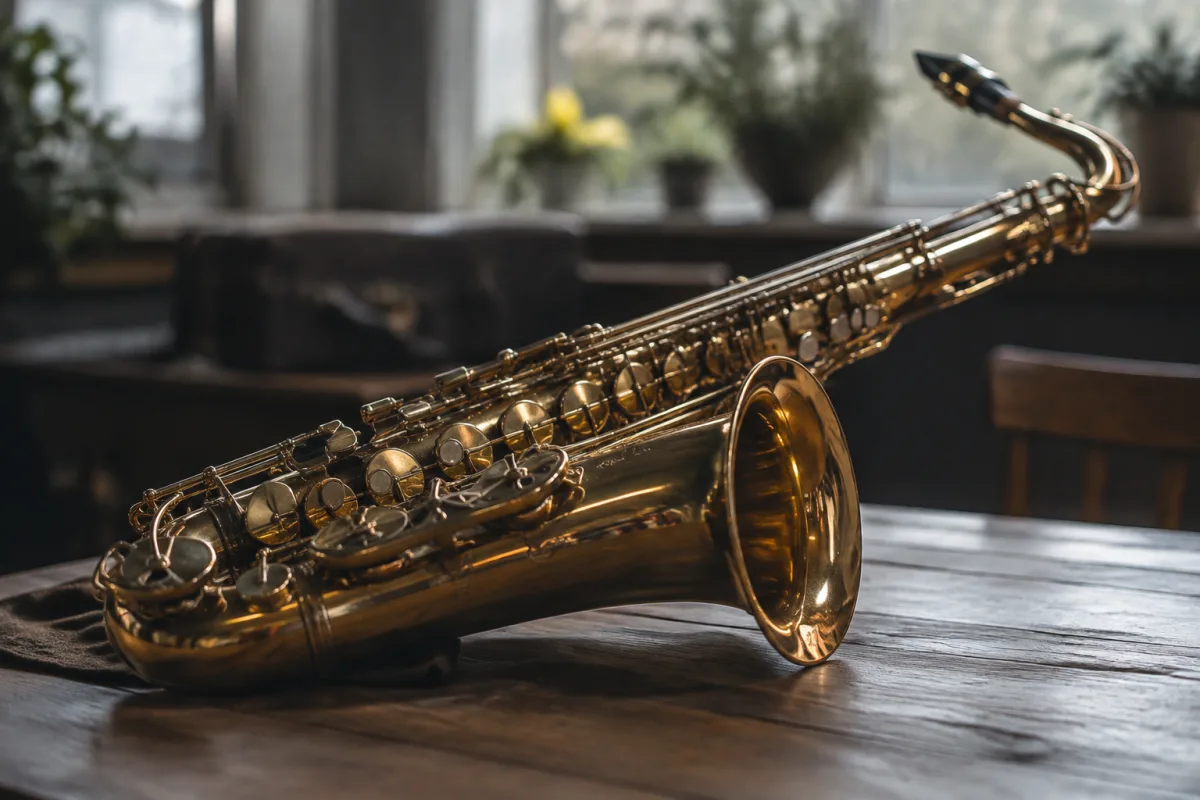
Yanagisawa has built saxophones in Tokyo since 1963, earning a reputation as a premium alternative to Selmer and Yamaha. A Yanagisawa saxophone is the choice of jazz professionals who've auditioned multiple brands and chosen Yanagisawa for its tone, response and build quality. These instruments are not the most affordable saxophones, but they deliver world-class performance at lower cost than European collector instruments.
Yanagisawa's Philosophy and History
Founded by Iwao Yanagisawa, the company prioritised precision manufacturing and tonal excellence. Yanagisawa saxophones combine traditional handcrafting with modern precision tooling, resulting in consistent quality across every instrument. The Tokyo factory employs skilled craftspeople who've worked for decades, maintaining standards that rivals acknowledge.
The brand is less famous than Selmer, making Yanagisawa saxophones an inspired choice for players who value substance over marketing. Professional jazz musicians worldwide play Yanagisawa, though the brand never became a household name.
Yanagisawa Saxophone Models and Ranges
Yanagisawa offers student models (YAS series), intermediate instruments (YAS-475) and professional saxophones (YAS-82Z, YAS-92). The student models cost £800–1200 and are solid for learners. Intermediate models run £1500–2500. Professional Yanagisawa saxophones cost £2500–4500.
The progression is logical: students start on YAS-23 or YAS-25, upgrade to YAS-475 once proficient, and move to YAS-82Z or YAS-92 as professionals. Many players stay with Yanagisawa across this progression, never feeling the need to switch brands.
Alto vs Tenor Saxophones
Yanagisawa makes alto, tenor, baritone and soprano saxophones, each with distinct tone and range. The alto is smaller and higher-pitched, ideal for learning and popular in classical saxophone. The tenor is larger, lower and more versatile — the workhorse of jazz and funk. The baritone is deep and dark; the soprano is high and piercing.
Most players start on alto and eventually explore tenor. A Yanagisawa alto is excellent for beginners; professionals often own multiple Yanagisawa saxophones for different contexts.
Sound and Tone
A Yanagisawa saxophone has warm, focused tone with excellent projection. The sound is sophisticated and controlled — not as raw and aggressive as some vintage American saxophones, but refined and musical. The tone develops as you improve, rewarding good technique.
Intermediate Yanagisawa models have surprising depth for the price. Professional models rival Selmer Paris saxophones in tone, a remarkable achievement at half the cost.
Build Quality and Materials
Yanagisawa uses brass throughout, with precise manufacturing tolerances. Pads and springs are quality components that resist wear. The keywork is finely machined; the action is responsive and reliable. The mouthpiece and neck are carefully matched for optimal tone and response.
Every Yanagisawa saxophone arrives pre-adjusted and ready to play. You don't need expensive setup by a specialist — the factory precision eliminates that expense.
Intonation and Response
A critical factor in saxophone selection is intonation — how accurately the instrument plays in tune across all registers. Yanagisawa saxophones have excellent intonation, requiring minimal compensation from the player. The response is quick and articulate, ideal for jazz improvisation and classical technique.
Student models have slightly more intonation variance than professional instruments, but still excellent for the price. The progression improves steadily: better intonation, faster response and richer tone as you move up the range.
Yanagisawa vs Selmer
Selmer is the benchmark — vintage Selmer Mark VI saxophones are legendary and expensive (£3000–8000 used). Selmer Paris (modern production) costs £3000–5000. Yanagisawa offers comparable quality at lower cost and with modern precision manufacturing.
The choice often comes down to tone preference. Selmer saxophones are brassier and more aggressive; Yanagisawa saxophones are refined and controlled. For jazz, some prefer Selmer's edge; for classical or elegant jazz, Yanagisawa is superb.
Resale Value
Yanagisawa saxophones hold value well. A used Yanagisawa typically resells for 50–70% of its original price, reflecting the market's confidence in the brand. Professional models hold value better than student instruments, as they remain desirable to gigging musicians.
This resale value means buying a Yanagisawa is a sound investment. If you later upgrade, you'll recover a reasonable portion of your investment.
Maintenance and Durability
A Yanagisawa saxophone requires normal maintenance: regular cleaning with a swab, occasional pad replacement (every 3–5 years depending on playing frequency) and regular regulation checks. The build quality means maintenance costs are moderate — no catastrophic failures or expensive repairs.
Many Yanagisawa saxophones still play beautifully after 30+ years with minimal maintenance, testament to the construction quality.
Yanagisawa Saxophones for Different Playing Styles
Jazz musicians appreciate the warmth and articulation. Classical saxophonists value the precision intonation and refined tone. Funk and R&B players use the responsive keywork for fast, rhythmic passages. Studio musicians favour Yanagisawa for reliability and consistent tone across multiple sessions.
Conclusion
A Yanagisawa saxophone offers professional tone and build quality at accessible prices, making it an inspired choice for players who've outgrown student instruments and want to invest in something genuinely excellent. Whether you're learning to play, performing regionally or recording at professional studios, a Yanagisawa saxophone will serve you faithfully and sound beautiful in any musical context.




Comments