


Soprano Recorders article
Soprano Recorders for Beginners: A Complete Guide
Starting with a soprano recorder is achievable for everyone. Learn proper hand position, how to produce your first clean tones, and essential care so your instrument lasts for years.
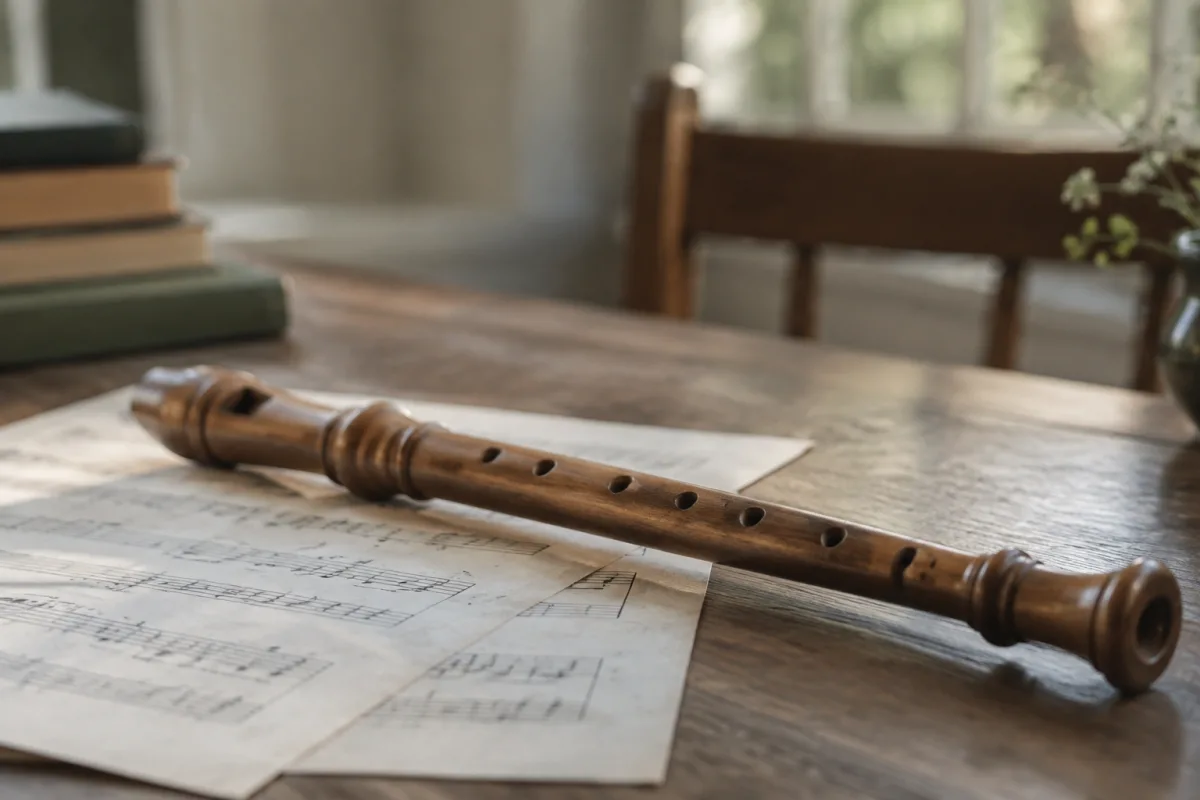
Picking up a soprano recorder for the first time can feel daunting. It looks small, plays high, and if you're new to woodwind instruments, you might worry you'll sound terrible or damage it straight away. The good news: soprano recorders are actually beginner-friendly. They're designed for new players, they're affordable, and you can produce recognisable notes within minutes of trying one. This guide takes away the fear, walks you through how to hold it, produce your first clean tones, and care for your instrument so it lasts.
Understanding Your Soprano Recorder
A soprano recorder is the smallest common recorder, about 32 cm long, played end-to-end (you blow into the top). Soprano recorders produce the highest-pitched sounds and were historically the standard beginner instrument in schools. Despite its diminutive size, soprano recorders are remarkably forgiving: the finger holes are large and easy to find, the mouthpiece is simple, and the mechanics are purely mechanical—no reeds, springs, or complicated bits to maintain.
Your soprano recorder has seven finger holes, eight notes in its natural range, and the ability to play higher notes through overblowing once you're comfortable. As a beginner, you'll focus on the seven-hole finger patterns and the basic scale.
Holding Your Soprano Recorder Correctly
Proper hand position prevents strain and makes playing easier. Hold your soprano recorder at a slight downward angle (roughly 45 degrees) from your mouth. Your left hand covers the holes closer to your mouth; your right hand covers the lower holes. Keep your thumbs underneath for support, fingers curved naturally over the holes—imagine you're gently holding a ball.
Don't clench your fingers or press hard on the holes. Gentle finger placement is enough. Tension in your hands makes playing uncomfortable and limits your ability to move quickly between notes.
Producing Your First Clean Tone
The key to a clean tone is breath control. Blow steadily and gently through your soprano recorder—not aggressively, but with consistent, sustained pressure. Start by covering all seven holes completely and blowing gently. You should hear a deep, low-range tone. This becomes your reference point.
If your tone sounds airy, weak, or squeaky, you're likely blowing too hard or too softly, or your fingers aren't sealing the holes completely. Adjust one variable at a time: cover the holes more carefully, or adjust your breath pressure. Within a few minutes of practice, you'll find a comfortable middle ground and hear clear, pleasant tones.
Reading Music and Learning Simple Notes
Most beginner soprano recorder books start with single notes: B, A, G. These require opening only the top few holes, making them easy to learn without reading complex fingering charts. As you learn more notes, you'll open more holes in specific combinations—patterns that become muscle memory quickly.
Learning to read music staff notation helps, but many beginners start with finger diagrams showing which holes to cover for each note. Both approaches work; choose whichever feels more intuitive to you.
Common Beginner Mistakes to Avoid
Don't blow too hard. New players often think more air equals better tone. Actually, excess breath produces squeaky, high-pitched noise. Gentle, consistent airflow sounds far better. If your recorder sounds shrill, soften your breath first.
Avoid leaving your soprano recorder lying around uncovered. The wood is susceptible to dents and cracks. Store it upright in its case or standing in a cup with the mouthpiece up so moisture drains out.
Don't neglect cleaning after playing. Moisture accumulates inside and can warp the wood or encourage mould growth. A simple cleaning: blow gently through the recorder to expel moisture, then stand it mouthpiece-up in a dry place. Weekly deep cleaning using a cloth strip run through the interior keeps it healthy.
Care and Maintenance of Soprano Recorders
A soprano recorder's lifespan depends on care. Keep it dry, away from direct heat and sunlight. Never submerge it in water or use harsh chemicals. If the mouthpiece gets sticky or the tone becomes muffled, gently wipe the interior with a soft cloth. If finger holes become sticky from accumulated residue, a gentle wipe with a barely-damp cloth usually solves it.
If your soprano recorder cracks or a hole becomes damaged, take it to a professional recorder repair person. Cracks shorten the instrument's life; attempting amateur repairs often makes problems worse. Well-maintained soprano recorders can last decades.
Moving from First Notes to Simple Melodies
After learning individual notes, your next step is connecting them into short melodies. Beginner songbooks contain simple tunes like "Twinkle, Twinkle, Little Star" and nursery rhymes that use only five or six different notes. Playing these simple songs is profoundly satisfying: you've gone from making noise to creating recognisable music in just a few weeks.
Practice consistently—even 15 minutes daily beats occasional hour-long sessions. Your fingers learn fastest through repetition, and daily habit keeps your breath control smooth.
Knowing When to Upgrade
A decent beginner soprano recorder costs £15–£30. These work fine for learning. As you progress, you might want a higher-quality instrument with better wood, more responsive tone, and precise intonation. Premium recorders cost £80–£200+. Don't invest in a premium instrument until you're confident you'll stick with it for months. Most beginners don't need one for at least a year.
Understanding Your Progress
For a thorough exploration of soprano recorders—their history, how they're constructed, performance techniques, and the vast solo repertoire written for them—read the complete guide to soprano recorders. That covers the full picture; this piece focuses on getting comfortable holding the instrument and making your first pleasant sounds.
Starting recorder is achievable for absolutely anyone. You don't need special talent or previous musical experience. A soprano recorder, a beginner book, and consistent practice are enough to move from complete beginner to someone playing recognisable melodies within a month. That progress is real, concrete, and deeply rewarding. Give yourself permission to sound imperfect early on—every musician does. From there, you'll improve steadily.



Comments