


Good Starter Saxophone article
The Complete Guide to Good Starter Saxophone
A good starter saxophone combines playability, durability and affordability. This guide helps you select the right instrument for your musical journey.
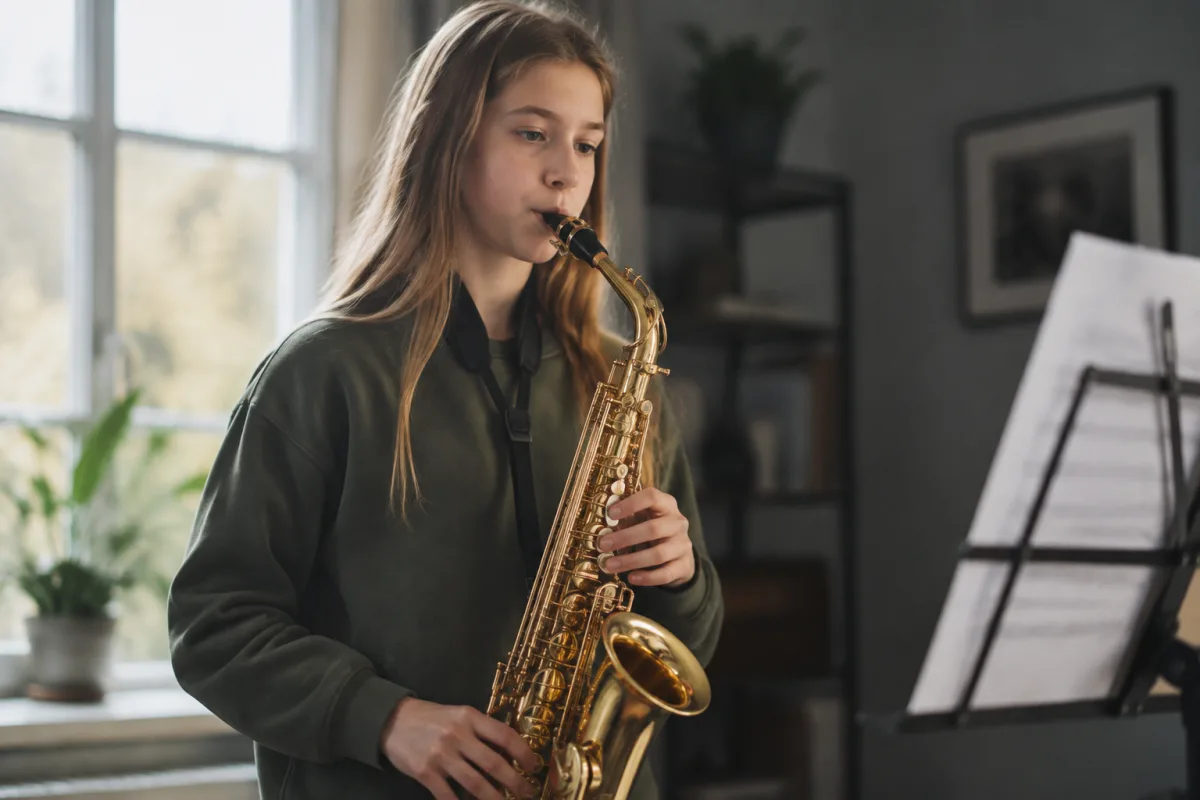
Choosing a good starter saxophone is one of the most important decisions a young musician makes, directly affecting motivation, progress and long-term enjoyment of the instrument. The right instrument encourages consistent practice and reward, whilst a poor-quality saxophone frustrates beginners and can end musical journeys before they truly begin. This guide explores what makes a good starter saxophone, key features to evaluate and recommendations for building your first collection.
What Makes a Good Starter Saxophone?
A good starter saxophone combines playability, durability, in-tune intonation and affordable pricing. The instrument must respond predictably to beginner effort, allowing students to hear the direct connection between their embouchure, breath control and sound production. Quality construction prevents mechanical failures and annoying leaks that derail practice and confidence. Good starter saxophones don't need to be expensive—they need to be dependable and musically rewarding at an entry price point.
Types and Configurations
Alto Saxophone
The alto sax is the most common choice for beginners. Its smaller size suits younger players, and the range and repertoire for alto are extensive. A good starter saxophone in alto configuration typically costs £200–£600 from reputable manufacturers, with school rental programmes offering even better value. Most teachers recommend alto as the ideal first instrument.
Tenor Saxophone
Larger and deeper-toned than alto, tenor saxophones suit older beginners with larger hands and greater lung capacity. A good starter saxophone in tenor form costs £300–£800 but requires more physical maturity to play comfortably. Many students start on alto and transition to tenor after developing technique and strength.
Soprano and Baritone
Soprano saxophones are rarely recommended for absolute beginners due to intonation challenges and high-pressure embouchure requirements. Baritone saxophones are even less common as starting instruments. A good starter saxophone remains alto or tenor for nearly all learners.
Key Features of a Quality Instrument
Pad Condition
The pads that seal each tone hole must be soft, responsive and air-tight. Factory pads on a good starter saxophone should feel smooth and spring back evenly. Worn or hardened pads cause leaks, dead notes and frustrating intonation problems. Many vintage bargains seem inexpensive until pad replacement costs are factored in.
Regulation and Playability
A good starter saxophone must play in tune across the range and respond evenly from low B-flat to altissimo. The keywork should close silently without side noise. Bouncy or sluggish keys frustrate learners and impede progress. Professional regulation typically costs £150–£300—an important factor when evaluating used instruments.
Intonation
Consistent intonation across the range is essential. A good starter saxophone shouldn't require constant embouchure compensation to stay in tune. Test the low range (B-flat, B, C-sharp) which reveals design quality. Expensive pro models offer refinements, but affordable good starter saxophones from quality manufacturers play acceptably in tune.
New vs. Used Instruments
New Saxophones
Purchasing new offers warranty protection, known service history and guaranteed pad condition. Reputable brands like Yamaha, Selmer and Buffet produce good starter saxophone models that balance affordability with reliability. New instruments from these makers typically cost £300–£600 for alto.
Used and Vintage Instruments
Secondhand saxophones can offer exceptional value if inspected professionally. A good starter saxophone might be a vintage instrument that's been serviced and regulated by a qualified technician. However, purchasing blind from online listings risks expensive repair bills that erase any savings. Always have used saxophones evaluated by a professional before committing.
Top Recommendations for Good Starter Saxophones
Budget Options (£200–£400)
Yamaha YAS-26 and YAS-475 models represent excellent value for serious learners. These instruments feature reliable regulation, in-tune intonation and responsive pads. Many music schools rent these models, testament to their durability and consistency. A good starter saxophone at this price point delivers years of reliable playing.
Mid-Range Options (£400–£700)
Selmer Paris Series II and Buffet Crampon B-12 represent the next tier. These professional-level saxophones offer superior playability, response and tone compared to budget models. A good starter saxophone at this investment level serves players through advanced repertoire and potentially into university study without requiring replacement.
Professional Grade (£800+)
A good starter saxophone need not be professional-grade. However, serious learners committed to long-term study benefit from investing in professional instruments like the Selmer Reference or Yanagisawa. These offer subtlety and refinement supporting advanced technique development.
Mouthpieces and Reeds
The mouthpiece and reed significantly affect how a good starter saxophone sounds and plays. Factory mouthpieces are adequate for learning but not ideal. Upgrading to a quality piece like the Vandoren DM25K or Selmer C80 improves tone and response considerably. Beginner reeds vary tremendously—buy packs from Vandoren or Rico (sizes 1.5–2.0 for beginners) rather than no-name brands.
Rental vs. Purchase
School rental programmes offer excellent value—typically £20–£30 monthly with repair coverage and trade-up options. For uncertain beginners, rental eliminates risk. However, purchasing a good starter saxophone is wiser for committed students, as rental costs accumulate rapidly. After 18 months of rental, you could have purchased an instrument outright.
Maintenance and Care
Your saxophone deserves proper maintenance to keep it functioning optimally. Swab the interior after every session to remove condensation that can damage pads and mechanical components. Clean the keys gently with a soft cloth to remove accumulated grime and moisture. Have the instrument professionally serviced annually if used regularly for consistent, reliable operation. Proper care preserves playability and resale value significantly over time.
Conclusion
A good starter saxophone needn't be expensive, but it must be dependable and musically responsive. Whether renting from a school programme or purchasing new from a reputable manufacturer, prioritise playability and in-tune intonation over cosmetics or brand prestige. The best instrument is one that encourages daily practice and rewards effort with immediate, audible improvement. Your first saxophone is an investment in your musical journey—choose wisely and the rewards will be evident within weeks of committed playing.


Comments