Skip to content

Treble Recorder article

The Ultimate Guide to Treble Recorder

The treble recorder is the standard instrument of professional early music playing. Here is a complete overview of how it works, the types available and what to look for.

The Ultimate Guide to Treble Recorder

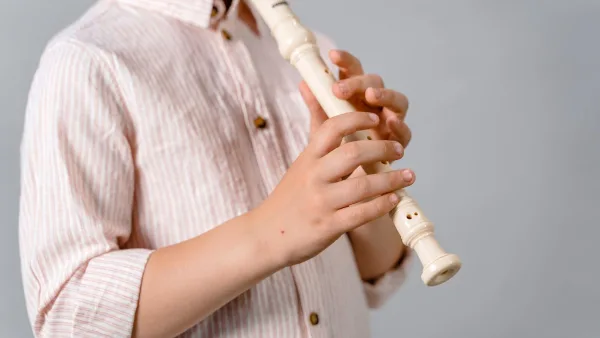
The treble recorder is the standard instrument of professional early music performance and the model most commonly used beyond beginner level. Also known as the alto recorder, it is pitched in F, a fifth higher than the descant, and covers a range of approximately two and a half octaves. Its warmer, more rounded tone and its prominence in the baroque solo and ensemble repertoire make it the natural instrument for players progressing beyond the first recorder they learned on.

How It Differs From the Descant

The most important practical difference is fingering. The treble recorder uses a different hand position from the descant: the left hand goes above the right, and the basic fingering produces an F major scale rather than a C major scale. This means a player moving from descant must relearn the relationship between fingers and notes. The physical size is larger — a treble recorder is roughly thirty-five centimetres long — and the bore is wider, which contributes to its fuller tone. The additional length and bore also affect breath pressure: the treble requires a gentler, more controlled airstream than the smaller descant.

The Two Types of Fingering System

Baroque (also called English) fingering is the standard for almost all professional and serious amateur playing. It uses a cross-fingering system to produce accidentals and is the system assumed by all published early music editions. German fingering simplifies the scale of F major by using the fourth finger for F sharp, making it slightly easier for beginners, but it produces worse intonation on many notes and is not recommended for anyone planning to progress. Buy baroque fingering unless your teacher specifies otherwise.

Materials and What They Mean

Plastic treble recorders are made from ABS or similar materials and are reliable, in-tune and robust. The Yamaha and Aulos lines are the best-known. Wood recorders — made from pearwood, maple, boxwood, grenadilla or rosewood — produce a richer, more complex tone and are the preferred choice for performance and advanced playing. A good treble recorder in wood opens the full range of baroque and Renaissance solo literature. For advice on choosing a model, see our buyer's guide.

Frequently Asked Questions

Is this the same as the alto recorder?

Yes. The terms are used interchangeably. Alto is more common in American usage; treble is the standard British term. Both refer to the F-pitched recorder pitched a fifth above the descant. When buying online or abroad, check that the instrument is described as F-pitched or the dimensions match — the terms vary by country and manufacturer.

Can I use descant fingering when moving to this instrument?

No. The two instruments use completely different fingering systems. The basic F major scale requires a different pattern of fingers from the C major scale you learned on the descant. Most players find the transition takes a few weeks of regular practice, during which time reading music and following the new fingering chart simultaneously feels awkward. This is normal and passes.

What repertoire is written specifically for it?

The baroque solo repertoire is centred on this instrument. Handel, Telemann and Vivaldi all wrote solo sonatas for it. Much of the recorder music published in the eighteenth century assumes this instrument as the default. Renaissance consort music also makes extensive use of it, typically as the top voice. It is also the instrument used in most recorder ensemble settings beyond school level.

How long does a wooden model last?

A well-made and well-maintained wooden instrument can last for decades. Wood requires careful breaking in when new — playing for short periods at first, allowing the instrument to dry between sessions, and applying bore oil periodically. Neglected wood can crack. Plastic models are essentially maintenance-free and last indefinitely under normal conditions.

Is baroque fingering harder to learn than German?

The F sharp and B flat are slightly more complex on baroque fingering, but the overall difference is small. Baroque fingering produces better intonation across the full range and is the only option if you plan to progress, play with others or use published editions. German fingering was designed to simplify the beginner experience but creates problems later. Choose baroque from the start.

About Thomas Walker

Thomas grew up on the folk and roots music of the North East, where the tradition of Northumbrian tunes runs deep, and has been playing and writing about acoustic music for most of his life. He's drawn to instruments with history and craft. He covers folk, acoustic and traditional music.

Comments

Leave a comment

Comments are read before they appear. Links cannot be published.

Your rating (optional)