


USB Recorder Player Buying guide
Usb Recorder Player: A Complete Buyer's Guide
Choosing the right USB recorder player matters profoundly for your recordings. This buying guide cuts through marketing claims and helps you find an instrument matching your needs and budget.
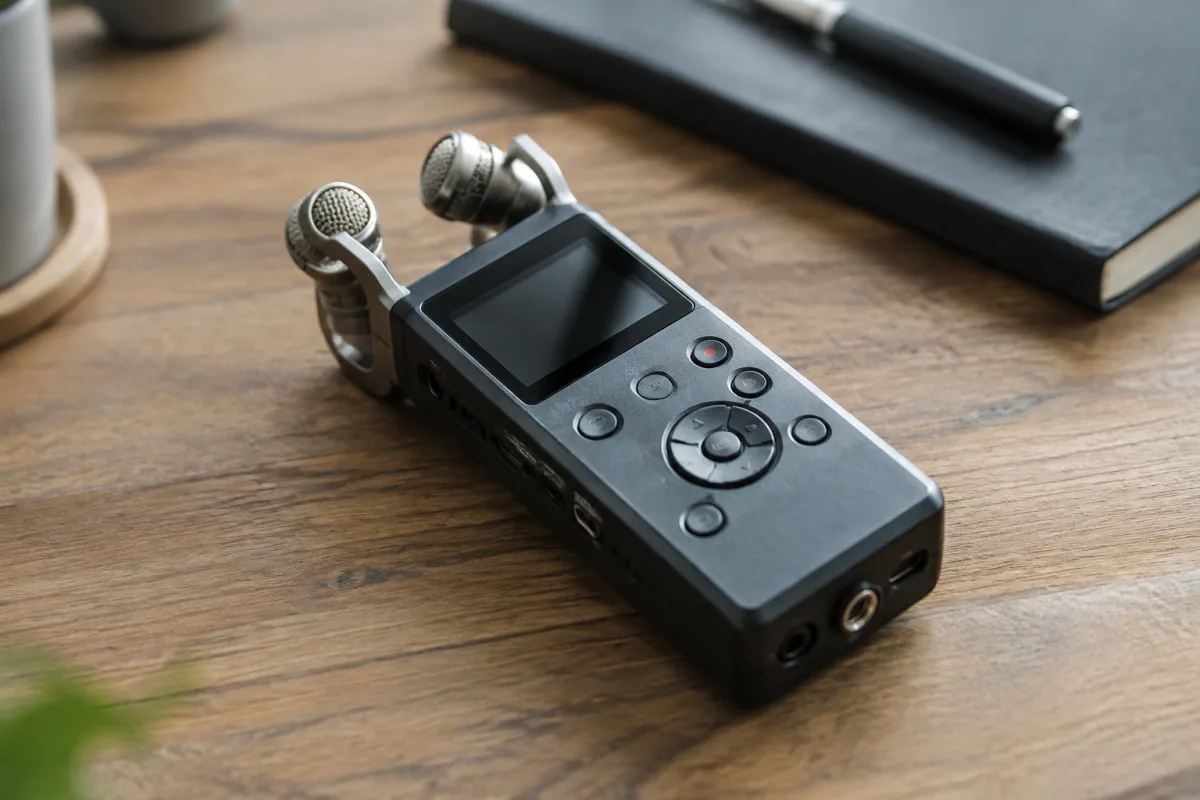
Whether you're recording field interviews, capturing live performances, or documenting audio for projects, choosing the right USB recorder player matters profoundly. A poor choice leaves you with mediocre recordings or cumbersome workflow. A smart purchase gives you professional-quality audio, intuitive operation, and years of reliable service. This buying guide cuts through marketing claims and helps you find the USB recorder that actually matches your needs and budget.
Understanding Recording Quality and Bitrate
The most important specification for any USB recorder player is audio quality, defined by bit depth and sample rate. Here's what matters: bit depth (measured in bits) determines dynamic range and noise floor; sample rate (measured in kilohertz) determines frequency capture. Professional recordings use 24-bit/96kHz; casual recordings work fine at 16-bit/44.1kHz. Your USB recorder player must support at least 24-bit/48kHz for respectable quality that doesn't embarrass you later.
Cheaper models often max out at 16-bit/44.1kHz. This sounds tinny and lacks nuance compared to higher-quality standards. For recording anything important—interviews, performances, music—insist on 24-bit minimum. The small extra cost eliminates regret when reviewing your recordings.
Three Price Tiers: Where Your Money Goes
USB recorder players exist at distinct price levels:
- Budget tier (£60–£150): Basic mono or stereo recorders suitable for quick field notes or casual dictation. Audio quality is adequate but uninspiring. Recording controls are minimal, and battery life is limited. Good for hobbyists on a strict budget; problematic for any professional use.
- Mid-range tier (£150–£350): Quality stereo recorders with 24-bit capability, good microphones, solid build quality, and intuitive controls. Battery life reaches 8-20 hours per charge. This tier suits most musicians, podcasters, and journalists. Recordings sound professional without boutique-level expense.
- Premium tier (£350+): Professional-grade recorders with exceptional microphones, advanced editing features, and studio-quality audio. These are overkill for casual recording but essential for professional studios or specialized applications. Build quality is exceptional; durability is guaranteed.
Microphone Quality: The Foundation of Everything
An expensive USB recorder with poor microphones wastes your money. Microphones do the real work. Before comparing other specs, research microphone quality. Built-in microphones vary wildly—some capture crisp, clear sound; others introduce hiss and noise. Check independent reviews specifically mentioning microphone performance, not just overall device ratings.
Premium USB recorder players feature either larger internal microphone capsules or XLR inputs allowing external professional microphones. If you're recording anything demanding professional audio quality, prioritise models offering external microphone input. This flexibility means you can improve recordings by upgrading microphones without replacing the entire device.
Essential Specifications to Compare
When evaluating specific USB recorder players, examine these elements:
- Format support: Does it save to MP3, WAV, or both? MP3 compresses files (smaller storage, lower quality); WAV preserves full quality but uses more space. Professional recording demands WAV; casual recording accepts MP3. Ideally, choose a device offering both options.
- Battery life: Check battery life on a single charge at maximum usage. Budget recorders manage 4-6 hours; quality mid-range models reach 15-25 hours; premium devices can exceed 30 hours. Longer battery life prevents frustrating mid-session power loss.
- Storage capacity: Internal storage ranges from 4GB to 32GB. Larger capacity means fewer trips to offload files. At 24-bit/48kHz WAV, 16GB stores roughly 12 hours of stereo audio. Consider your typical recording session length before choosing.
- XLR input availability: External microphone inputs dramatically improve recording flexibility. If budget allows, prioritise models with 3.5mm line input or full XLR connections. This future-proofs your investment.
- Build durability: Professional use demands robust construction. Check materials—metal bodies outlast plastic by years. Metal USB covers protect connectors. Robust construction costs more but prevents premature failure.
- Software and workflow: How easily do you transfer files to your computer? Some recorders offer USB file transfer; others require memory card readers. Simpler transfer workflow saves time on every project.
Common Buying Mistakes to Avoid
Learning from others' errors accelerates your decision:
- Prioritising low price over audio quality: Budget recorders often disappoint within months. The money saved vanishes when you hate your recordings and buy a better device. Invest moderately upfront; you'll keep it for years.
- Ignoring microphone quality: A great USB recorder player with poor microphones produces mediocre recordings. No amount of editing fixes bad source audio. Research microphone performance before deciding.
- Overlooking battery life: A recorder dying mid-session is infuriating. Check realistic battery life in professional reviews, not manufacturer claims. Longer battery life is worth extra cost.
- Assuming all USB recorders are equally user-friendly: Menu complexity varies dramatically. Some devices offer logical, intuitive controls; others bury essential functions in deep menus. Hands-on testing or watching demo videos reveals true usability.
- Not checking XLR input compatibility: If you ever want to upgrade your microphone setup, XLR connectivity future-proofs your investment. Buying a recorder without this option locks you into built-in microphone limitations.
- Buying the smallest or most portable option without testing comfort: Ultra-compact recorders tempt with portability but can be fiddly to operate in real situations. Consider actual use before prioritising size over usability.
New vs. Used: Cost-Benefit Analysis
New USB recorder players come with warranties and guaranteed performance. Used models offer savings but risk unknown history. If buying used, prioritise devices from professional sources (established music retailers, known reviewers downsizing) over private sales. Avoid units with visible wear, battery deterioration, or mechanical issues. Factor warranty cost into your decision—a three-year accidental damage warranty on a mid-range recorder costs £20–£40 but protects against costly repair bills.
Testing Before Committing
Try before buying whenever possible. Record a test sample through your chosen USB recorder player, then listen through headphones and your normal speakers. Check whether audio clarity matches professional expectations. Test battery life by recording continuously until shutdown; don't trust manufacturer estimates. Verify that file transfer workflow matches your needs. A five-minute test session reveals more than specifications alone.
For a comprehensive overview of USB recorder players and how to integrate them into your broader recording setup, see our complete guide to USB recorder players, which explores advanced recording techniques and professional applications you might not have considered.
Your Selection Strategy
Start by determining your actual recording needs and realistic budget. Prioritise microphone quality and audio format support above all else. Test your shortlist if possible, focusing on real-world usability rather than spec sheets. Choose a device with solid battery life and reasonable storage capacity for your typical sessions. Once purchased, learn its controls thoroughly—mastering your recorder's features matters more than owning the most expensive model. You'll record confidently knowing you've chosen an instrument matching your genuine needs.


Comments