


Tape Recorder 4 Track Buying guide
Tape Recorder 4 Track: A Complete Buyer's Guide
Buying the right 4-track tape recorder requires understanding tape speed, deck condition, and realistic maintenance expectations. This guide walks you through purchasing decisions and finding a machine that delivers genuine value.
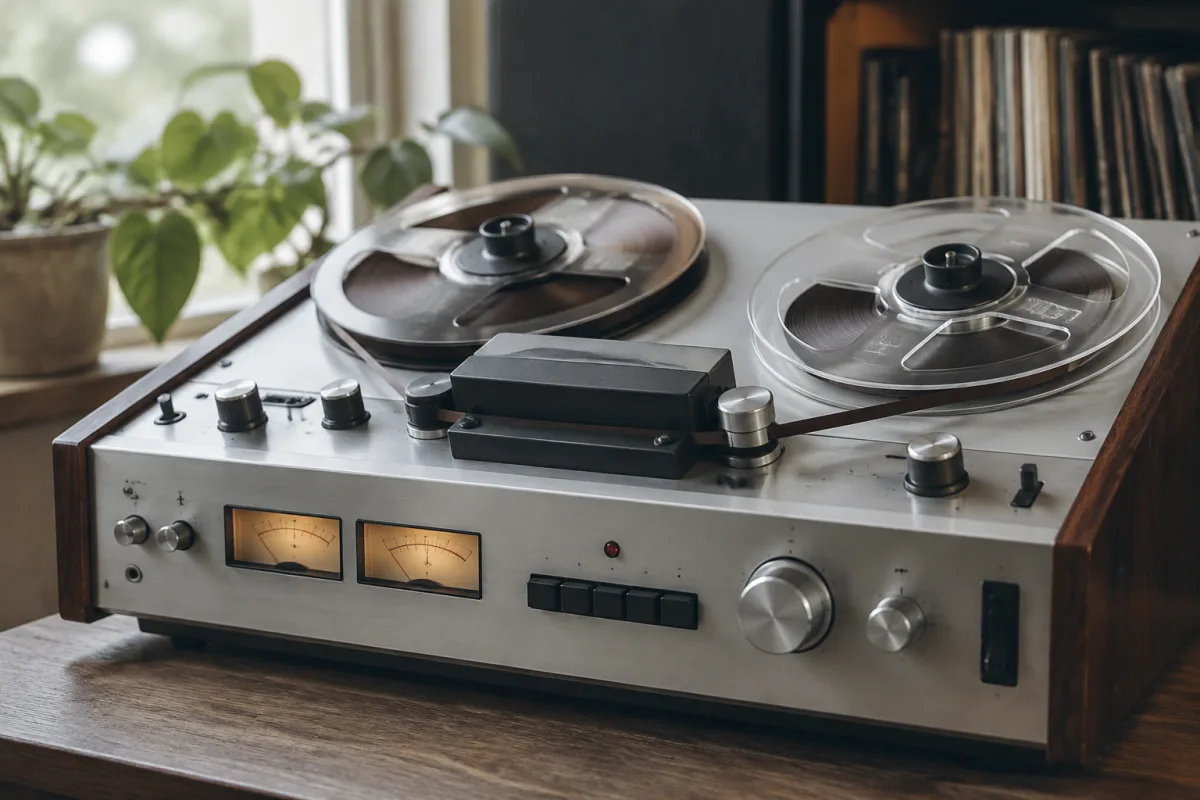
Four-track tape recorders represent a unique intersection of vintage charm and genuine functionality. Whether you're drawn to the workflow, the sonic character, or simply want an alternative to digital recording, buying the right 4-track tape recorder requires understanding tape speed, deck condition, and realistic maintenance expectations. This guide walks you through the purchasing process, helping you find an instrument that delivers the experience you actually want rather than a disappointing compromise.
Understanding Tape Speed and Recording Quality
Four-track tape recorders use different tape speeds, measured in inches per second (IPS): common speeds are 1.875 IPS, 3.75 IPS, and 7.5 IPS. Faster speeds capture more detail and produce superior frequency response. A 7.5 IPS recorder captures noticeably cleaner audio than a 1.875 IPS model. However, faster speeds consume tape more quickly, increasing running costs.
For home recording, 3.75 IPS represents a reasonable balance—acceptable audio quality without excessive tape consumption. Professional studios preferred 7.5 IPS machines; these demand premium pricing but reward with superior recordings. Choose based on your audio quality priorities and tape budget. Slower speeds are budget-friendly but risk unsatisfying recording quality.
Deck Condition: The Most Critical Factor
Tape recorders are mechanical instruments requiring precision tape transport. A worn-out deck wastes your investment. When evaluating used models, check for these critical conditions:
- Tape speed stability: Ask the seller if they've measured wow and flutter (speed inconsistencies). Acceptable ranges are under 0.15% WOW and 0.1% flutter. Excessive numbers mean recordings will sound warbled—a dealbreaker.
- Capstan cleanliness: The capstan (the steel shaft driving tape speed) should be clean and smooth. Dirt causes speed problems. Clean captions can be cleaned; damaged ones require expensive replacement.
- Pinch roller condition: This rubber roller presses tape against the capstan. Over time, it hardens and loses grip, causing speed issues. Replacement costs £20–£40 but indicates deferred maintenance.
- Head condition: Record/playback heads should be clean with no visible corrosion or gaps. Corroded heads degrade sound quality; replacement heads are available but expensive.
- Mechanical movement: Press the play and record buttons; the mechanism should engage smoothly without grinding or resistance. Mechanical binding indicates future problems.
Three Price Tiers: Understanding Market Reality
Four-track tape recorders exist at distinct price levels reflecting condition and desirability:
- Budget tier (£100–£300): Used machines in fair working condition, often requiring maintenance. Expect to invest in head cleaning, pinch roller replacement, or capstan servicing. Good for experimenters willing to perform basic maintenance; risky for perfectionists.
- Mid-range tier (£300–£700): Recently serviced machines with verified tape speed accuracy and clean heads. These decks are ready to use immediately without maintenance. Most serious hobbyists buy here, balancing cost against reliability.
- Premium tier (£700+): Professional-grade machines with exceptional condition documentation, premium features, or rare sought-after models. Prices reflect collectibility and guaranteed reliability. Reserved for serious enthusiasts or professional studios.
Tape Format and Compatibility Matters
Four-track recorders use quarter-inch or half-inch tape depending on model. This determines tape cost—quarter-inch is more common and slightly cheaper. Some machines accept various tape speeds; others are locked to specific formats. Before purchasing, verify that your intended tape format is readily available and affordable.
Tape costs vary: quality recording tape ranges from £8–£20 per reel depending on format and brand. Calculate your realistic tape consumption over a month of use, then budget accordingly. Expensive recorders become prohibitively costly if tape is rare or expensive.
Essential Features to Compare
When evaluating specific 4-track recorders, examine these specifications:
- Number of inputs: Can you record from one microphone only, or multiple sources simultaneously? More inputs mean simultaneous multitrack recording; fewer inputs require recording one track at a time.
- Built-in mixer: Does the machine include mixing capabilities, or do you need external gear? Integrated mixers simplify workflow; machines without them require external mixing solutions.
- Tone control: Does the machine offer EQ on channels during recording or playback? Limited tone control restricts creative possibilities.
- Output options: Can outputs connect to your speakers or mixing console easily? Poor connectivity forces additional gear purchases.
- Build quality and materials: Metal chassis indicates sturdier construction than plastic. Professional machines favour solid construction; consumer models cut corners.
- Manufacturer reputation: Some brands (Tascam, TEAC, Fostex) dominate the market; others are obscure. Established brands have better parts availability and online communities. Obscure brands risk support and parts scarcity.
Common Buying Mistakes to Avoid
Learning from others prevents costly disappointments:
- Buying without testing tape speed: A cheap machine with bad speed stability ruins recordings beyond repair. Before committing, ask for speed measurements or test the machine yourself. This single factor determines usability more than any other.
- Ignoring maintenance history: Machines that haven't been serviced in years likely need immediate attention. Budget £100–£300 for professional servicing on neglected machines. Factor this into your purchase price calculations.
- Assuming all four-track recorders are user-friendly: Interface and workflow vary dramatically between models. Some offer intuitive button layouts; others bury functions in confusing menus. Hands-on testing reveals true usability.
- Overlooking tape cost realities: Budget machines seem cheap until you calculate recurring tape expenses. A £150 recorder becomes expensive if tape costs exceed £100 monthly. Calculate total ownership costs, not just purchase price.
- Expecting digital-quality results from analog tape: Tape recording sounds wonderful but different from digital—slightly warmer, more textured, sometimes less pristine. If your goal is high-fidelity transparency, digital recording is better. Tape recording rewards embracing its character.
- Not asking about parts availability: Obscure machines might lack replacement heads, capstans, or pinch rollers. Before buying, verify parts are available. Buying a machine you can't maintain is a trap.
New vs. Used Considerations
New four-track recorders are increasingly rare; most machines date from the 1970s–2000s. Used machines dominate the market. Reputable sellers (vintage music retailers, online dealers with strong ratings) offer tested machines with limited warranty; private sellers offer bargains but no recourse.
Specialist vintage tape recorder retailers offer expertise and tested machines; they cost more but guarantee functionality. Online marketplaces (eBay, Reverb.com) offer broader selection but require careful inspection. Request detailed photos of the deck interior, transport mechanisms, and any visible wear before committing.
Testing Before Purchase
When possible, test the machine directly. Feed it test tape, listen to playback through your speakers, and assess whether the sound characteristics appeal to you. Check that all buttons engage smoothly and indicators light properly. Listen for mechanical noise—grinding or squealing suggests problems. A one-minute test session reveals more than specifications.
If testing isn't possible, insist on a detailed condition report mentioning tape speed accuracy, head condition, and maintenance history. Legitimate sellers provide this happily; evasive sellers are warning signs.
For comprehensive guidance on four-track tape recorders and their role in modern recording workflows, see our complete guide to tape recorder 4-track, which covers recording techniques, tape care, and integrating tape machines into contemporary production setups.
Your Purchase Strategy
Start by defining what attracts you to tape recording—the sound character, the workflow, the constraint-driven creativity, or pure nostalgia. This clarity helps evaluate machines realistically. Prioritise tape speed accuracy above all—a slow machine ruins everything else. Research your specific model's reputation before committing. Budget generously for maintenance and tape. Buy from sources offering some recourse if problems emerge. With patience and care, you'll find a four-track machine that delivers years of satisfying recording experiences and unique sonic character digital recording can't replicate.


Comments