
Recorder Players for Sale article
The Complete Guide to Recorder Players For Sale
Finding the right recorder players for sale requires understanding materials, quality markers and your skill level. This guide helps you navigate options and make an informed purchase.
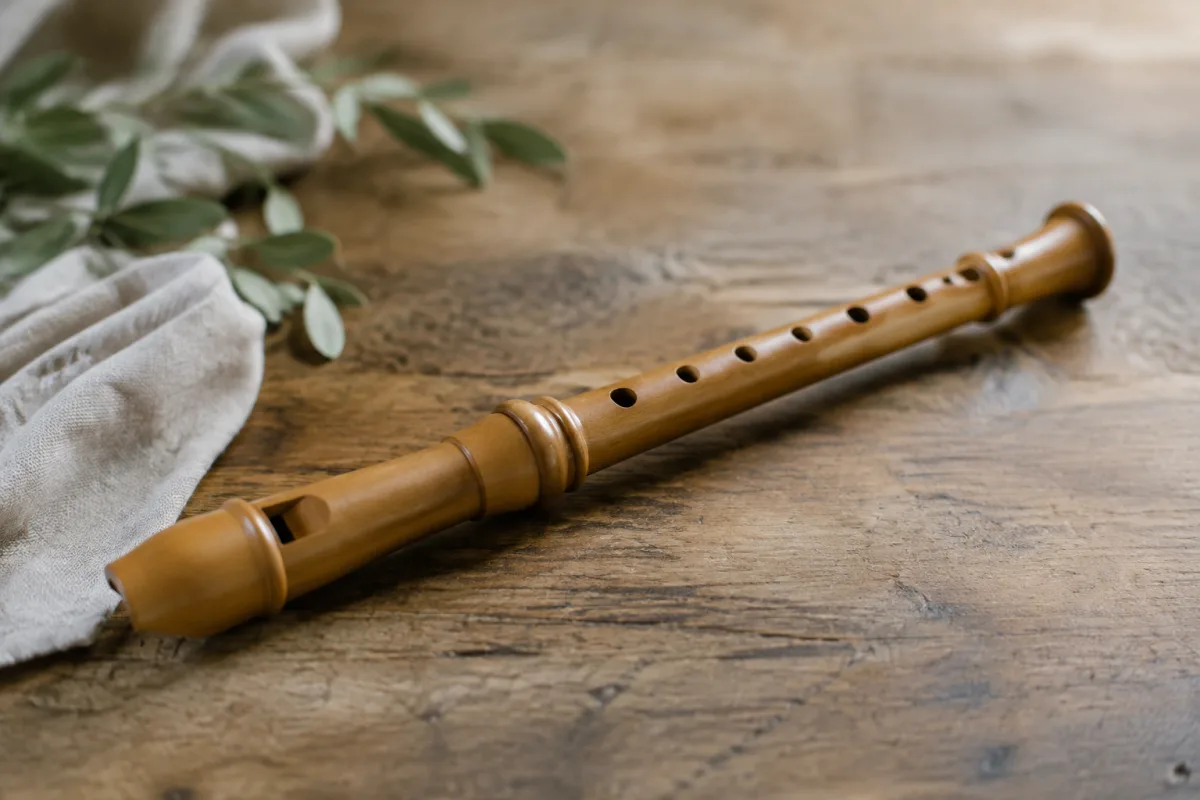
Finding the right recorder players for sale can be overwhelming, whether you're a beginner seeking your first instrument or an experienced musician looking for a premium upgrade. Recorders range from simple educational models to finely crafted professional instruments, each with distinct characteristics and price points. This guide helps you navigate the options and make an informed choice when shopping for recorder players.
Understanding Recorder Players for Sale
The term "recorder players for sale" refers to the instruments themselves—the wooden or plastic recorders played in orchestras, folk ensembles and music classrooms. When selecting recorder players, quality matters significantly. A well-made instrument responds better to technique, stays in tune more reliably and produces a richer tone than budget alternatives.
Before purchasing recorder players, consider your skill level and intended use. Beginner recorder players differ fundamentally from professional models in materials, engineering and price. Educational plastic recorder players cost just a few pounds, whilst professional wooden instruments can exceed hundreds of pounds.
Materials Used in Recorder Players
Recorder players come in two primary material categories. Plastic recorder players, typically made from ABS resin or similar polymers, dominate the budget segment. These instruments suit school programmes and beginners because they're durable, affordable and easy to clean. Professional recorder players are almost always crafted from wood.
Wooden recorder players employ various timber species. English maple offers good response and moderate cost. German maple provides superior tonal qualities and response at premium prices. Olive wood produces a distinctly warm, mellow tone appreciated by professionals. The type of wood in your recorder players directly affects timbre, response and longevity.
Types of Recorders and Their Purposes
Soprano recorder players, the most common size, suit children and beginners. Alto recorder players produce a deeper, richer sound preferred by ensemble musicians and advanced players. Tenor and bass recorder players are specialist instruments for orchestral work. When shopping for recorder players, soprano models remain the best choice for most learners, whilst professionals often maintain multiple recorder players at different pitches.
Wooden soprano recorder players typically cost between £30 and £200 depending on quality. Professional alto recorder players range from £150 to £500 or more. Tenor and bass recorder players command higher prices due to their size and specialised construction. Your choice depends on budget and musical ambitions.
Key Features to Evaluate in Recorder Players
Examining specific characteristics helps identify quality recorder players. The bore—the internal diameter—affects tone and response. Wider bore recorder players deliver fuller sound but require better breath control. Narrow bore instruments suit younger players and those developing embouchure.
Windway design influences ease of playing. Properly engineered windway in recorder players ensures consistent tone across registers and minimises squeaking. The finger holes must be precisely placed; misaligned holes make recorder players difficult to play in tune. Experienced musicians can immediately sense quality through playability.
Tone holes, the small holes on the body of recorder players, should feel smooth and comfortable. The overall weight and balance affect how easily you can play recorder players for extended periods. Premium recorder players distribute weight evenly, reducing hand fatigue during long practice sessions.
Buying Recorder Players: New vs. Second-Hand
New recorder players offer warranties and guaranteed condition but represent the largest investment. Established retailers provide reliable guidance when selecting new recorder players. Reputable brands like Yamaha, Aulos and Moeck manufacture quality recorder players across multiple price ranges.
Second-hand recorder players can offer exceptional value, particularly professional instruments. However, buying used recorder players requires careful inspection for cracks, warping and internal damage. Wooden recorder players are sensitive to humidity and temperature changes; poorly stored instruments develop problems affecting playability. Always test used recorder players thoroughly before purchasing, and buy from trustworthy sources with return policies.
Price Ranges for Recorder Players
Budget recorder players (£5–£25) serve school programmes and casual learners. Entry-level wooden recorder players (£25–£80) provide good quality for serious hobbyists. Semi-professional recorder players (£80–£250) suit experienced amateurs and music students. Professional recorder players (£250+) are made by master craftsmen using premium materials and construction techniques.
When evaluating value, consider longevity. Cheap plastic recorder players may need replacement within years, whilst well-maintained wooden recorder players last decades. Investing in quality recorder players saves money long-term if you're committed to developing musical skills.
Maintenance and Care for Recorder Players
Proper maintenance extends the life of your recorder players significantly. Wooden recorder players require protection from extreme temperature and humidity changes. After playing, always clean recorder players with the supplied cloth, removing moisture from the bore and exterior.
Store recorder players horizontally in a case to prevent warping. Never leave recorder players in direct sunlight or near heating sources. Periodically oil wooden recorder players with specially formulated wood oil—never use ordinary cooking oil. These practices keep your recorder players responsive and prevent cracking.
Where to Purchase Recorder Players
Music shops specialising in wind instruments provide expert advice when buying recorder players. Staff can recommend models matching your skill level and often allow testing before purchase. Online retailers offer competitive pricing on recorder players, though you lose the ability to try before buying. Check return policies carefully when purchasing recorder players online.
Auction sites and marketplaces connect you with individual sellers of used recorder players. This offers value but requires knowledge to spot problems. Educational suppliers often discount bulk orders of recorder players for schools and institutions.
Conclusion
Selecting quality recorder players represents an investment in your musical journey. Whether you need budget-friendly plastic recorder players for classroom use or professional wooden instruments for serious performance, understanding the factors that determine quality matters enormously. Take time comparing options, test instruments before purchasing when possible, and invest in maintenance. Quality recorder players will reward you with years of reliable, enjoyable playing.


Comments